Gum disease is a bacterial infection of the gums and the bone that support your teeth, and it usually starts with plaque, the sticky film of bacteria that builds up along the gumline. When that infection is left alone, it can quietly damage the structures that hold teeth in place. Patients in Reading, PA have more than one path to care, from general dental offices that handle early gum inflammation to a dedicated periodontal practice for advanced disease.
This guide walks through what periodontal disease is, the treatments used to control it, and how to think about where to get help in the Reading area.
What Periodontal Disease Is and Why It Matters
Periodontal disease is an infection of the tissues that surround and support the teeth. It begins with plaque, and it develops most often when oral hygiene habits leave that plaque in place long enough for the gums to become inflamed. Gum disease is largely preventable, but once it takes hold, treatment from a dental professional is needed to bring it under control.
The stakes are higher than sore gums. If gum disease is left untreated, it can lead to serious dental problems, including tooth loss and jawbone deterioration. That is why dentists and periodontists treat gum disease as a condition that affects overall oral health rather than an isolated cosmetic concern.
There is also good news in the timeline. Treatments for gum disease are widely available, and the sooner the disease is detected, the easier it is to treat.
Signs That Gum Disease May Be Present
Early periodontal disease does not always announce itself with pain. Many people notice something small first, such as gums that bleed when they brush or floss, gums that look red or puffy instead of firm and pink, or tenderness along the gumline that comes and goes. Others notice that their gums seem to be pulling away from their teeth, making teeth look longer than they used to.
Because the early stages can be easy to ignore, regular dental visits matter. A dentist or periodontist can measure and evaluate the gum tissue and bone in ways that are difficult to judge at home in a bathroom mirror. If you have noticed bleeding, swelling, or receding gums, an evaluation is the reasonable next step.
How Periodontal Disease Treatment Works
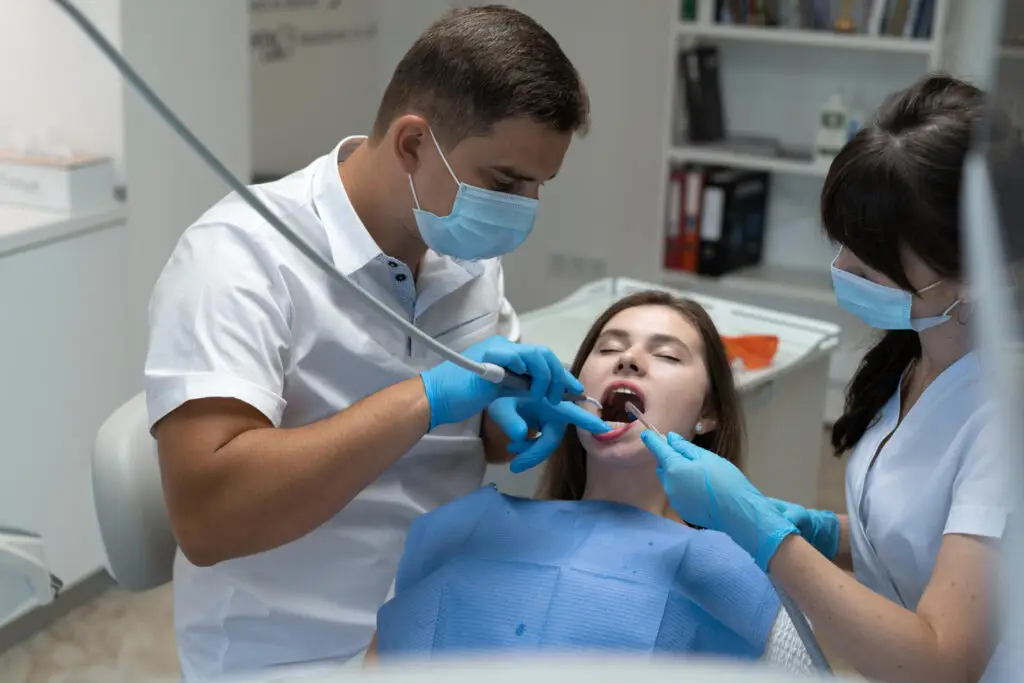
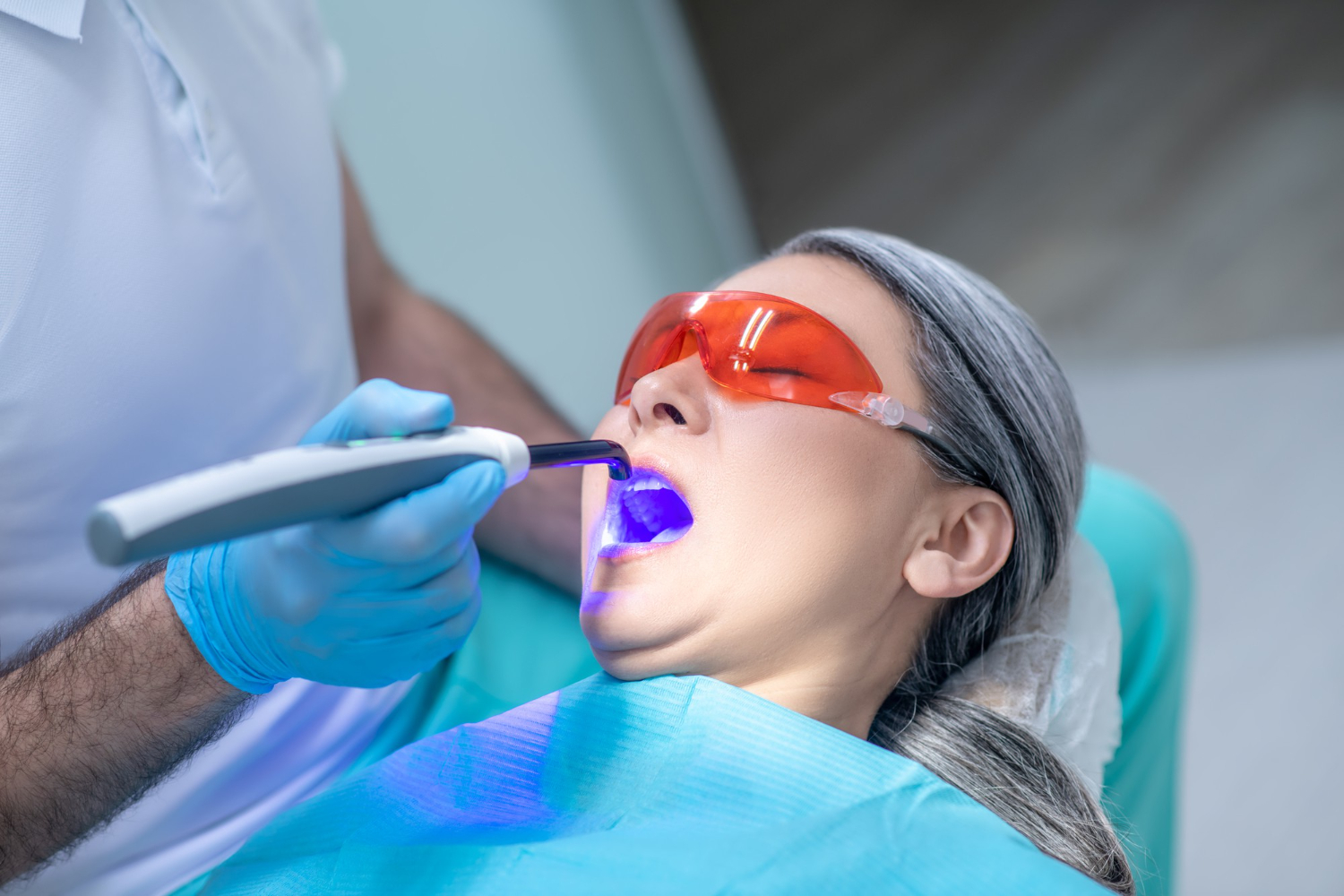
Treatment is matched to how far the disease has progressed. In milder cases, care may focus on removing the bacterial deposits that keep the gums inflamed. In more advanced cases, treatment may involve surgical techniques or procedures designed to repair damage that has already occurred. The sections below cover the main categories of care.
Scaling and Root Planing
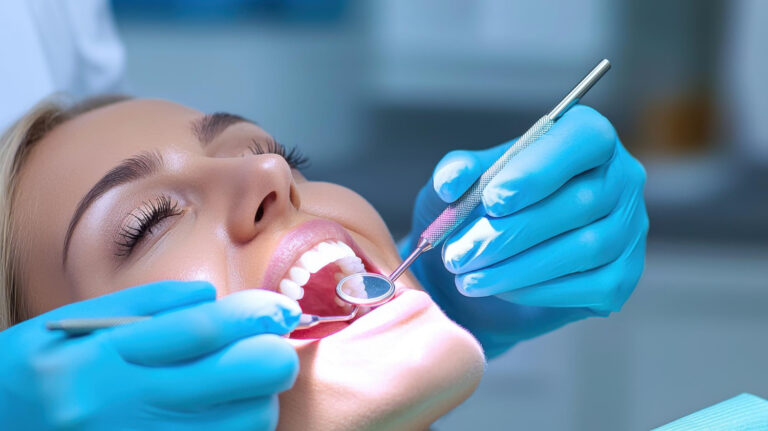
Scaling and root planing is the cleaning of infected root surfaces. It is a common starting point for periodontal therapy, and it addresses the bacterial buildup that sits below the gumline where a routine cleaning cannot reach. Depending on the extent of the disease, treatment may be completed in a single visit or divided across several appointments so that different areas of the mouth can be treated thoroughly.
Regenerative Procedures
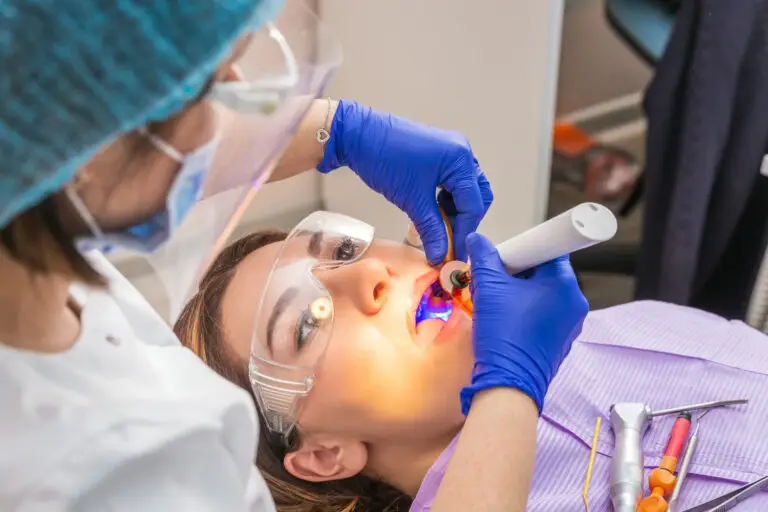
Regenerative procedures aim at the reversal of bone loss and tissue loss caused by periodontal disease. These treatments are typically considered when the infection has damaged the support structure around the teeth rather than only the surface of the gums. The goal is to help the body rebuild some of what was lost, which can improve the long term stability of the affected teeth.
Periodontal Surgery
Periodontal surgery is the treatment of extreme levels of periodontal disease. It can involve multiple techniques to remove infection and access areas that are difficult to reach with non surgical care alone. Surgery is generally reserved for cases where other approaches have not resolved the problem or where the pattern of disease makes a surgical approach the most practical option.
Sedation and Comfort Options
Some periodontal practices offer mild to moderate sedation options for patients who are anxious about treatment or who are facing a longer procedure. If comfort during care is a concern for you, ask about it before your appointment so the clinical team can plan around your needs.
Comparing the Main Treatment Categories
| Treatment | What it addresses |
|---|---|
| Scaling and root planing | Cleaning of infected root surfaces below the gumline |
| Regenerative procedures | Reversal of bone loss and tissue loss around the teeth |
| Periodontal surgery | Extreme levels of periodontal disease, often using multiple techniques |
These categories are not a menu to choose from on your own. Which one fits depends on how much infection, bone loss, and tissue loss are present, and that is determined during an examination.
Where to Find Periodontal Care in Reading, PA
Reading and the surrounding Berks County area have access to specialized periodontal care for patients dealing with gum disease, gum recession, and other periodontal concerns. A periodontist can evaluate gum health and recommend appropriate treatment based on the condition and individual needs.
Keystone Periodontal Group is a periodontal practice in Reading, located at 27 Village Center Drive, Reading, PA 19607. The practice provides specialized care for gum disease, dental implants, gum grafting, bone grafting, and other periodontal procedures. Patients looking for specialized gum care can learn more about periodontal treatment options available through the practice.
Preventing Gum Disease From Returning
Treatment does not end when the appointment does. Good oral hygiene, a balanced diet, and regular dental visits can help reduce your risk of developing periodontal disease in the first place, and they play the same role in keeping it from coming back after treatment.
- Brush thoroughly to remove plaque along the gumline, where the infection starts.
- Clean between the teeth, since the spaces between teeth are common sites for plaque buildup.
- Keep dental visits on schedule so changes in the gums are caught early.
- Follow the maintenance interval your clinician recommends after active treatment.
Patients who have had periodontal treatment often need more frequent professional maintenance than someone with healthy gums. Skipping those visits is one of the most common reasons gum disease returns.
What to Ask Before You Start Treatment
A short list of questions can make a consultation far more useful. Ask what stage your gum disease is at, which treatments are being recommended and why, and what the expected outcome is. Ask whether the work will be done in house or with a referral, and what maintenance will look like afterward. Ask about comfort options if you are nervous. Finally, ask for a clear explanation of what your insurance covers and what you would pay, since coverage varies by plan and procedure. Any office should be willing to walk through those answers before you commit to treatment.
Frequently Asked Questions
How much does periodontal disease treatment in Reading, PA cost?
Costs vary widely depending on the procedure, how many areas of the mouth need treatment, and whether surgery or regenerative work is involved. Because pricing is set by each individual practice, there is no single number that applies to all of Reading. Ask the office for a written treatment plan with itemized costs, and confirm what your dental insurance plan will cover before scheduling.
Can I go straight to a periodontist, or do I need a referral?
Many patients contact a periodontal office directly, and many others arrive after a referral from their general dentist. Policies differ between practices and between insurance plans, so the simplest approach is to call the office you are considering and ask whether a referral is required for your situation. They can tell you what they need from you before the first visit.
Can periodontal disease be reversed?
The earlier gum disease is caught, the easier it is to treat. Regenerative procedures are designed to reverse bone loss and tissue loss in appropriate cases, and scaling and root planing can bring the infection under control. Advanced disease is typically managed and maintained rather than erased. That is why early detection and consistent follow up care matter so much.
Do home remedies kill periodontal bacteria?
No home remedy substitutes for professional treatment once periodontal disease is established. Good oral hygiene, a balanced diet, and regular dental visits can help reduce your risk of developing the disease, and they support your results after treatment. But the bacterial deposits below the gumline that drive the infection need to be removed by a dental professional using appropriate instruments and techniques.
What happens if gum disease is left untreated?
Untreated gum disease does not resolve on its own. It can progress toward serious dental problems, including tooth loss and jawbone deterioration. The tissue and bone that support your teeth can be damaged in ways that are difficult and sometimes impossible to fully restore. Seeking an evaluation early gives you the widest range of treatment options and the best chance of keeping your natural teeth.
If your gums bleed, look inflamed, or seem to be pulling away from your teeth, an examination is the fastest way to find out what is happening and what it will take to address it. In Reading, that can mean a call to your regular dentist for a first look or a call to a periodontal practice if you already know you need specialist care.