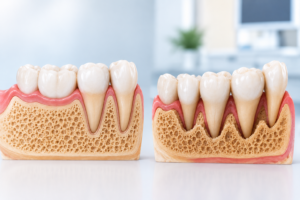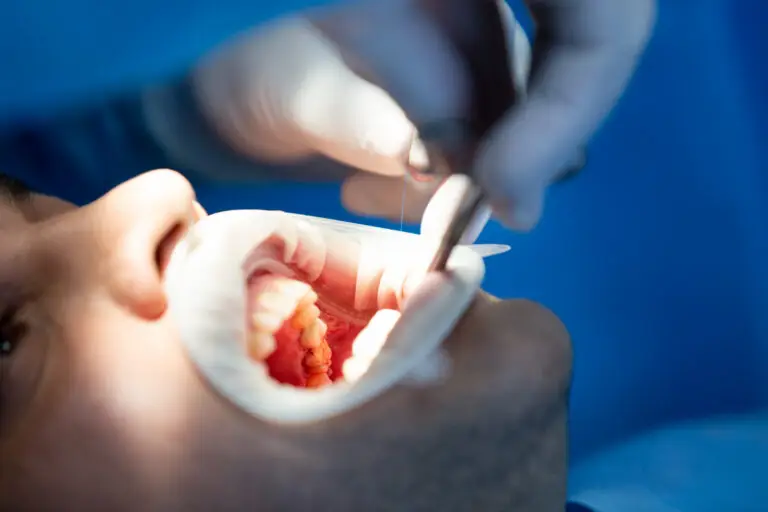

Periodontal disease, commonly known as gum disease, is a significant oral health issue that affects many individuals in Reading, PA. This condition can lead to severe consequences if not addressed promptly.
In this article, we will explore the symptoms of periodontal disease, its stages, treatment options, and prevention tips. Understanding these aspects is important for maintaining good oral health and preventing tooth loss. We will also discuss the early signs of gum disease, including bleeding gums and bad breath, and how they can indicate more serious issues.
By the end of this guide, you will have a comprehensive understanding of periodontal disease and the steps you can take to protect your dental health.
Understanding Periodontal Disease Symptoms in Reading, PA
Periodontal disease is an inflammatory condition affecting the tissues surrounding the teeth, primarily caused by plaque buildup. Recognizing the symptoms early is vital for effective treatment and prevention of further complications.
In Reading, PA, awareness of these symptoms can help residents seek timely dental care. Common symptoms include swollen gums, persistent bad breath, and gum recession. Understanding these signs can lead to early intervention, which is essential for maintaining oral health and preventing tooth loss.
Common Signs and Early Warning Symptoms of Gum Disease

Identifying the signs of gum disease is important for early intervention because it helps prevent progression, protects gum and bone health, and ensures timely treatment for better long-term oral hygiene outcomes.
- Red, Swollen, or Tender Gums: Healthy gums should be pink and firm. Any redness or swelling can indicate inflammation.
- Bleeding Gums: Gums that bleed during brushing or flossing are a significant warning sign of gum disease.
- Persistent Bad Breath: Chronic bad breath, or halitosis, can be a result of bacteria buildup in the mouth.
Recognizing these signs early can lead to prompt treatment and better oral health outcomes.
Stages of Periodontal Disease Progression Explained
Periodontal disease progresses through several stages with different symptoms and severity. Understanding these stages is important for early detection, proper treatment, and effective management to prevent serious gum and bone damage.
- Gingivitis: The earliest stage, characterized by gum inflammation and bleeding. It is often reversible with good oral hygiene.
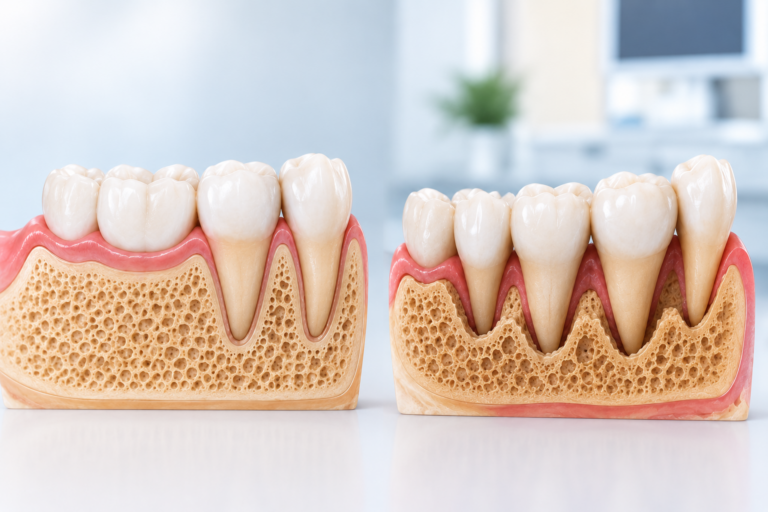
- Mild Periodontitis: At this stage, the inflammation extends deeper into the supporting structures of the teeth, leading to some bone loss.
- Moderate Periodontitis: More significant bone loss occurs, and pockets form between the gums and teeth, making cleaning more difficult.
- Advanced Periodontitis: The most severe stage, where extensive bone loss can lead to tooth mobility and loss.
Recognizing the progression of periodontal disease can help individuals seek appropriate treatment before it becomes severe.
Comprehensive Periodontal Disease Treatment Options in Reading, PA

Treatment for periodontal disease depends on how advanced the condition is and may include deep cleaning, medications, lifestyle improvements, and surgical procedures to reduce infection and restore overall gum health.
- Deep Cleaning: Scaling and root planing are non-surgical procedures that remove plaque and tartar from below the gum line.
- Medications: Antibiotics may be prescribed to help control bacterial infection.
- Surgical Procedures: In advanced cases, surgical interventions may be necessary to restore gum health.
For residents of Reading, PA, it is essential to consult with a dental professional to determine the most appropriate treatment plan Personalized to individual needs.
What Treatment Options Are Available for Gum Disease in Reading PA?
In Reading, PA, various treatment options are available for managing gum disease. Regular dental check-ups are important for early detection and intervention. Treatments may include:
- Gum Grafting: This procedure involves taking tissue from another part of the mouth to cover exposed tooth roots.
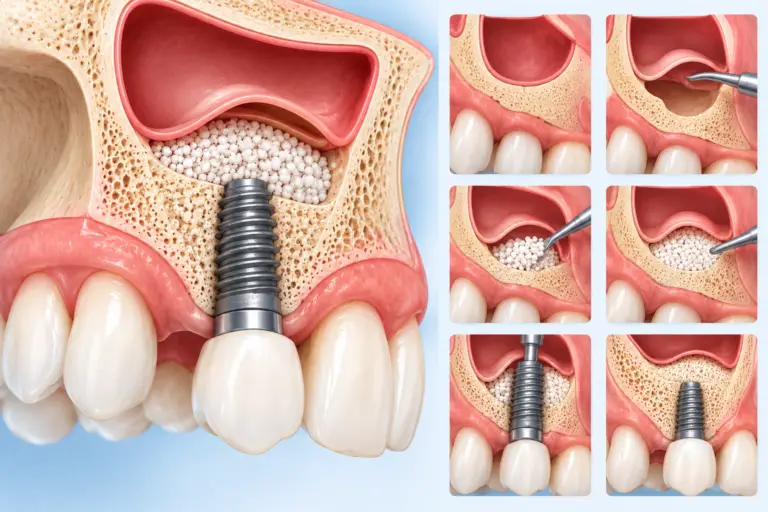
- Bone Grafting: In cases of significant bone loss, bone grafting can help regenerate lost bone and support the teeth.
These treatments aim to restore gum health and prevent further complications.
Effective Tips for Preventing Periodontal Gum Disease
Preventing periodontal disease is possible through consistent oral hygiene practices such as brushing, flossing, maintaining a healthy diet, and visiting the dentist regularly to ensure early detection and long-term gum health.
- Regular Brushing and Flossing: Brush at least twice a day and floss daily to remove plaque and food particles.
- Healthy Diet: A balanced diet rich in vitamins and minerals supports gum health.
- Regular Dental Check-Ups: Routine visits to the dentist can help catch early signs of gum disease and provide professional cleanings.
Implementing these preventive measures can significantly reduce the risk of developing periodontal disease.
What Are the Early Signs and Symptoms of Gum Disease?
Early detection of gum disease is important for effective treatment and long-term oral health. The initial signs often include red, swollen, or bleeding gums, persistent bad breath, gum tenderness, and sensitivity while brushing or eating, indicating early inflammation that needs timely dental care.
- Bleeding Gums: If your gums bleed when brushing or flossing, it may indicate gingivitis.
- Gum Inflammation: Swollen or tender gums are a clear sign of inflammation.
- Bad Breath: Persistent bad breath can be a result of bacteria buildup in the mouth.
Recognizing these symptoms early can lead to timely dental visits and better outcomes.
How to Recognize Bleeding Gums and Gum Inflammation?
Bleeding gums are often the first noticeable sign of gum disease. If you notice blood on your toothbrush or dental floss, it is essential to take action. This symptom indicates that your gums are inflamed and may require professional evaluation. Ignoring this sign can lead to more severe conditions, including periodontitis.
Identifying Gum Recession and Bad Breath as Periodontal Indicators
Gum recession occurs when the gum tissue pulls away from the teeth, exposing the roots. This condition can lead to sensitivity and increased risk of decay. Additionally, persistent bad breath can indicate an underlying infection or gum disease. If you experience these symptoms, it is important to consult a dental professional for evaluation and treatment options.
What Are the Stages and Severity Levels of Periodontitis?
Understanding the stages and severity levels of periodontitis is essential for early detection and effective treatment planning. It usually begins with gingivitis, a mild and reversible stage marked by gum inflammation and bleeding. If untreated, it progresses to mild, moderate, and advanced periodontitis, leading to gum recession, deep pockets, bone loss, persistent infection, tooth mobility, and eventually tooth loss, along with possible overall health complications.
Understanding Mild, Moderate, and Advanced Periodontal Disease
Understanding mild, moderate, and advanced periodontal disease is important for timely treatment and prevention of complications. Mild periodontitis may involve gum inflammation and requires improved oral hygiene and frequent professional cleanings. Moderate stages show deeper infection and bone loss, often needing scaling and root planing. Advanced periodontal disease can lead to severe bone destruction, tooth mobility, and may require surgical treatment. Early awareness helps maintain better oral health outcomes.
How Periodontal Disease Progression Affects Oral Health Outcomes
The progression of periodontal disease can have serious implications for overall oral health. As the disease advances, it can lead to tooth mobility, loss, and even impact systemic health. Maintaining good oral hygiene and seeking regular dental care are vital for preventing these outcomes.
One aspect of maintaining good oral health is understanding how to address gum recession. There are several approaches to consider.
Dental Implants as a Solution for Tooth Loss from Gum Disease
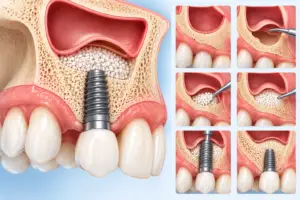
Dental implants are a popular solution for individuals who have lost teeth due to periodontal disease. They provide a permanent replacement option that mimics the function and appearance of natural teeth.
Overview of Dental Implant Placement and Benefits
The dental implant process involves placing a titanium post into the jawbone, which serves as a root for the replacement tooth. This procedure offers several benefits, including improved chewing ability, enhanced aesthetics, and preservation of jawbone structure.
When to Consider Dental Implants After Periodontal Therapy
After undergoing periodontal therapy, individuals may consider dental implants if they have lost teeth. It is essential to wait until the gums have healed and the infection is under control before proceeding with implant placement. Consulting with a dental professional can help determine the appropriate timing and eligibility for this treatment.
Conclusion
Periodontal disease is a progressive but preventable oral health condition that can significantly impact your gums, teeth, and overall well-being if left untreated. Early detection of symptoms like bleeding gums, swelling, and bad breath allows for timely intervention and better treatment outcomes. With proper oral hygiene, regular dental visits, and appropriate professional care, individuals in Reading, PA can effectively manage and prevent gum disease. Staying informed and proactive is key to maintaining a healthy smile and avoiding complications associated with advanced periodontal disease.
For more information on addressing gum recession naturally, it’s important to consult with a specialist.
Frequently Asked Questions
1. What are the first signs of periodontal disease?
Early signs include red or swollen gums, bleeding while brushing or flossing, and persistent bad breath. You may also notice gum tenderness or slight gum recession.
2. Can periodontal disease be reversed?
In its earliest stage (gingivitis), periodontal disease can often be reversed with good oral hygiene and professional dental cleanings. However, advanced stages usually require ongoing treatment to manage the condition.
3. How is periodontal disease treated in Reading, PA?
Treatment options include deep cleaning procedures like scaling and root planing, antibiotics, and in severe cases, surgical treatments such as gum or bone grafting. A dentist will recommend the best approach based on severity.
4. What happens if periodontal disease is left untreated?
If untreated, it can progress to severe gum and bone damage, leading to tooth mobility and eventual tooth loss. It may also impact overall health, including increasing the risk of systemic conditions.
5. How can I prevent gum disease?
You can prevent gum disease by brushing twice daily, flossing daily, maintaining a healthy diet, and visiting your dentist regularly for check-ups and professional cleanings.