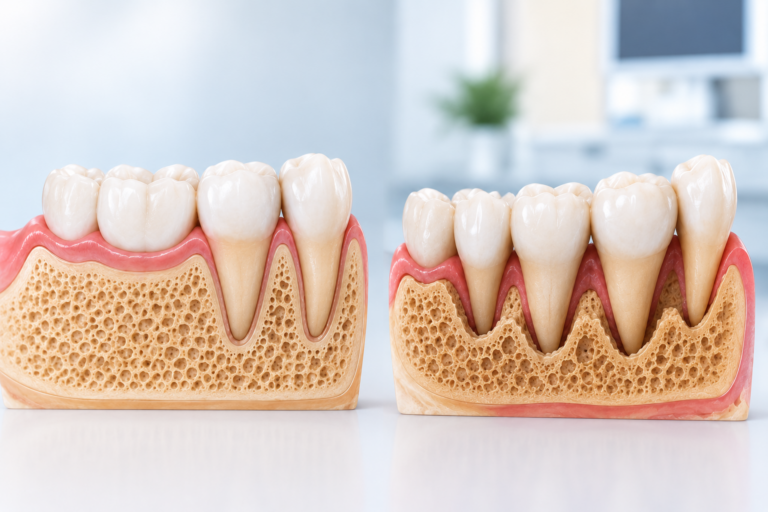
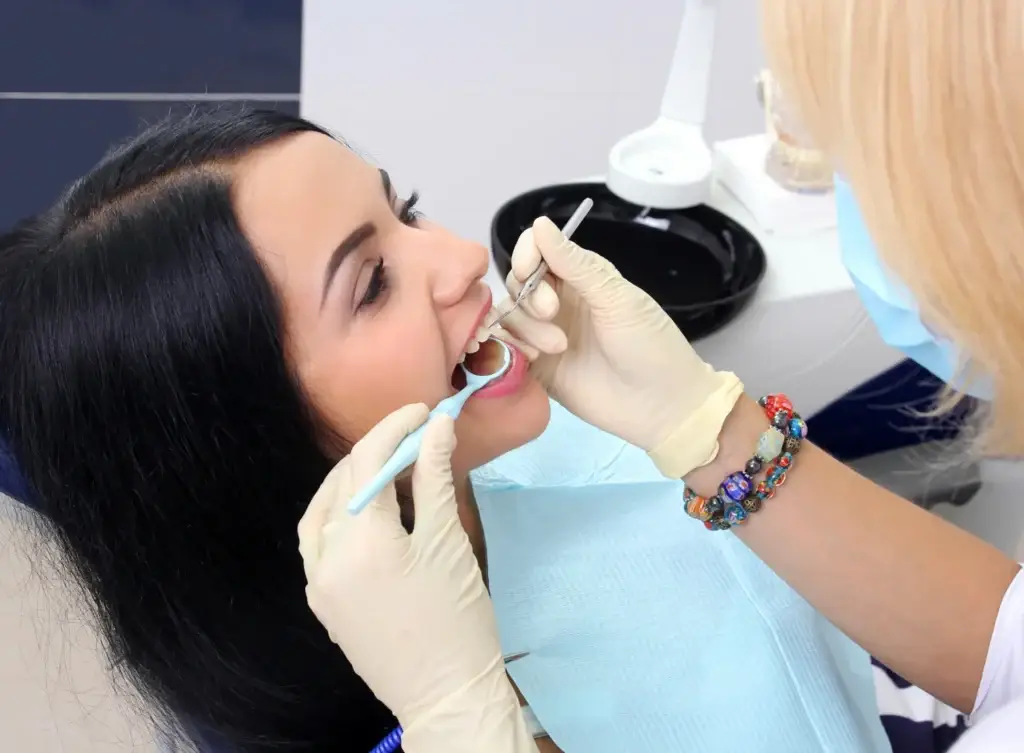
Receding gums can expose tooth roots, increase sensitivity, and make a smile look uneven. For many people in the Reading, PA area, gum grafting is the procedure that restores both the health and the appearance of the gumline. This surgical treatment, also called soft tissue grafting, replaces lost gum tissue and helps protect the teeth from further damage. If you have been told that gum recession is putting your smile at risk, here is what you should know about the procedure, what recovery involves, and the results you can expect.
What Is Gum Grafting?
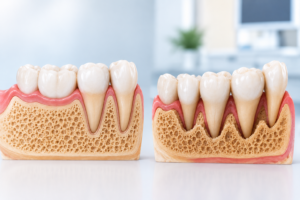
Gum grafting is a periodontal procedure designed to restore the gum line to its optimal position. During the procedure, tissue is taken from another area of the mouth, or from a donor source, and placed over the areas where gums have receded. The goal is to improve both function and aesthetics by rebuilding the protective barrier around the teeth.
The treatment is commonly referred to as soft tissue grafting because it replaces the soft tissue that has worn away. When gum recession is left alone, the roots of the teeth become exposed, which can lead to sensitivity, decay, and even tooth loss. Gum grafting addresses these problems by covering the exposed roots and preventing further recession.
Why Gum Grafting Is Needed
Gum recession happens gradually, and many patients do not notice it until symptoms appear. The research pack identifies several common causes of gum recession that a periodontist will look for during an evaluation:
- Periodontal disease, which is a bacterial infection of the gums and bone that support the teeth
- Trauma to the mouth or gums
- Aging and the natural wear of gum tissue over time
- Over-brushing or brushing with too much force
- Poor tooth positioning, which can put uneven pressure on the gums
When gum disease is present, it can cause serious dental problems if left untreated, including tooth loss and jawbone deterioration. Gum grafting can be part of a broader periodontal treatment plan that restores gum health and preserves the barrier that keeps teeth stable.
Types of Gum Grafting Procedures
Periodontal practices offer different approaches to gum grafting, depending on the amount of recession and the condition of the surrounding tissue. The research pack emphasizes soft tissue grafting as the main option for treating receding gums, but the exact technique a periodontist recommends will depend on your individual situation.
Soft Tissue Grafting
Soft tissue grafting is the most common type of gum graft for patients with recession. It restores the appearance and health of the gums by adding tissue to areas where the root has become exposed. This type of graft helps reduce sensitivity and prevents the recession from getting worse.
When Tissue Is Taken From Your Own Mouth
In many cases, tissue is harvested from the roof of the mouth or from nearby healthy gum tissue. This approach uses your own tissue, which the body often accepts well. The periodontist will determine the best donor site based on the size of the area being treated.
When Donor Tissue Is Used
Some periodontal procedures use donor tissue instead of tissue from your own palate. This can reduce the number of surgical sites and make recovery more comfortable for some patients. Your periodontist in Reading, PA can explain which option is most appropriate for your gums.
What to Expect During the Procedure
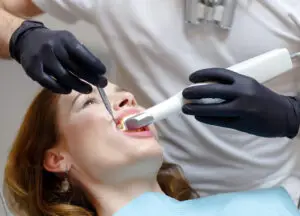
Gum grafting is performed by a periodontist, a specialist in the treatment of the gums and the bone that supports the teeth. Before the procedure, your periodontist will examine your gums, review your medical history, and confirm that gum grafting is the right treatment for your recession.
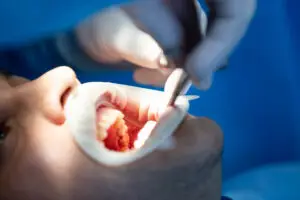
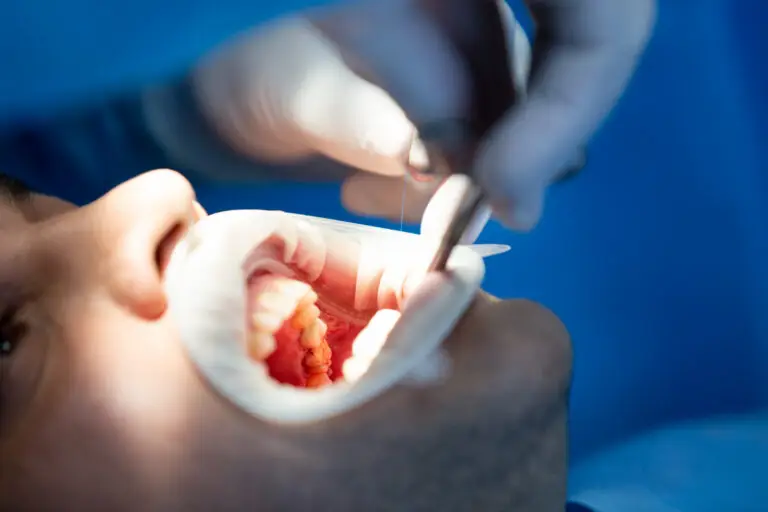
During the procedure, the periodontist places the graft tissue over the receded areas and secures it in place. The gum grafting process is designed to restore the gum line to its optimal position, which means the tissue is carefully positioned to follow the natural contour of the teeth. The goal is a result that looks natural while also providing the protection that exposed roots need.
Because gum grafting is a surgical procedure, your periodontist will take steps to keep you comfortable throughout. Many practices in the Reading area focus on patient-centered care, so you can expect a thorough explanation of the steps before treatment begins.
Recovery and Aftercare
Recovery from gum grafting requires patience and careful attention to your mouth. After the procedure, the grafted area needs time to heal and attach to the existing gum tissue. Your periodontist will provide specific instructions for your recovery, and it is important to follow them closely to protect the graft.
During the early phase of recovery, patients are often advised to eat soft foods, avoid vigorous rinsing, and keep the surgical site clean. The research pack notes that periodontal care is about protecting oral health and overall well-being, which means good oral hygiene is an important part of the healing process. However, you should wait for your periodontist to tell you when it is safe to resume your normal brushing and flossing routine.
Some tenderness and swelling are normal after any surgical procedure. The length of recovery can vary from patient to patient, and your periodontist is the best source of guidance for your specific case. If you have any concerns during healing, contact your Reading, PA periodontal office.
Results and Benefits of Gum Grafting
The primary result of gum grafting is a restored gumline. By covering exposed roots, the procedure reduces tooth sensitivity to hot and cold foods and beverages. It also lowers the risk of further recession, which can protect the long-term stability of your teeth.
Gum grafting also improves the appearance of your smile. When gums have receded unevenly, the teeth can look longer than normal and the smile can appear asymmetric. Restoring the gum line to its optimal position creates a more balanced, natural look.
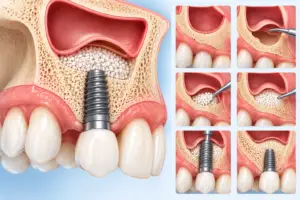
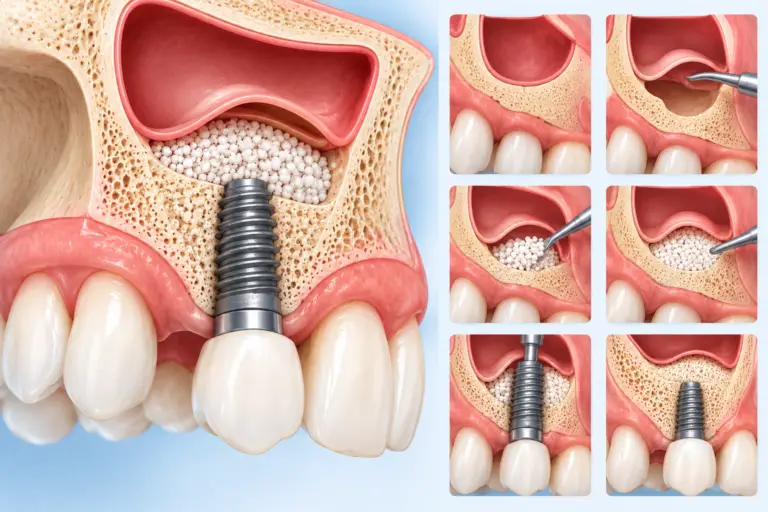
For patients with periodontal disease, gum grafting may be one part of a larger treatment plan. Other procedures, such as bone grafting, can be used to restore lost bone and support dental implants or improve oral health. The research pack highlights that restoring lost bone is important when gum disease has caused damage below the gumline.
Choosing a Periodontist in Reading, PA
Patients in Reading, PA can seek specialized periodontal care for preventing, diagnosing, and treating gum disease and related conditions. When choosing a periodontist for gum grafting, consider the specialist’s experience, treatment approach, and ability to develop care based on your individual oral health needs.
Keystone Periodontal Group provides periodontal treatments for gum recession and other gum-related concerns. The practice focuses on personalized treatment and patient education, helping patients understand their condition and available treatment options. Gum grafting may be recommended when recession has exposed the tooth roots or affected the health and appearance of the gums.
Before choosing a periodontist, patients should ask about the recommended grafting technique, what the procedure involves, expected healing, and the care needed after treatment. Understanding these details can help you feel more prepared and choose a treatment approach that fits your specific needs.
Frequently Asked Questions
Will insurance pay for a gum graft?
Coverage for gum grafting depends on your individual dental insurance plan and the reason for the procedure. Many plans provide coverage for procedures that are considered medically necessary to treat gum disease or prevent tooth loss. You should contact your insurance provider and your periodontist’s office in Reading, PA to find out what your plan covers and what your out-of-pocket costs may be.
When is it too late to do gum grafting?
Gum grafting is most successful when there is enough healthy gum and bone tissue to support the graft. Periodontal disease, if left untreated, can lead to tooth loss and jawbone deterioration, which can limit treatment options. However, every case is different. A periodontist in Reading, PA can evaluate your gums and bone to determine whether gum grafting is still a viable option for you.
Is periodontal gum grafting worth it?
Gum grafting can be worth it for patients who want to stop gum recession, reduce root sensitivity, and protect their teeth from further damage. The procedure restores the gumline to a healthier position and improves the appearance of the smile. Because untreated gum disease can lead to tooth loss, gum grafting may help you avoid more serious dental problems in the future.
How much does gum grafting normally cost?
The cost of gum grafting varies based on the number of teeth being treated, the type of graft used, and the individual practice. The research pack does not include specific pricing, and costs can change over time. To get an accurate estimate, schedule a consultation with a periodontist in Reading, PA and ask for a treatment plan that outlines the expected fees.