
Gum disease treatment gets the infection under control. What happens in the months and years after that decides whether the results hold. A periodontal maintenance visit is the appointment built for patients who have already completed more extensive periodontal therapy, such as scaling and root planing. It is not a fresh start and it is not a routine polish. It is the conservative, ongoing care that keeps a treated mouth stable.
At Keystone Periodontal Group, a female owned private periodontal practice in Reading, PA, maintenance is treated as part of the treatment plan rather than an optional add-on. The team focuses on the health of your gums, roots, and surrounding bone to prevent gum disease from returning and to preserve the stability of your smile.
What Periodontal Maintenance Means After Treatment
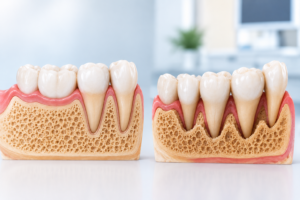
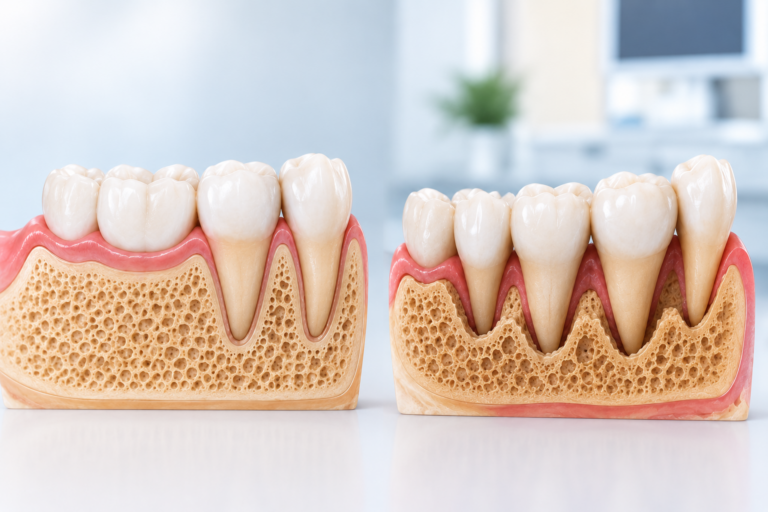
Periodontal disease is a bacterial infection of the gums and the bone that support the teeth, and it is usually brought on by a lack of oral hygiene. Active treatment addresses the infection directly. Scaling and root planing cleans infected root surfaces, regenerative procedures work to reverse bone loss and tissue loss, and surgical treatment handles more advanced cases. Each of those approaches changes the environment around your teeth.
What none of them does is make you immune. A periodontal maintenance visit is designed for patients who have had that more extensive therapy, and it is the most conservative way to keep the disease from rebuilding. Instead of waiting for symptoms to return, maintenance keeps a trained eye on the tissues that were treated and interrupts problems while they are still small.
Who Typically Needs Maintenance Appointments
- Patients who have completed scaling and root planing for gum disease
- Patients who had regenerative procedures to address bone or tissue loss
- Patients who underwent periodontal surgery
- Patients being monitored for stability around teeth and implants
Why Gum Disease Comes Back Without Maintenance
Bacteria do not disappear after a deep cleaning. They repopulate the space between the gum and the tooth, and the conditions that allowed the infection to take hold in the first place, such as inconsistent home care, have not changed simply because the appointment is over. Gum disease that goes untreated can lead to tooth loss and jawbone deterioration, which is why the follow-up schedule matters as much as the initial treatment.
There is also a comfort trap. Early gum problems often do not hurt, so a mouth can feel fine while pocket depths quietly increase. Maintenance visits exist to catch those changes on a chart rather than on an X-ray years later, when the options are more limited and the treatment is more involved.
What Happens During a Maintenance Visit
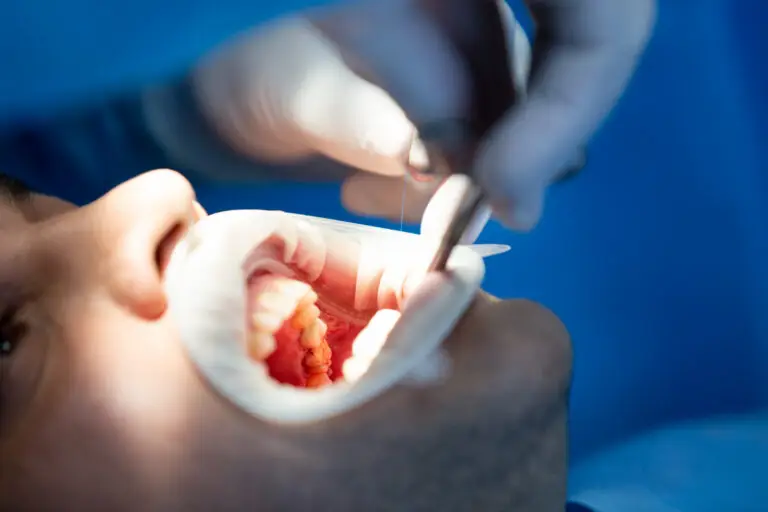
A maintenance appointment is a review, a cleaning, and a comparison all in one. The specifics depend on your history, but a typical visit includes several consistent steps.
- A review of your medical history and any changes since the last visit, including new medications or health conditions.
- An assessment of your gums, roots, and surrounding bone, along with measurements of pocket depths and notes on bleeding or inflammation.
- Professional removal of plaque and calculus from tooth surfaces and root surfaces, which is the cleaning portion that keeps bacterial buildup from hardening in place.
- A comparison against your previous readings so progress or regression is measured rather than guessed.
- A conversation about home care and a recommendation for when to return.
Because the measurements are repeated at each visit, your periodontist can see a trend line. A single pocket that reads slightly deeper may mean nothing. The same pocket reading deeper three visits in a row is a signal worth acting on, and maintenance is what makes that pattern visible.
How Maintenance Differs From a Routine Cleaning
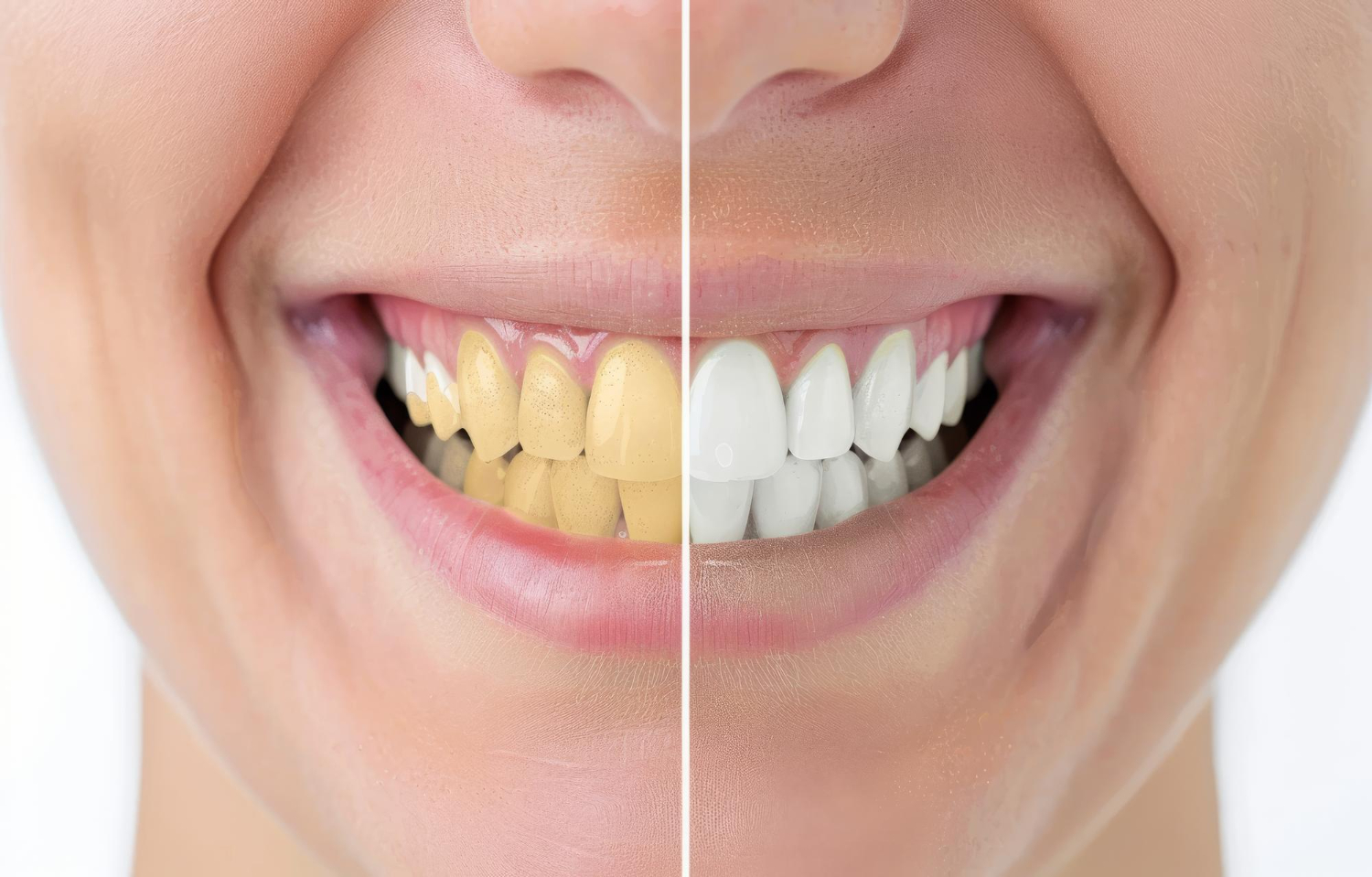
A standard dental cleaning is preventive care for a mouth without a history of periodontal disease. A periodontal maintenance visit is ongoing therapy for a mouth that has already been treated for it. The two appointments may look similar from the chair, but the purpose is different, and so is the level of detail in the charting.
That distinction matters if you move, change dentists, or see a new hygienist. Mentioning that you have completed periodontal treatment and are on a maintenance schedule helps the clinical team plan the right appointment instead of assuming a standard cleaning is enough.
What Maintenance Protects Over Time
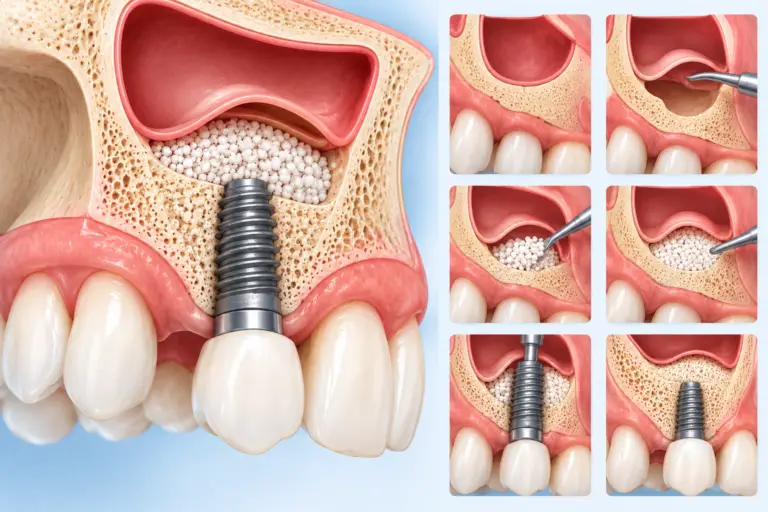
The value of maintenance shows up in what does not happen. Keeping gums, roots, and surrounding bone healthy helps prevent gum disease from returning and preserves the stability of the teeth that treatment saved. It also supports the work you may have invested in elsewhere, including implants, gum grafting, and cosmetic procedures such as crown lengthening.
There is a broader benefit as well. Caring for your gums is part of caring for your oral health and your overall well-being, since the gums and bone are the foundation the rest of your smile depends on.
What You Do Between Visits
Maintenance appointments handle the professional side. The daily side belongs to you. Because gum disease is usually brought on by a lack of oral hygiene, the routine your periodontist outlines at home carries a large share of the result.
Follow the cleaning instructions you are given, keep the schedule you are assigned, and tell the office about changes in your health or medications at the next visit. If you notice bleeding, swelling, tenderness, or a change in how a tooth feels, call before the next scheduled appointment rather than waiting for it.
Choosing a Periodontal Office in Reading, PA
Choosing a periodontal office in Reading, PA involves more than looking at reviews or the number of services offered. Consider the periodontist’s experience, the types of treatments available, and whether the practice can provide ongoing care as your needs change.
Keystone Periodontal Group is a privately owned periodontal practice serving patients with gum disease, periodontal maintenance needs, gum recession, and other periodontal concerns. The practice also provides dental implant and related periodontal care, allowing patients to receive different stages of treatment within the same office.
When comparing periodontal offices, ask how your periodontal health will be monitored over time and how maintenance visits are scheduled. Consistent follow-up can help your care team track changes in gum health and adjust treatment when needed.
Signs You Should Call Sooner
Maintenance works best when it is predictable, but some changes should not wait for the next appointment. Call the office if your gums bleed regularly when you clean your teeth, if they look swollen or feel tender, if you notice your gums pulling away from your teeth, if a tooth feels loose or has shifted, or if persistent bad breath does not improve. These are the kinds of changes that are simpler to address early.
Scheduling Periodontal Maintenance in Reading, PA
If you have completed scaling and root planing, regenerative treatment, or periodontal surgery, the next step is a maintenance schedule you can keep. Keystone Periodontal Group sees patients at 27 Village Center Drive in Reading, PA, and the office can be reached at (610) 777-7002 to confirm your interval, ask questions about your history, or book a visit. Because coverage and cost vary by plan and by treatment, ask the office to review what your individual situation involves before you come in.
Frequently Asked Questions
Is periodontal maintenance the same as a deep cleaning?
No. A deep cleaning, also called scaling and root planing, is active treatment that removes infection from root surfaces. Periodontal maintenance is the ongoing care that follows that treatment for patients who have had more extensive periodontal therapy. The appointments can feel similar, but one treats the disease and the other keeps it from returning.
Do I still need maintenance if my gums feel fine?
Yes. Gum disease often progresses without discomfort, which is exactly why measurements and professional cleanings are repeated on a schedule. Your periodontist is watching the health of your gums, roots, and surrounding bone to prevent gum disease and preserve stability. Waiting for symptoms means waiting until more damage has already occurred.
Does dental insurance cover periodontal maintenance?
Coverage depends on your specific plan, so there is no single answer. Some plans include maintenance visits after active periodontal treatment, while others apply different rules or waiting periods. Contact your insurance carrier directly and ask the dental office to verify your benefits before the appointment so you know what to expect.
How much does periodontal maintenance cost?
Costs vary based on your location, the extent of the cleaning needed, and whether additional treatment is required. Rather than estimating from a general figure, ask the office for a written estimate based on your own exam and history. That way the number you receive reflects your mouth, not someone else’s.
How often will I need a maintenance visit?
The right interval is a clinical decision based on your gum health, bone levels, home care, and treatment history. Your periodontist will recommend a schedule and may adjust it as your measurements change. Follow the interval you are given rather than assuming a standard twice yearly cleaning matches your situation.