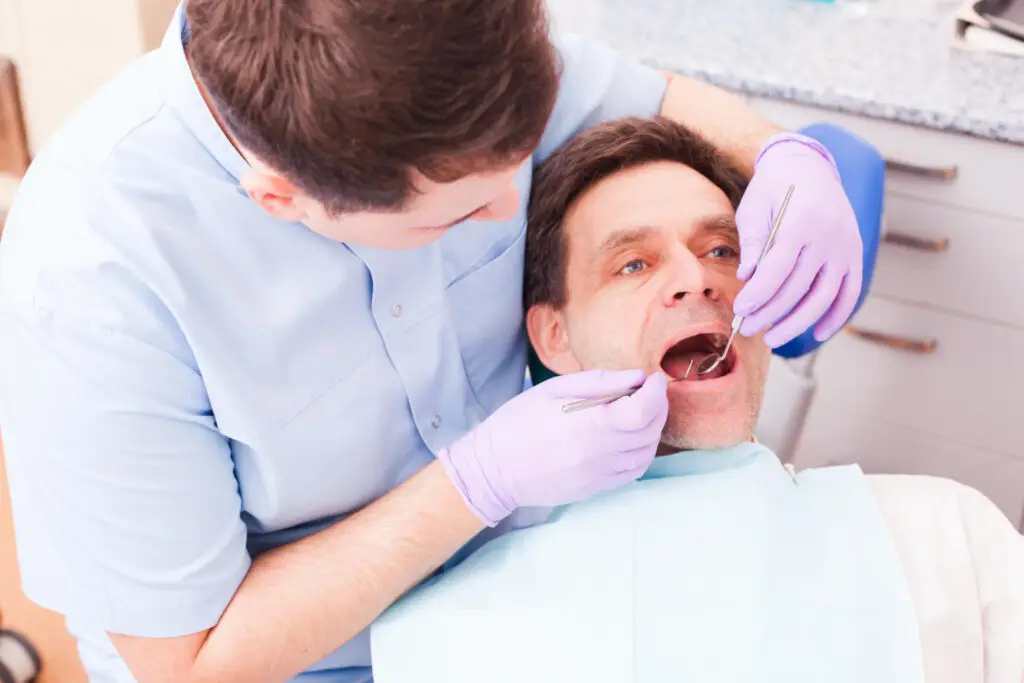
Receding gums rarely announce themselves. A tooth starts looking longer in the mirror, cold drinks sting, or a hygienist mentions that a root surface is showing. Once a dentist or periodontist recommends treatment, the next question usually arrives fast: will insurance pay for this?
The honest answer is that coverage depends on your specific plan, the diagnosis on file, and how the procedure is coded. Some policies cover a meaningful share of gum recession treatment. Others cover only a narrow slice. This guide walks through what insurance typically does and does not handle, which details decide the outcome, and what Reading PA patients should confirm before scheduling care.
What Gum Recession Treatment Actually Involves
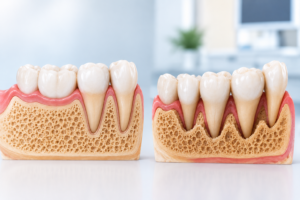
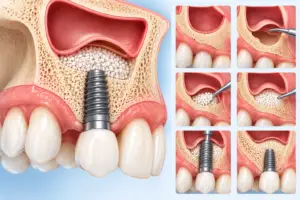
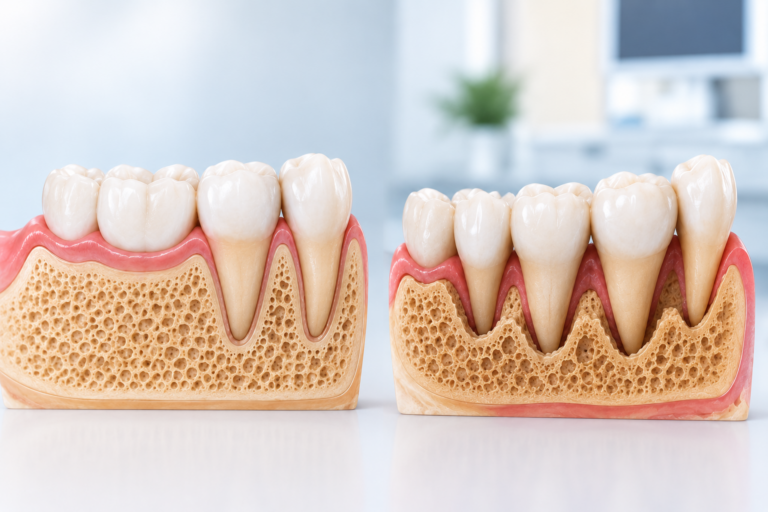
Gum recession is the pulling back of gum tissue from the tooth surface, which exposes the root. Treatment is not a single procedure. It is a spectrum that starts with monitoring and improved home care and can progress to surgical repair.
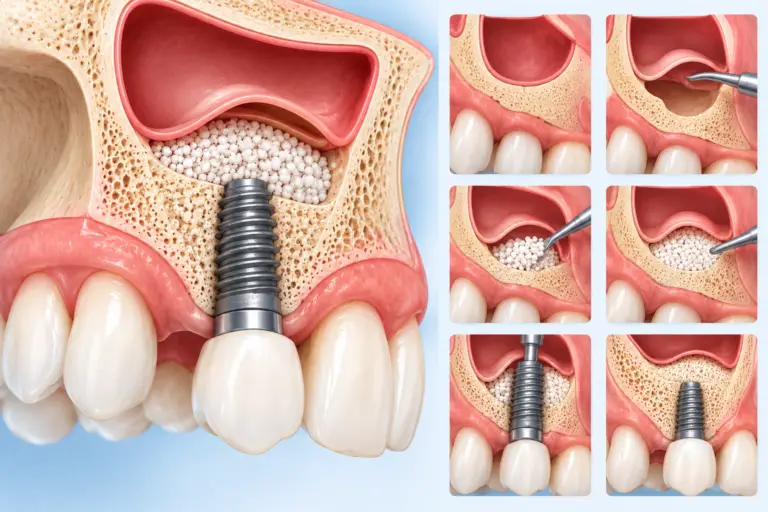
At the surgical end sits the gum graft, a procedure that replaces lost tissue with donor tissue taken from the roof of the mouth or another source. Many dental insurance policies cover at least part of the cost of medically necessary gum graft procedures, which is the key phrase. Medically necessary is doing a lot of work in that sentence, and it is the reason two patients with similar-looking gums can receive very different coverage decisions.
Before surgery is considered, many patients go through nonsurgical periodontal therapy such as scaling and root planing. That step matters for insurance purposes because it often appears on a different part of the benefit schedule than surgical treatment.
Dental Insurance vs Medical Insurance for Gum Recession
One of the most common points of confusion is which policy pays. The split is not always obvious, and it is not always the same from one plan to the next.
| Type of care | Where it is often billed | What the research shows |
|---|---|---|
| Scaling and root planing | Dental insurance | May be covered under dental insurance |
| Periodontal surgery | Possibly medical insurance | May be covered under medical insurance rather than dental |
| Gum graft (medically necessary) | Dental insurance | Many dental policies cover at least part of the cost |
| Routine cleanings and preventive visits | Dental insurance | Often covered, including partial periodontal disease treatment |
Some periodontal procedures, including scaling and root planing, may be covered under dental insurance, while others, such as periodontal surgery, may be covered under medical insurance. That distinction can change the paperwork, the reimbursement rate, and even which office staff member handles the claim. If your dentist’s office only files dental claims, it is reasonable to ask whether a medical claim is also an option for your situation.
How Dental Plans Usually Structure Gum Graft Coverage
Plan language varies widely, but the patterns show up repeatedly. Understanding them helps you read your own benefits packet without guessing.
Percentage-based coverage tiers
Some plans treat a gum graft as a major service and cover a percentage of the allowed fee, commonly in the range of 40 to 50 percent, while other plans limit coverage to grafts deemed medically necessary. That difference is significant. A plan that pays a percentage of a major service is applying a math formula. A plan that covers only medically necessary grafts is applying a clinical judgment, and that judgment is usually made using documentation your periodontist submits.
Plans that require a specific amount of recession
Dental insurance plans vary in terms of coverage, and some plans will only cover a gum graft when there is a specific amount of gum recession present. In other words, the plan may have a threshold written into the policy. If your recession measures below that threshold, the procedure may be classified as cosmetic rather than restorative, and cosmetic treatment is generally not a covered benefit. Ask your periodontist to document measurements clearly, since those numbers may be the deciding factor.
Preventive benefits that support gum health
Dental insurance often covers routine cleanings, partial periodontal disease treatment, and related procedures like scaling and root planing. One example of a plan with enhanced preventive benefits is BCBS FEP Dental, which allows preventive cleanings up to three times per year. That same coverage note indicates that patients who have had surgical or nonsurgical treatment for gum disease may be eligible for additional cleanings. If you have a history of periodontal treatment, it is worth asking whether your plan has a similar maintenance provision, because ongoing cleanings are often what keeps recession from progressing further.
What Gum Recession Treatment Costs
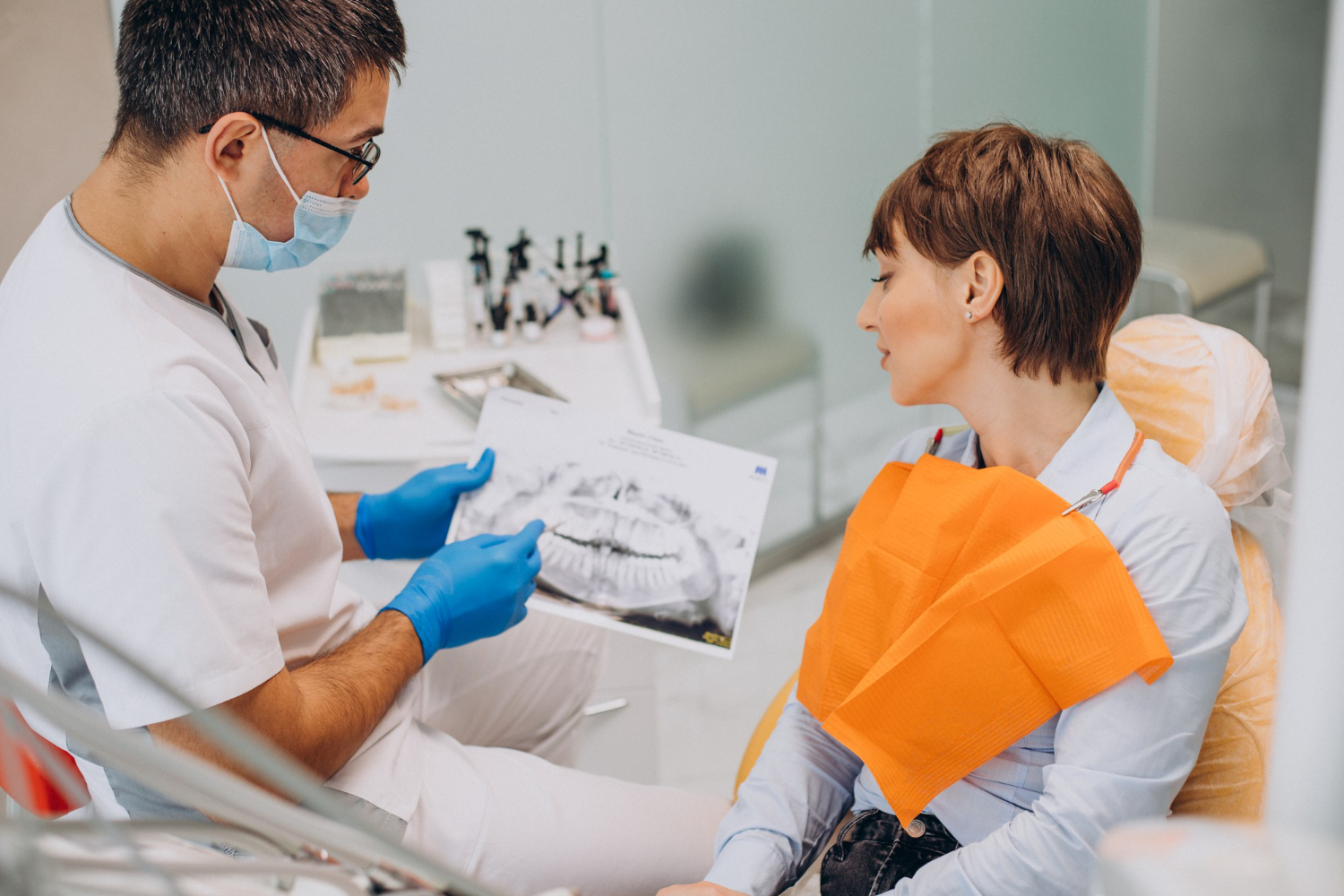
The amount you may need to pay for gum recession treatment can depend on several factors, including the number of teeth affected, the severity of recession, the treatment technique recommended, and your dental insurance benefits.
Your periodontist can evaluate your gums and explain which treatment is appropriate for your specific condition. If you have dental insurance, the office can also help you understand whether your plan provides coverage for the recommended procedure and what your expected out-of-pocket responsibility may be.
Because every patient’s situation is different, an examination and benefits review can provide a more accurate understanding of your treatment and coverage options.
What to Ask Before You Schedule Treatment
A short list of questions can prevent an unpleasant surprise on a treatment day. Bring your insurance card and your plan booklet, and expect the front office to verify benefits on your behalf.
- Is the recommended gum graft classified as medically necessary or cosmetic under my plan?
- Does my plan cover this as a major service, and at what percentage?
- Does my policy require a minimum amount of gum recession before it will pay?
- Will this be billed to dental insurance, medical insurance, or both?
- Are there additional cleanings available to me given my periodontal history?
- What is my estimated out-of-pocket cost after the plan’s allowed amount?
- Is there a waiting period or a frequency limit that applies to this procedure?
Why Documentation Decides So Many Claims
Insurance reviewers do not examine your mouth. They read what your provider sends. That typically includes periodontal charting with recession measurements, radiographs, a diagnosis, and a narrative explaining why the procedure is necessary rather than elective.
This is one reason a specialist’s office tends to be efficient with periodontal claims. A periodontal practice charts attachment levels and recession as a routine part of care, so the supporting documentation for a medical necessity argument is usually already in the record. If a claim is denied, the appeal path usually involves submitting additional documentation rather than starting over.
Working With a Periodontal Office in Reading, PA
Gum recession treatment sits squarely in the overlap between clinical judgment and insurance rules, which is why the office you choose affects the paperwork you deal with. Keystone Periodontal Group is a periodontal practice in Reading, PA focused on gum care, dental implants, and cosmetic procedures, with a boutique, patient-focused approach. Practices in that specialty handle insurance verification, pre-treatment estimates, and appeals as part of normal workflow.
When you call to schedule, let the team know you want a benefits check before treatment is finalized. That request gives the office time to confirm coverage details with your carrier instead of discovering a limitation after the procedure.
If Coverage Falls Short
Denials and partial coverage happen, and patients still move forward. Common approaches include phasing treatment so that the most urgent areas are addressed first, using a flexible spending or health savings account if you have one, and asking whether the practice offers in-house payment arrangements or works with third-party financing companies.
It also helps to separate urgent from optional. A graft protecting an exposed root on a tooth with active bone loss carries a different urgency than a small area being watched. Your periodontist can rank the treatment plan so you know what cannot reasonably wait.
Frequently Asked Questions
Does dental insurance cover gum recession treatment?
Often it covers part of it, but not always all of it. Many dental insurance policies cover at least part of the cost of medically necessary gum graft procedures, and dental insurance frequently covers routine cleanings, scaling and root planing, and partial periodontal disease treatment. Cosmetic recontouring is typically excluded. Confirm your specific plan’s terms before scheduling.
Is a gum graft billed to dental or medical insurance?
It depends on the plan and the procedure. Some procedures, such as scaling and root planing, may be covered under dental insurance, while others, such as periodontal surgery, may be covered under medical insurance. Some offices file both. Ask your provider which route they plan to use and why.
Why would my plan deny a gum graft claim?
The most common reason is classification. Some plans only cover a gum graft when a specific amount of gum recession is documented, and below that threshold the procedure may be treated as cosmetic. Insufficient charting or missing radiographs can also trigger a denial. Additional documentation often supports an appeal.
Can I get extra cleanings if I have gum disease?
Possibly. BCBS FEP Dental allows preventive cleanings up to three times per year, and coverage notes indicate patients who have had surgical or nonsurgical gum disease treatment may be eligible for additional cleanings. Other carriers set their own limits. Ask your dental office to verify your plan’s frequency allowance.
Get Help With Gum Recession Treatment
Understanding your insurance benefits is important, but protecting your gums should come first. Gum recession can expose tooth roots and may worsen without appropriate care. A periodontal evaluation can identify the cause, explain your treatment options, and help clarify what your insurance plan may cover. If you are in Reading, PA, contact Keystone Periodontal Group to schedule an evaluation and discuss your concerns with a periodontal specialist. Taking action early can help protect your gums and support long-term oral health.