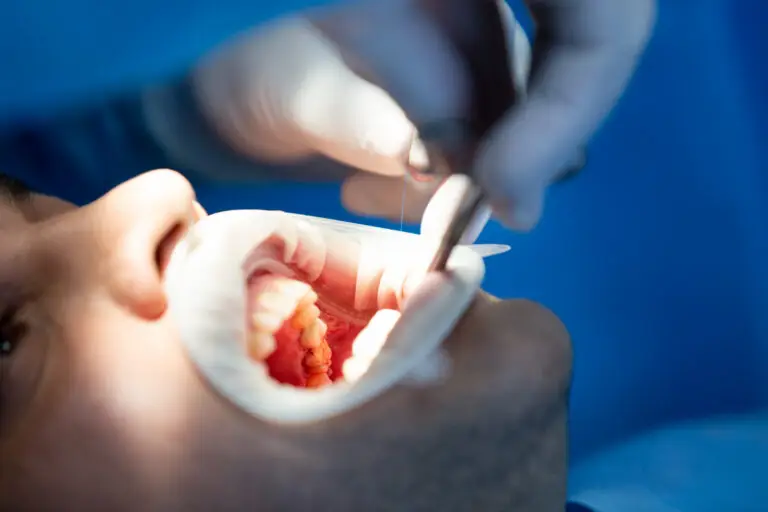

Scaling and root planing is a deep dental cleaning that removes tartar and bacteria that build up around the roots of your teeth. Dentists and periodontists recommend it when you have mild or moderate gum disease. This treatment can help sore or bleeding gums, prevent tooth loss, and give you the best chance for long-lasting oral health.
The answer to how often you need it is not the same for everyone. The right schedule depends on the stage of your gum disease, your personal risk factors, and how well your gums respond to treatment. Your dentist or periodontist will also explain what happens during the procedure, how many visits you may need, and what kind of follow-up care is required once the initial treatment is complete.
What Is Scaling and Root Planing?
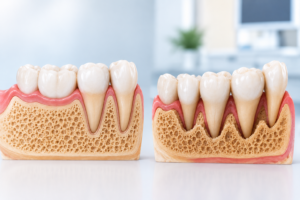
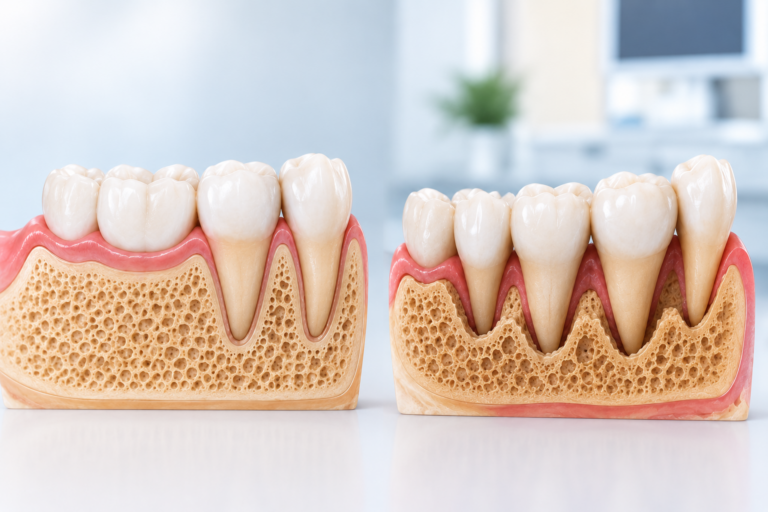
Scaling and root planing are two different procedures that are typically performed one after the other to treat and prevent gum disease. Scaling removes tartar and bacteria from the surfaces of the teeth, including areas below the gumline. Root planing smooths the root surfaces so the gums can heal and reattach more effectively.
The purpose of these two procedures is to treat and prevent periodontal disease, more commonly known as gum disease. While a routine cleaning focuses on the visible surfaces of the teeth, scaling and root planing addresses the areas where the disease actually takes hold. It is clinically referred to as a foundational periodontal treatment because it controls chronic inflammation of the gums and the structures that support the teeth. A dentist or a periodontist, a specialist in gum disease, may perform the procedure after a comprehensive exam.
Gum disease is common. According to the CDC, approximately 47.2% of adults aged 30 and older in the United States have some form of periodontal disease, and this number rises to over 70% in people over 65. This is why dental professionals take gum disease seriously and why treatment frequency matters.
How Often Do You Need Scaling and Root Planing?
Recommendations vary because patients vary. There is no one-size-fits-all schedule, but there are several common timelines that dental professionals use based on the health of your gums.
Ideally, Only Once
For people whose gum disease is caught early and treated successfully, the goal is that scaling and root planing will only be needed once. After your dentist removes the tartar and bacteria, regular dental cleanings and good at-home care can keep the disease from returning. This is the best-case scenario, and it is one reason early treatment is so important.
Every Three to Four Years for Some Patients
Some dental professionals recommend scaling and root planing every 3 to 4 years for patients who have already experienced gum disease. In this approach, regular periodontal maintenance is scheduled in between sessions to keep the gums stable and to catch any new buildup before it becomes a problem.
At Least Once a Year for Certain Patients
For patients with active gum disease, many dentists recommend getting scaling and root planing at least once a year. Some practices recommend it once or twice a year, depending on how quickly tartar accumulates and how the gums respond to treatment.
Every Three to Four Months for Advanced Cases
For moderate to advanced periodontitis, your periodontist may recommend a visit every three to four months. After successful treatment, most patients transition to periodontal maintenance cleanings every 3 to 4 months. These visits are deeper than regular cleanings and are designed to keep the gum disease under control over the long term.
Every Three Months for Higher-Risk Patients
Patients at higher risk for gum disease may need cleanings every 3 months. In some cases, these cleanings alternate between the general dentist and the periodontist. This frequency is commonly recommended when there is a history of gum disease or other factors that increase the risk of recurrence.
The pattern is clear: the more advanced the disease and the higher the risk, the shorter the interval between visits. A schedule that is right for one patient may not be right for another.

What Determines Your Personal Schedule?
Several factors go into the recommendation your dental team gives you. Understanding them can help you see why your maintenance plan looks the way it does.
- The stage of gum disease. Mild or moderate gum disease may respond to a single deep cleaning, while advanced periodontitis often requires ongoing care.
- Your home care routine. Consistent brushing and flossing help extend the benefits of professional treatment.
- Risk factors. Smoking, certain medical conditions, and other factors can increase the chance of gum disease returning.
- Your dental history. A past diagnosis of periodontitis usually means you need more frequent maintenance.
- How your gums respond. Some patients heal quickly and stay stable, while others need closer monitoring.
Your periodontist may also adjust your schedule over time. If your gums stay stable, the interval between visits may be extended. If problems return, the interval may be shortened. The plan is meant to respond to the health of your gums, not to stay fixed forever.
Scaling and Root Planing Versus Regular Cleanings
Understanding the difference between a deep cleaning and a routine cleaning helps explain why the schedules are not the same.
Adults with a healthy periodontium should undergo routine prophylactic cleanings every 6 months. For people at minimal risk of gum disease, this is enough to prevent problems. Once gum disease has developed and been treated, however, regular cleanings may no longer be sufficient.
Periodontal maintenance fills that gap. It is scheduled every 3 to 4 months after treatment, and it is deeper than a regular cleaning because it focuses on the areas that were treated and on preventing a relapse. The two types of visits have different goals: a regular cleaning is preventive, scaling and root planing is therapeutic, and periodontal maintenance is protective.
| Type of cleaning | Typical frequency | Who it is for |
|---|---|---|
| Regular dental cleaning | Every 6 months | Adults with healthy gums and minimal risk |
| Scaling and root planing | Once, with repeat treatments if needed | Patients with mild to moderate gum disease |
| Periodontal maintenance | Every 3 to 4 months | Patients who have completed deep cleaning treatment |
What to Expect During Scaling and Root Planing
Scaling and root planing may take more than one visit to complete. Your dental team may use a local anesthetic to keep you comfortable during the process. The number of visits depends on the amount of tartar and the severity of the gum disease. Some patients complete the process in two visits, while others may need more time. Your dental team will explain the plan before starting.
After the treatment, it is normal to have some soreness for a day or two and to notice tooth sensitivity for up to a week. These side effects are temporary. Good oral hygiene at home can extend the effects of the procedure, and your dentist or periodontist will provide guidance for managing discomfort while your mouth heals.
Why Follow-Up Care Matters
Scaling and root planing is the first step in managing gum disease, but regular follow-up care is essential for long-term success. Periodontal maintenance visits allow your dental team to monitor your gum health, remove new plaque and tartar buildup, and detect early signs of disease recurrence before they become more serious.
For many patients with a history of gum disease, maintenance visits every three to four months help keep their gums healthy and reduce the risk of future complications. By following the care plan recommended by your periodontist and maintaining good oral hygiene at home, you can protect your natural teeth and support lasting oral health.
Conclusion
Scaling and root planing is an effective way to manage gum disease and protect your long-term oral health. Following the right treatment and maintenance schedule can help keep your gums healthy and reduce the risk of future complications. If you’re experiencing signs of gum disease or have been told you need a deep cleaning, contact Keystone Periodontal Group today to schedule a comprehensive periodontal evaluation and receive personalized care tailored to your smile.
Frequently Asked Questions
Is scaling and root planing painful?
Your dental team may use a local anesthetic during the procedure to keep you comfortable. Afterward, it is normal to feel sore for a day or two and to have tooth sensitivity for up to a week. These side effects are temporary and usually settle on their own. Your dentist or periodontist can give you specific advice for staying comfortable while your gums heal.
How many visits does scaling and root planing take?
The procedure may take more than one visit to complete. Your dentist or periodontist will decide how to divide the treatment based on the condition of your gums and the areas that need attention. Breaking it into separate visits helps keep you comfortable throughout the process, and the full treatment plan is explained to you before it begins.
Can I go back to regular 6-month cleanings after treatment?
For many patients, the answer is no. After successful scaling and root planing, most patients need periodontal maintenance every 3 to 4 months instead of a routine cleaning every 6 months. Maintenance appointments are deeper than regular cleanings and focus on preventing gum disease from returning. This schedule protects the work that was done during the treatment.
Is having teeth cleaned every 3 months too often?
For someone with healthy gums, a 3-month cleaning would be more often than necessary, since healthy adults typically need a cleaning every 6 months. For a patient with a history of gum disease or a higher risk of periodontal problems, a 3-month interval is a common and effective way to maintain gum health. Your periodontist will recommend the interval that matches your situation.