
Periodontal disease affects millions of people, and if left untreated, it can lead to serious oral health problems. For residents of Reading, Pennsylvania, scaling and root planing offers a non-surgical solution to combat gum disease and restore gum health. This deep cleaning procedure targets plaque and tartar below the gum line, helping to prevent tooth loss and reduce the risk of further complications.
Scaling and root planing is often the first line of treatment for periodontal disease. While regular cleanings focus on the visible surfaces of teeth, this procedure goes deeper to address the hidden bacteria that cause gum inflammation. Understanding what scaling and root planing involves, its benefits, and where to receive this treatment in Reading can help you make informed decisions about your oral health.
What Is Scaling and Root Planing?
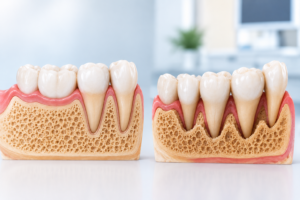
Scaling and root planing is a non-surgical treatment designed to manage periodontal disease. Periodontal disease is an infection of the gums and supporting structures of the teeth. When plaque and tartar accumulate below the gum line, they create pockets where bacteria thrive. Scaling and root planing removes this buildup and smooths the root surfaces to discourage future bacterial colonization.
The procedure has two distinct parts. Scaling involves the careful removal of calculus (tartar) and plaque from the tooth surfaces, both above and below the gum line. Root planing smooths the root surfaces, making it harder for bacteria to attach and grow. Together, these steps help the gums reattach to the teeth and reduce pocket depth.
Because scaling and root planing targets areas that regular brushing and flossing cannot reach, it is sometimes referred to as a deep cleaning. Many patients require this treatment when they show signs of gum disease, such as bleeding gums, persistent bad breath, or receding gums.
How the Procedure Works
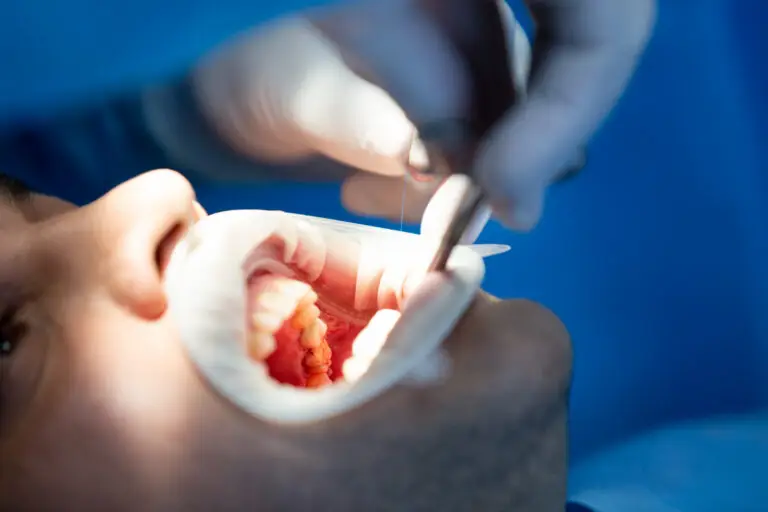
The process of scaling and root planing typically requires more than one visit, depending on the severity of the gum disease and the number of areas that need treatment. Before the procedure begins, local anesthesia may be used to ensure patient comfort. This numbs the gums and surrounding tissues so that the cleaning can be performed without discomfort.
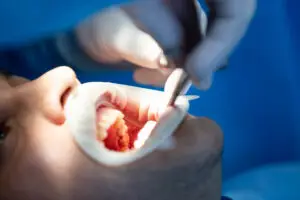
During the scaling phase, the dentist or periodontist uses specialized instruments to remove hardened tartar from above and below the gum line. Ultrasonic scalers or hand instruments may be used depending on the amount of buildup. After scaling, the root planing phase smooths the root surfaces, eliminating rough spots where bacteria can accumulate.
After the procedure, patients may experience mild tenderness or sensitivity for a few days. The gums will begin to heal, and with proper oral hygiene and regular follow-up care, the condition of the gums can improve significantly. In many cases, scaling and root planing is followed by a schedule of periodontal maintenance visits to keep the disease under control.

Benefits of Scaling and Root Planing
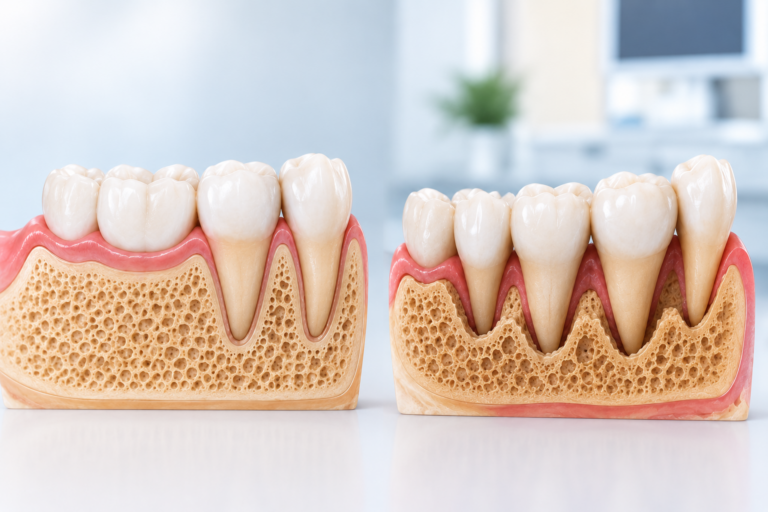
Receiving scaling and root planing offers several important benefits for patients with gum disease. The primary goal is to stop the progression of periodontal disease and prevent tooth loss. When gum disease advances, it can damage the bone and connective tissues that hold teeth in place. By removing the infection source, scaling and root planing helps preserve these structures.
Another benefit is the reduction of bad breath, also known as halitosis. The bacteria that cause gum disease produce foul-smelling compounds. By eliminating these bacteria, the procedure can freshen breath. Additionally, scaling and root planing can remove superficial stains from the teeth, improving the appearance of your smile.
Other benefits include reduced gum bleeding, less gum inflammation, and a lower risk of systemic health problems linked to periodontal disease, such as heart disease and diabetes complications. While scaling and root planing is not a cure-all, it is a critical step in managing gum health.
Why Early Treatment Matters
Treating gum disease early can help prevent it from progressing into a more serious condition that may lead to bone loss, loose teeth, or tooth loss. Scaling and root planing removes harmful bacteria below the gum line, helping to reduce inflammation and support gum healing. If you notice symptoms such as bleeding gums, persistent bad breath, or gum recession, seeking treatment early can help protect your natural teeth and reduce the need for more advanced periodontal procedures in the future.
What to Expect After Treatment
After scaling and root planing, your gums will need time to heal. For the first few days, you may notice some sensitivity to hot or cold foods, mild soreness, or slight bleeding. These are normal reactions as the gums begin to recover. Your dentist or periodontist will provide aftercare instructions, which may include avoiding certain foods, using a soft-bristled toothbrush, and rinsing with a prescribed mouthwash.
It is important to attend all recommended follow-up appointments. Regular periodontal maintenance visits every three to four months help prevent the recurrence of gum disease. During these visits, your dental professional will remove any new plaque and tartar and check the depth of your gum pockets.
Maintaining good oral hygiene at home is equally essential. Brushing twice a day, flossing daily, and using an antimicrobial mouthwash can help control bacteria. Without consistent at-home care and professional maintenance, the benefits of scaling and root planing may diminish over time.
Is Scaling and Root Planing Right for You?
Scaling and root planing is typically recommended for patients who have signs of periodontal disease, such as bleeding gums, deep pockets between teeth and gums, or visible tartar buildup below the gum line. A dental exam and periodontal probing will help determine if you need this treatment.
Because the procedure is non-surgical, it is often the first step before considering surgical options like flap surgery or gum grafting. Many patients are able to manage their gum disease with scaling and root planing followed by proper maintenance. However, each case is unique, and your dentist or periodontist can advise you on the best course of action based on your oral health.
If you are unsure whether scaling and root planing is appropriate, schedule a consultation with a Reading dental provider. They can assess your gums, discuss your symptoms, and explain the procedure in detail.

Why Choose Keystone Periodontal Group for Scaling and Root Planing in Reading, PA?
Choosing the right provider is an important step in protecting your gum health. At Keystone Periodontal Group, our team specializes in diagnosing and treating periodontal disease using advanced techniques and personalized care. We perform thorough periodontal evaluations to determine the severity of your condition and create a treatment plan tailored to your needs. From your initial consultation to ongoing periodontal maintenance, our focus is on preserving your natural teeth, improving gum health, and helping you achieve lasting oral wellness in a comfortable, patient-centered environment.
Frequently Asked Questions
How long does a scaling and root planing procedure take?
The length of the procedure varies depending on the number of teeth being treated and the severity of the buildup. Typically, one quadrant of the mouth may take 45 minutes to an hour. Many patients require two to four visits to complete the full treatment.
Does scaling and root planing hurt?
Local anesthesia is often used to numb the gums and surrounding areas, so most patients experience little to no pain during the procedure. After the anesthesia wears off, some soreness or sensitivity may occur, but this usually resolves within a few days.
How often do I need to get scaling and root planing?
Scaling and root planing is typically a one-time treatment for a specific area, but it may be repeated if gum disease recurs. After the initial procedure, most patients require periodontal maintenance visits every three to four months to keep the disease under control.
Can I eat after scaling and root planing?
It is best to wait until the numbness wears off before eating to avoid accidentally biting your cheek or tongue. After that, stick to soft foods for a day or two and avoid hot, spicy, or crunchy items that could irritate the gums.
Will my insurance cover scaling and root planing in Reading, PA?
Insurance coverage for scaling and root planing varies by plan. Many dental insurance policies provide some level of coverage for periodontal treatment, but it is advisable to contact your insurance provider and the dental office to verify your benefits before scheduling.
Conclusion
Scaling and root planing is an effective non-surgical treatment for managing gum disease and protecting your long-term oral health. By removing plaque and tartar from below the gum line, it helps reduce inflammation, promote gum healing, and lower the risk of tooth loss. If you’re experiencing symptoms such as bleeding gums, persistent bad breath, or gum recession, seeking professional care early can make a significant difference. A periodontal evaluation can help determine the right treatment plan to restore and maintain healthy gums for years to come.