Gum disease treatment has more than one path, and the two most discussed are traditional periodontal therapy and laser periodontal therapy. Both approaches share the same goal: eliminate bacteria, reduce inflammation, and preserve the supporting structures of the teeth. Where they separate is in technique, patient comfort, healing time, and how precisely each one targets diseased tissue.
Understanding those differences helps you ask better questions at a periodontal consultation and understand why a periodontist may recommend one option over the other, or combine them. The choice is rarely about which technology sounds newer. It is about the stage of your disease, the depth of your pockets, and what the evidence says works for a case like yours.
What Traditional Periodontal Therapy Involves
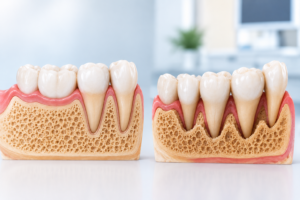
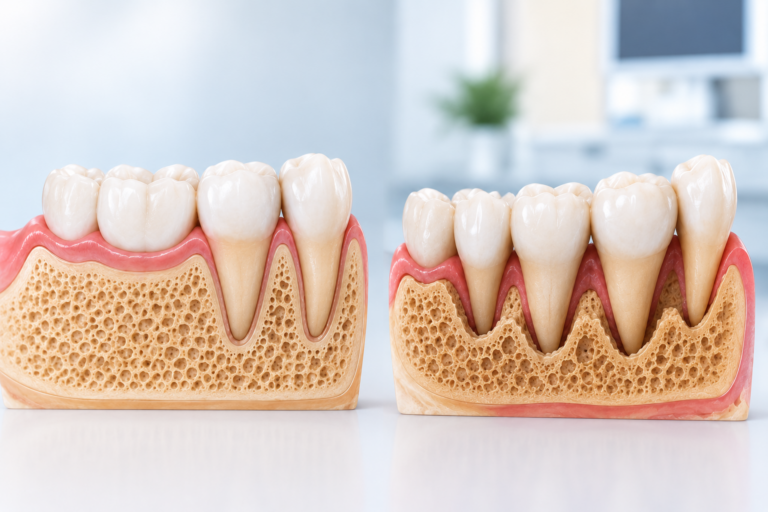
Traditional therapy covers a range of treatments, from non-surgical cleaning to surgical access. The foundational non-surgical treatment is scaling and root planing, often called SRP. The published literature describes SRP as the gold standard for managing periodontitis. During SRP, deposits of plaque and calculus are removed from below the gumline and the root surfaces are smoothed so that gum tissue can reattach more easily.
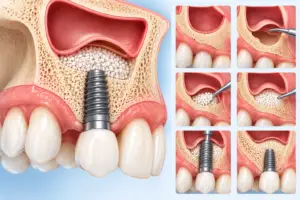
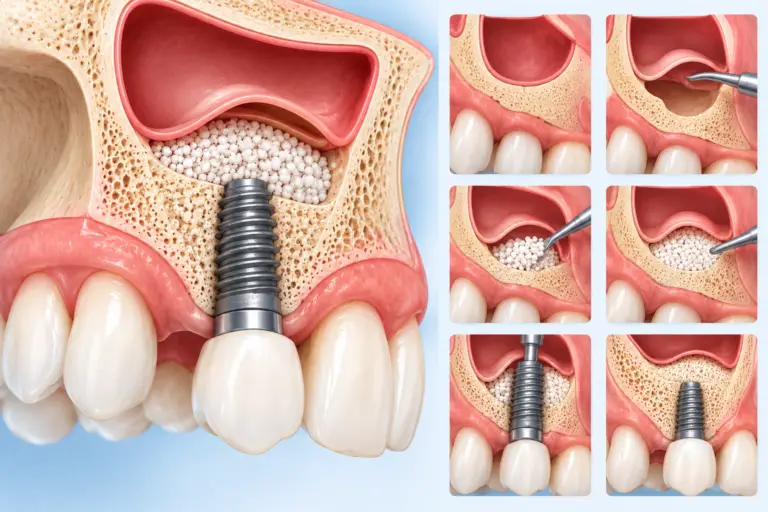
When pockets are deep or the disease has advanced, traditional surgical therapy may be used. This approach involves cutting the gums with a scalpel to lift tissue, reach the roots and bone directly, and then close the site with sutures. It gives the clinician clear, direct visual access to areas that instruments alone cannot reach well.
What Laser Periodontal Therapy Involves
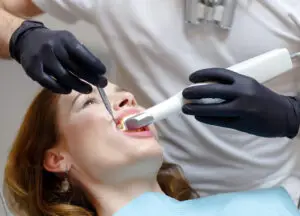
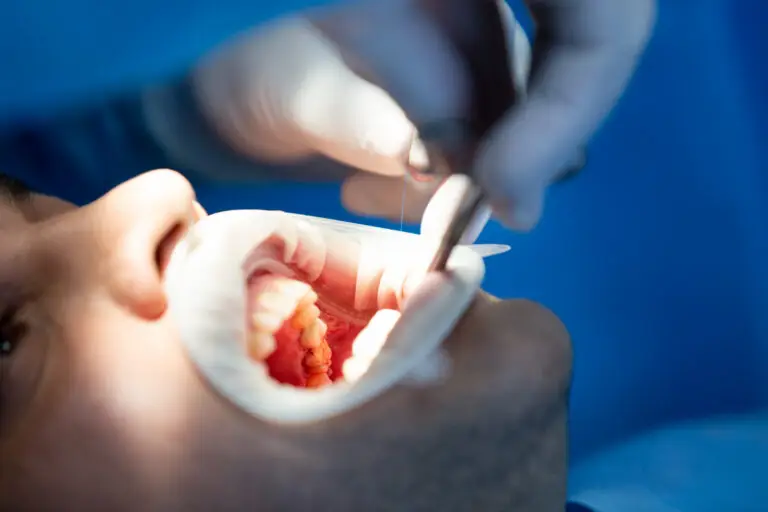
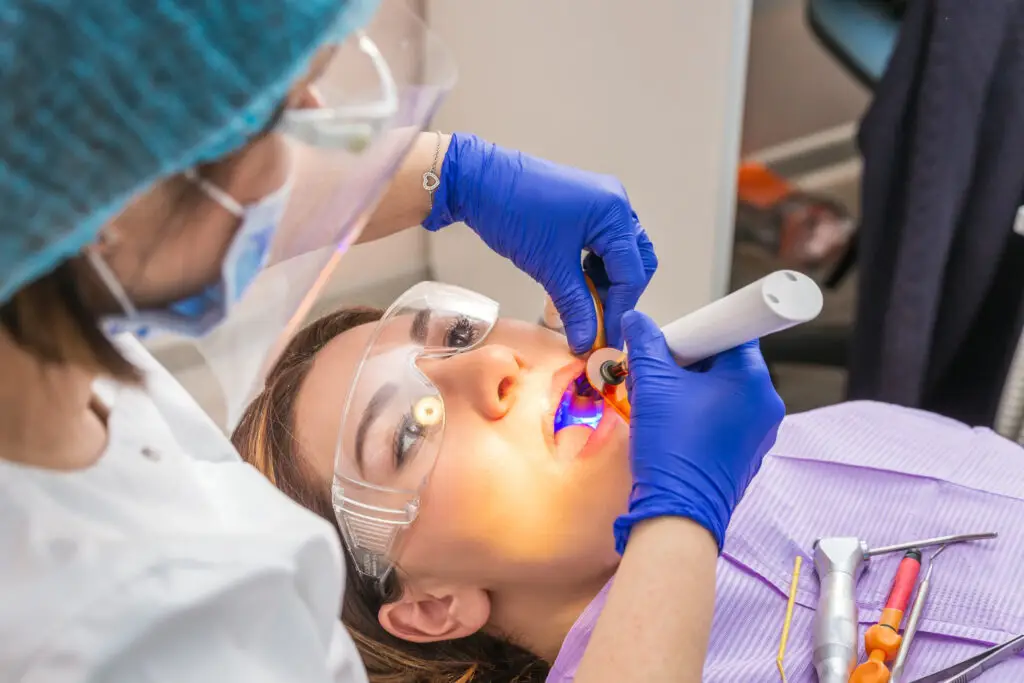
Laser periodontal therapy uses focused light energy to target and remove diseased gum tissue and bacteria while preserving healthy tissue. Different wavelengths serve different purposes, which means the device matters as much as the technique. In practice, the treatment is typically delivered with a fiber optic tip placed into the periodontal pocket to remove diseased tissue and bacteria.
Unlike traditional gum surgery, laser treatment does not require cutting the gums with a scalpel. Because the laser targets only the infected pockets, it can reduce damage to surrounding areas, and it often causes less bleeding. In the research literature, this approach appears as laser-assisted periodontal therapy, or LAPT, and it is frequently studied alongside traditional scaling and root planing rather than as a total replacement for it.
Pros of Laser Periodontal Therapy
Laser periodontal therapy has gained popularity as a less invasive option than traditional periodontal surgery, and the reported advantages center on the patient experience.
- Less bleeding during and after treatment compared with scalpel surgery.
- Patients often report less pain and faster healing than with traditional methods.
- Reduced bleeding, pain, and swelling compared with traditional surgical approaches.
- Precise targeting of infected pockets, which reduces the impact on surrounding healthy areas.
- No scalpel incision, which many patients find less intimidating than gum surgery.
For someone who has been putting off treatment because surgery sounds painful or disruptive, those differences can matter a great deal. Comfort and recovery time are legitimate factors in whether a patient completes the treatment plan and returns for maintenance visits.

Cons and Limitations of Laser Periodontal Therapy
Laser therapy is not automatically the better choice for every mouth, and a balanced view acknowledges where it falls short.
- Laser gum therapy and traditional gum surgery serve slightly different purposes depending on the stage of disease, so lasers are not a universal substitute.
- Outcomes depend on the wavelength and device used, and on the clinician’s training with that specific technology.
- A large share of the evidence compares laser-assisted periodontal therapy with traditional scaling and root planing, rather than showing that lasers should replace it entirely.
- Whether laser treatment is worth the investment for a specific case depends on details that only a clinical exam can establish.
- Coverage and cost vary by practice and plan, so patients should confirm details directly with the dental office and their insurer before treatment.
Questions about the success rate of laser periodontal therapy do not have one simple number that applies to everyone. Success is measured in pocket depth reduction, inflammation, bleeding on probing, and stability over time, and those results depend on the case, the technique, and how faithfully the patient maintains follow-up care.
Pros of Traditional Periodontal Therapy
Traditional therapy has the advantage of a long clinical history and remains the reference point against which newer methods are measured.
- Scaling and root planing is described in the literature as the gold standard for managing periodontitis.
- Traditional approaches can be highly effective, particularly when matched to the right stage of disease.
- Surgical access gives the periodontist direct visibility of roots and bone in advanced cases.
- The technique is widely available, and most periodontal practices and insurers are familiar with how it works.
- It can be performed without reliance on a specific laser device or wavelength.
For many patients, especially those with moderate disease, a well-executed course of scaling and root planing plus a maintenance schedule addresses the problem without surgery at all.
Cons of Traditional Periodontal Therapy
- Surgical treatment involves cutting the gums with a scalpel, which typically means more bleeding.
- Patients generally report more discomfort and slower healing than with laser treatment.
- Scalpel incisions and tissue manipulation affect a broader area than a laser aimed at an infected pocket.
- Recovery can interrupt work, school, and normal eating for longer.
Side-by-Side Comparison
| Factor | Traditional therapy | Laser periodontal therapy |
|---|---|---|
| How tissue is accessed | Scaling and root planing with instruments; scalpel surgery for deep or advanced cases | Focused light energy delivered by a fiber optic tip into the periodontal pocket |
| Bleeding | More bleeding with surgical treatment | Often less bleeding |
| Discomfort and healing | Patients commonly report more discomfort and slower healing | Patients often report less pain and faster healing |
| Precision | Direct surgical access to roots and bone | Targets only infected pockets, reducing damage to surrounding areas |
| Role in the evidence | Scaling and root planing is the gold standard for managing periodontitis | Laser-assisted periodontal therapy is studied alongside traditional scaling |
| Effectiveness | Can be highly effective | Can be highly effective |
The table shows why the comparison rarely ends with a winner. Both treatment families can produce strong results. They simply work differently and suit different stages of disease.
How Periodontists Decide Between the Two
The recommendation usually comes down to the stage of the disease, how deep the periodontal pockets are, which teeth are involved, the shape of the roots and bone, and the patient’s overall health and willingness to keep up with maintenance. Someone with early to moderate periodontitis may do very well with scaling and root planing alone. Someone with deeper pockets or a history of failed non-surgical treatment may need surgical access, which could be traditional, laser-assisted, or a combination.
Clinician training matters too. Laser treatment depends on choosing the correct wavelength for the goal and using it correctly, so it makes sense to ask how much experience the treating periodontist has with the specific device in the office.
Questions to Ask Before You Choose
- What stage is my gum disease, and what are my current pocket depths?
- Is scaling and root planing likely to be enough on its own?
- If laser treatment is recommended, which wavelength and device will be used, and why that one?
- Will the laser replace scaling and root planing or be used alongside it?
- What does healing look like, and how much time off work should I plan for?
- How will we measure success at the follow-up visit, and how often will I need maintenance?
- What will my out-of-pocket cost be, and how does my plan handle each option?
Write the answers down. Comparing two treatment plans side by side is much easier when you have the same information for both.
Frequently Asked Questions
Is laser periodontal therapy better than traditional treatment?
Neither is universally better. Published sources describe both laser gum therapy and traditional gum surgery as highly effective, and note that they serve slightly different purposes depending on the stage of disease. Laser treatment tends to win on comfort, bleeding, and healing time, while traditional therapy remains the reference standard for managing periodontitis. Your stage of disease should drive the decision, not the technology label.
Does laser gum treatment hurt?
Patients undergoing laser therapy often report less pain and faster healing compared with traditional methods, and laser treatment does not require cutting the gums with a scalpel, which typically causes less bleeding. That does not mean zero discomfort. Some soreness and sensitivity after treatment is still possible, and your periodontist can explain what to expect for your specific procedure.
Is laser periodontal therapy worth it?
Whether it is worth it depends on your case rather than on the technology itself. Laser therapy targets infected pockets precisely and is associated with less bleeding, pain, and swelling, which many patients value. However, cost and insurance coverage vary, and the treatment is matched to a specific stage of disease. Ask your periodontist to explain what it would accomplish for your teeth.
What is the success rate of laser periodontal therapy?
There is no single success rate that applies to every patient, and any practice quoting one number for all cases is oversimplifying. Periodontal outcomes are judged by reductions in pocket depth, less inflammation and bleeding, and long-term stability. Those results depend on the stage of disease, the wavelength and technique used, and how consistently you keep up with maintenance visits after treatment.
Can laser therapy replace scaling and root planing?
Current evidence does not support treating lasers as a blanket replacement. The research literature describes scaling and root planing as the gold standard for managing periodontitis and generally evaluates laser-assisted periodontal therapy alongside traditional cleaning rather than instead of it. In many treatment plans the two work together, with the laser addressing diseased pocket tissue and scaling addressing deposits on the roots.
Choosing the Right Periodontal Treatment for Your Needs
Laser and traditional periodontal therapies can both play an important role in managing gum disease. The right approach depends on factors such as your disease stage, pocket depth, treatment history, and overall periodontal health. Instead of choosing based on technology alone, discuss your options with a periodontist who can evaluate your specific needs and explain what each treatment can accomplish. If you are concerned about gum disease or have been told you need periodontal treatment, schedule a consultation with Keystone Periodontal Group to discuss your treatment options and take the next step toward healthier gums.