
Recovering from a tooth extraction requires patience and proper care. Whether you had a simple extraction or a surgical one such as wisdom tooth removal, knowing what to expect can help you heal faster and avoid complications. Most people can return to routine activities within 48 to 72 hours, but full healing of the jawbone and gum tissue typically takes 3 to 6 months. This guide outlines the recovery timeline, the most critical steps to protect the extraction site, and when you can expect to feel back to normal.
The First 24 Hours: Protecting the Blood Clot
The first 24 hours after your extraction are the most critical for forming and protecting the blood clot in the socket. This clot is essential for healing because it provides the foundation for new tissue growth. During this period, you should avoid anything that might dislodge the clot, including forceful spitting, using a straw, or smoking. Bleeding is normal and can be managed by biting on a gauze pad for about 30 minutes. If bleeding continues, replace the gauze and apply gentle pressure.
Managing Bleeding and Swelling
Some oozing is common in the first few hours. You can place a moistened tea bag on the socket for 20 to 30 minutes; the tannic acid in tea helps blood clot. Apply an ice pack to the outside of your cheek for 15 minutes on, 15 minutes off during the first 24 hours to reduce swelling. Keep your head elevated, even while sleeping, to help control bleeding and swelling. Do not rinse your mouth or brush the extraction area on the first day.
What to Eat and Drink
Stick to cool or lukewarm soft foods and clear liquids. Good choices include yogurt, applesauce, smoothies, and broth. Avoid hot foods and drinks because heat can dissolve the blood clot. Do not use a straw for at least one week. Also avoid carbonated beverages and alcohol, as they can irritate the socket. Drink plenty of water to stay hydrated, but sip gently from the cup.
Medications and Pain Management
Your dentist may recommend ibuprofen (an NSAID) as a first‑line pain reliever, as it reduces both pain and inflammation. Always take medications exactly as directed and check with your provider if you have any medical conditions that might limit NSAID use, such as kidney issues or a history of stomach ulcers. If you were prescribed a stronger painkiller, use it only as needed. For the first day, it is best to start pain medication before the local anesthetic wears off.

Days 2 to 3: The Peak of Pain and Swelling
Day 3 is often reported as the worst day of pain after a tooth extraction. Swelling typically peaks on day 2 or day 3, so your cheek may appear puffy and feel tender. This is normal and part of the body’s inflammatory response. Continue to rest and avoid strenuous activity. You can return to routine activities within 48 to 72 hours, but listen to your body and take it easy if you feel tired or sore.
When to Use Ice vs. Warm Compresses
After the first 24 to 48 hours, you can switch from ice packs to warm, moist compresses on the outside of your jaw. The warmth increases blood flow to the area and helps relieve stiffness and muscle soreness. Apply the compress for 20 minutes at a time, several times a day. If swelling worsens or extends to your neck or eyes, contact your dentist.
Oral Hygiene After 24 Hours
You can begin gentle warm salt water rinses 24 hours after the extraction. Mix half a teaspoon of salt in a cup of warm water and swish gently without force, then let the water fall out of your mouth over the sink. Do not spit. Continue to brush your other teeth carefully, avoiding the extraction site. Keeping your mouth clean reduces the risk of infection and supports faster healing.
Day 4 to 7: Soft Tissue Healing
By day 4, pain and swelling usually start to decrease. The gum tissue around the socket begins to close, and you may notice a whitish‑yellow layer inside the socket. This is granulation tissue, a normal part of healing, not a sign of infection. Do not try to remove it. Continue your soft‑food diet and avoid hard, crunchy, or sticky foods that could disturb the area. Most people find that by the end of the first week, the hole from a simple extraction is noticeably smaller and the gum surface feels smoother.
Granulation Tissue: A Good Sign
Seeing a whitish or yellowish substance in the socket can be alarming, but it is completely normal. Granulation tissue is rich in blood vessels and collagen and fills in the socket as the body repairs itself. It is not pus. If the area looks bright red or bleeds easily, or if you have a fever, contact your dentist. Otherwise, trust that this is a positive step in the recovery process.
Week 2 and Beyond: Bone Healing Continues
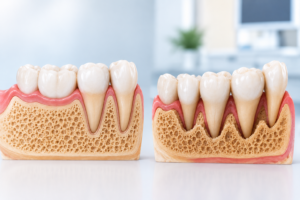
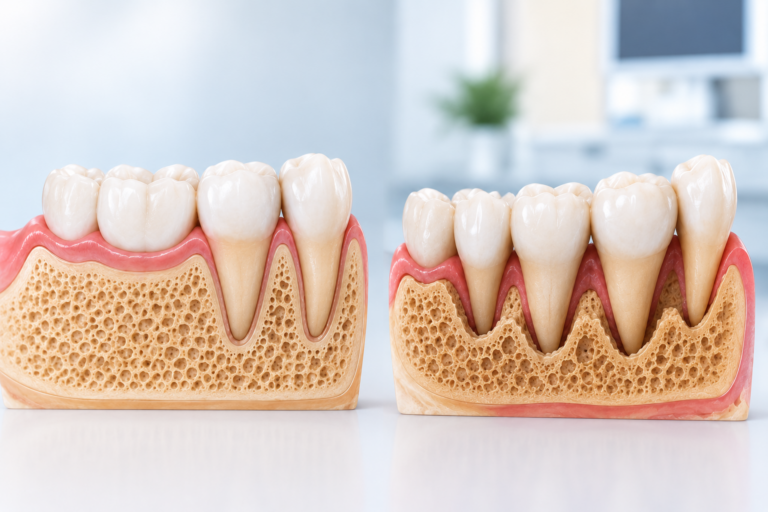
While gum tissue heals relatively quickly, the underlying bone takes much longer. Full healing of the jawbone can take 3 to 6 months. During the second week, most people can eat more normally, but you should still avoid hard or chewy foods directly on the extraction side. The socket gradually fills with new bone. You may still feel slight tenderness when chewing or brushing that area. If you had a surgical extraction, such as for impacted wisdom teeth, the recovery period is longer.
Simple vs. Surgical Extraction Recovery
A simple extraction, where the tooth is visible and easily removed, often results in the hole closing in about 7 days. The gum tissue may feel healed enough for pasta and soft meats within a week. A surgical extraction, however, involves an incision and possibly stitching. Full recovery can take up to two weeks, and most dentists recommend taking 3 to 5 days off from work or school to rest. Follow your dentist’s specific instructions for wound care and follow‑up visits.

Complications to Watch For
Most tooth extractions heal without problems, but being aware of potential complications helps you seek treatment early. The two most common issues are dry socket and infection. If you notice severe pain that worsens a few days after the extraction, or if your pain medication does not help, call your dentist. Similarly, any fever, persistent swelling, or discharge that tastes or smells bad may indicate infection.
Dry Socket: The Most Common Complication
Dry socket occurs when the blood clot in the socket becomes dislodged or dissolves too early. This exposes the underlying bone and nerve, causing intense pain that often radiates to the ear or eye. Dry socket is not an infection, but it does require prompt treatment from your dentist, usually a medicated dressing placed in the socket to relieve pain and promote healing. To reduce your risk, avoid smoking, using straws, and forceful spitting for at least one week after the extraction.
Infection Signs
Although less common than dry socket, an infection can develop if bacteria enter the socket. Signs include increasing pain after 3 days, swelling that does not subside, redness, a fever over 100.4°F, or pus draining from the site. Your dentist may prescribe antibiotics if an infection is present. Keep your mouth clean with gentle salt water rinses and follow all post‑operative care instructions to minimize the chance of infection.
Conclusion
Recovering from a tooth extraction takes time, but following the right aftercare steps can help promote healing and reduce the risk of complications. Protecting the blood clot, maintaining good oral hygiene, eating soft foods, and following your dentist’s instructions all support a smooth recovery. If you experience severe pain, persistent swelling, fever, or other unusual symptoms, seek professional dental care promptly. The team at Keystone Periodontal Group provides personalized treatment and ongoing support to help patients recover comfortably while protecting their long-term oral health.
Frequently Asked Questions
When can I start using a straw again?
Avoid using a straw for at least one week after your extraction. The suction can dislodge the blood clot and lead to dry socket. After the first week, ask your dentist if it is safe based on your healing progress. Switching to a cup or sip lid is a better choice during the early recovery period.
How long should I wait before exercising?
You can return to routine activities within 48 to 72 hours, but strenuous exercise should be avoided for about 3 to 5 days. Vigorous activity can increase blood pressure and dislodge the clot. Start with light walking and gradually resume your normal workout routine as you feel comfortable and your dentist approves.
Can I rinse my mouth with mouthwash?
Wait until 24 hours after the extraction before using any mouth rinse. After that, a warm salt water rinse is gentler than commercial mouthwashes, which may contain alcohol or strong chemicals that irritate the socket. If you prefer mouthwash, choose an alcohol‑free type and swish very gently.
What does normal healing look like after 5 days?
By day 5, pain and swelling should be much improved. The socket will be smaller, and you might see a white or yellow film of granulation tissue covering the area. The gum may still feel tender but should not be bright red or bleeding. If you have severe pain or foul‑smelling drainage, contact your dentist.
Is it safe to take ibuprofen after an extraction?
Ibuprofen is commonly recommended as a first‑line pain reliever after tooth extraction because it reduces both pain and inflammation. However, you should check with your dentist or doctor before taking it if you have a history of kidney disease, stomach ulcers, or are taking blood thinners. Always take it with food and follow the dosage instructions on the label.