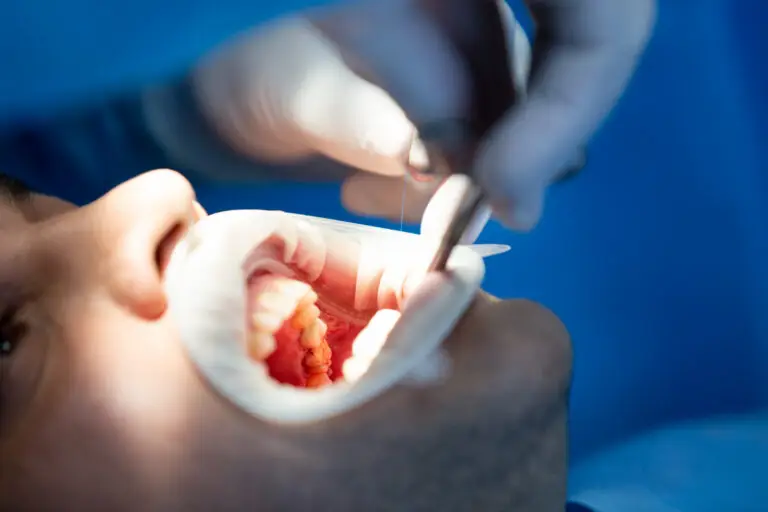

Many dental visits end with the same recommendation: a cleaning. But not all cleanings are the same. A routine cleaning is a preventive appointment that keeps healthy teeth in good shape. Scaling and root planing, sometimes called a deep cleaning, is a therapeutic procedure designed to treat active gum disease. Understanding the difference between the two can help you know why your dentist or periodontist recommended a specific treatment and what to expect from it.
The main difference comes down to purpose and depth. A regular cleaning focuses on the visible surfaces of your teeth, above the gumline. Scaling and root planing goes deeper, below the gumline, to remove hardened buildup that a routine cleaning cannot reach. This distinction matters because it changes how the procedure is performed, how long it takes, and how your gums respond afterward.
What Is a Regular Cleaning?
A regular dental cleaning is preventive care. Its goal is to remove plaque and tartar from the visible surfaces of your teeth and keep your mouth healthy before problems develop. During a routine cleaning, your hygienist or dentist polishes your teeth, removes buildup above the gumline, and checks the overall condition of your mouth.
Routine cleanings are typically completed in a single appointment. They are scheduled at regular intervals as part of ongoing maintenance, usually every six months for most patients. Because the buildup being removed sits above the gumline, the process is straightforward and generally comfortable.
Regular cleanings are appropriate when your gums are healthy and there are no signs of periodontal disease. They are not designed to treat active infection or damage beneath the gumline. If you have mild or moderate gum disease, a routine cleaning alone will not address the bacteria and tartar lurking under your gums.
What Is Scaling and Root Planing?
Scaling and root planing is a deep dental cleaning. It is like a regular cleaning, but it goes much deeper under your gums. This procedure is a common treatment for gum disease, which is caused by a sticky film of bacteria called plaque. Plaque is constantly forming on your teeth. If it is not removed thoroughly, the bacteria in plaque can cause your gums to become inflamed.
The procedure has two distinct parts. Scaling removes plaque and tartar from the surfaces of your teeth, including the areas below the gumline. This is the part of the process that targets the hardened calculus that a routine cleaning cannot reach. Root planing then smooths the roots of your teeth. Smoothing the roots helps your gums heal more comfortably around your teeth and allows them to reattach to the tooth surface.
Because scaling and root planing is a more involved procedure, it is not part of routine maintenance. It is a treatment that is performed when there is an existing problem, specifically gum disease. Dentists and periodontists may recommend this deep cleaning if you have mild or moderate gum disease, and it can help with sore, bleeding gums.
Key Differences Between Scaling and Root Planing and Regular Cleaning
The differences between these two procedures are meaningful for both your oral health and your treatment plan. The table below summarizes the most important points of comparison.
| Factor | Regular Cleaning | Scaling and Root Planing |
|---|---|---|
| Purpose | Preventive care to maintain oral health | Therapeutic treatment for gum disease |
| Target area | Visible tooth surfaces above the gumline | Below the gumline, along the root surfaces |
| Buildup addressed | Plaque and tartar on visible surfaces | Tartar and bacteria around the roots of the teeth |
| Appointment length | Typically completed in a single appointment | More involved and deeper than a routine cleaning |
| Role in care | Part of routine maintenance | A treatment done to address existing damage |
Regular cleanings and scaling and root planing are not interchangeable. The right option depends on the condition of your gums. A routine cleaning is appropriate for prevention, while scaling and root planing is meant for treatment after gum disease has developed.
How Gum Disease Develops
Understanding why scaling and root planing is necessary starts with understanding gum disease. Gum disease is caused by a sticky film of bacteria called plaque. Plaque is always forming on your teeth, even with good brushing habits. When plaque is not cleaned away effectively, the bacteria in it can cause your gums to become inflamed.
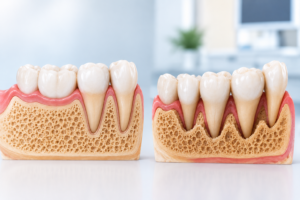
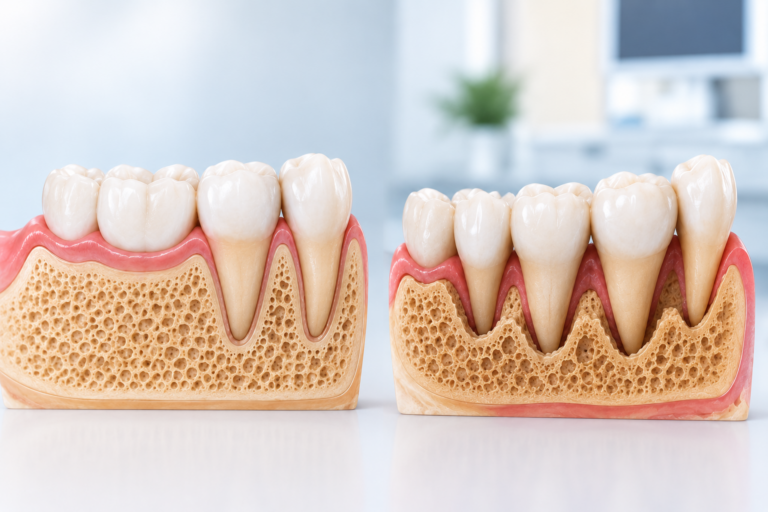
Over time, plaque hardens into tartar, also called calculus. This hardened buildup extends below the gumline, where regular brushing and routine cleanings cannot reach it. The presence of tartar below the gums fuels further inflammation and can lead to the symptoms of gum disease, including sore, bleeding gums.
When this happens, a preventive cleaning is no longer sufficient. Scaling and root planing is designed to remove the tartar and bacteria that have built up around the roots of the teeth. By cleaning below the gumline, the procedure directly targets the source of the problem rather than just the visible surfaces of the teeth.
Who Needs Scaling and Root Planing?
Dentists and periodontists may recommend scaling and root planing if you have mild or moderate gum disease. Signs that you might need this treatment include gums that bleed easily, tender or swollen gums, and persistent inflammation. The procedure is also recommended when there is visible tartar buildup beneath the gumline that a routine cleaning cannot address.
Scaling and root planing can help in several important ways. It can help sore, bleeding gums improve. It can prevent tooth loss by stopping the progression of gum disease. And it gives you the best chance for long-lasting oral health by removing the bacteria that cause inflammation and damage.
It is important to note that scaling and root planing repairs teeth that have already been damaged by gum disease. In other words, it is not a substitute for regular maintenance. Once the deep cleaning is complete, your dentist or periodontist will usually recommend a schedule of follow-up care to keep the disease from returning.

Scaling and Root Planing vs Periodontal Maintenance
After you have been treated for gum disease, the conversation often shifts to another type of cleaning: periodontal maintenance. This is a different category of care that is worth understanding. Scaling and root planing is performed to repair teeth that have already been damaged by periodontal disease. Periodontal maintenance, on the other hand, is part of the ongoing soft tissue management that follows treatment.
Periodontal maintenance is designed to keep the gum tissue healthy after the active disease has been addressed. It is typically recommended at regular intervals and is more involved than a routine cleaning because it continues to monitor the areas below the gumline. This distinction highlights why gum disease is managed as a long-term condition rather than a one-time fix.
Conclusion
Regular dental cleanings and scaling and root planing serve different purposes, and knowing the difference can help you understand your treatment recommendations. Routine cleanings focus on prevention and maintaining healthy teeth and gums, while scaling and root planing address plaque, tartar, and bacteria that have developed below the gumline as a result of periodontal disease.
If you are experiencing bleeding, swollen, or tender gums, or have been told that you have gum disease, a routine cleaning may not be enough. The team at Keystone Periodontal Group can evaluate your gum health and determine whether scaling and root planing or another periodontal treatment is appropriate for your needs.
Don’t let gum disease progress without treatment. Contact Keystone Periodontal today to learn more about scaling and root planing and take the next step toward healthier gums and a stronger smile.
Frequently Asked Questions
Do I really need scaling and root planing?
Your dentist or periodontist recommends scaling and root planing when there are signs of mild or moderate gum disease. The procedure removes tartar and bacteria below the gumline that a routine cleaning cannot reach. If left untreated, this buildup can cause sore, bleeding gums and lead to tooth loss. Scaling and root planing can help prevent further damage and give you the best chance for long-lasting oral health.
Is scaling better than a regular cleaning?
Scaling and root planing is not better than a regular cleaning, but it is different. A regular cleaning is preventive care for healthy mouths, while scaling and root planing is a treatment for active gum disease. One is not a replacement for the other. Routine cleanings maintain health, and scaling and root planing repairs damage that has already occurred below the gumline.
Why are deep cleanings recommended instead of routine cleanings?
Deep cleanings are recommended when a routine cleaning is not enough to address the problem. If tartar and bacteria have built up below the gumline, a regular cleaning cannot remove them. Scaling and root planing is designed specifically to treat that deeper buildup. It targets the source of gum disease and allows your gums to heal around the teeth.
What happens after scaling and root planing?
After scaling and root planing, the focus shifts to maintaining the health of your gums. Follow-up care typically involves periodontal maintenance, which is part of ongoing soft tissue management. This helps keep the gum tissue stable and prevents the disease from returning. Your dental team will advise you on the right schedule based on your individual condition.