
Oral health is often seen as a separate entity from overall health. But do you know research has shown that periodontal disease (PD), an inflammation of the tissues supporting the teeth, can have far-reaching effects on systemic health? Periodontal disease is more than just an oral issue. It is linked to a variety of serious conditions, such as heart disease, strokes, premature labor, low birth weight for women, and even early cognitive decline. Indeed, it is a systemic one. Maintaining optimal oral health through regular periodontal care, including frequent periodontal maintenance visits every 3 to 4 months. It is vital in preventing the progression of periodontal disease and reducing its risk to systemic health.
In this guide, we’ll explore how periodontal disease is connected to these serious systemic diseases, the benefits of regular maintenance visits, and how you can take control of your health by preventing complications associated with periodontal disease.
Key Takeaways:
- Periodontal disease is linked to systemic health issues, including heart disease, strokes, diabetes, and cognitive decline.
- Chronic inflammation caused by periodontal disease can lead to elevated inflammatory markers in the body, exacerbating systemic conditions.
- Frequent periodontal maintenance visits every 3-4 months help reduce inflammation, manage oral hygiene, and mitigate risks associated with systemic diseases.
- Smoking, diabetes, and poor oral hygiene can increase the severity of periodontal disease and its systemic effects.
- Early intervention, including professional cleaning and treatment, is crucial for controlling the progression of periodontal disease.
Periodontal Disease: A Quick Brief

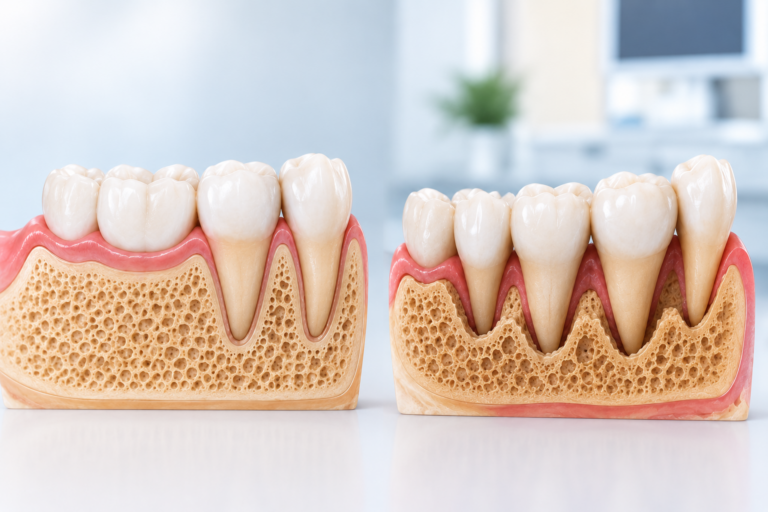
Periodontal disease is a common inflammatory condition that affects the supporting structures of the teeth, including the gums, bone, and ligaments. Although this disease is often overlooked in favor of more pressing health concerns, the links between periodontal disease and systemic diseases have garnered increasing attention in the medical community. The chronic inflammation that occurs in the gums can have profound effects on other parts of the body, contributing to cardiovascular diseases, diabetes, and even cognitive decline.
At Keystone Periodontal, we understand the complex relationship between oral health and overall health. In this blog, we’ll delve into how periodontal disease is linked to systemic diseases and why frequent periodontal maintenance visits are crucial for optimal dental and overall health.
How Periodontal Disease Contributes to Systemic Disease
Periodontal disease involves the accumulation of plaque and bacteria below the gumline, leading to chronic inflammation. As the disease progresses, the bacteria can enter the bloodstream, creating a pathway for the infection to affect various organs and systems in the body. This chronic inflammation plays a significant role in the development or exacerbation of several systemic diseases.
Cardiovascular Disease (CVD)
One of the most well-documented links between periodontal disease and systemic health is its impact on cardiovascular disease. Research indicates that the inflammation associated with periodontal disease contributes to atherosclerosis, the buildup of plaque in the arteries, which can lead to heart attacks, strokes, and other cardiovascular conditions. In fact, individuals with severe periodontitis have a significantly higher risk of developing cardiovascular events.
The Atherosclerosis Risk in Communities (ARIC) study found a strong association between periodontal disease and the formation of atheromas, or fatty deposits in the arteries, further confirming the relationship between oral and heart health. This connection highlights the need for regular periodontal care to help mitigate risks associated with cardiovascular disease.
Premature Labor and Low Birth Weight
Periodontal disease can also affect women, particularly during pregnancy. Studies suggest a link between periodontal disease and preterm labor and low birth weight. The inflammatory markers associated with periodontal disease can affect the developing fetus, leading to complications such as premature birth and low birth weight. Pregnant women are encouraged to maintain optimal oral health to reduce the risks of such adverse outcomes.
Pregnancy itself is a state of heightened inflammation, and when periodontal disease is present, it can worsen this condition. Some studies suggest that the inflammatory response in periodontal disease could stimulate early labor and affect the placental development, leading to early birth. Good oral health practices, including regular periodontal care, can mitigate the chances of these complications, giving both the mother and the baby a healthier future.
Cognitive Decline and Alzheimer’s Disease
Emerging research has suggested that periodontal disease may also contribute to early cognitive decline and diseases such as Alzheimer’s. Chronic inflammation, which is a hallmark of periodontal disease, can exacerbate neurodegenerative processes. Inflammation in the mouth can lead to the production of inflammatory cytokines that affect the brain. It potentially accelerates cognitive decline and increases the risk of neurodegenerative disorders.
The pathway through which periodontal disease impacts cognitive health is believed to be through the systemic spread of inflammatory markers and bacteria, both of which contribute to neurodegenerative conditions. Research has shown that the presence of periodontal disease can increase levels of inflammatory cytokines, which can worsen Alzheimer’s disease and other forms of dementia. By managing periodontal disease, it may be possible to slow the progression of these cognitive disorders.
“As a periodontal specialist, I emphasize the importance of treating gum disease to protect your overall health. Chronic inflammation from periodontal disease can significantly affect your cardiovascular health, increase the risk of diabetes, and even contribute to cognitive decline. Regular periodontal care is essential for improving both oral and systemic health.”
The Pathophysiology: How Periodontal Disease Affects the Body
Inflammatory Mechanisms and Systemic Impact
Periodontal disease initiates a cascade of immune responses, triggering the production of inflammatory mediators such as tumor necrosis factor-alpha (TNF-α), interleukin-1 (IL-1), and interleukin-6 (IL-6). These inflammatory molecules can enter the bloodstream, causing a systemic inflammatory response. Patients with periodontal disease often show elevated levels of C-reactive protein (CRP), a marker of inflammation, which has been linked to several systemic diseases, including heart disease and diabetes.
Systemic Inflammation and Shared Risk Factors
The relationship between periodontal disease and systemic diseases is often influenced by shared risk factors, including smoking, diabetes, and poor oral hygiene. These factors contribute to both periodontal disease and systemic inflammation, creating a cycle that exacerbates the effects of both conditions. Smokers, in particular, are at a higher risk of developing severe periodontal disease and related systemic issues, including cardiovascular disease and diabetes.
The Importance of Frequent Periodontal Maintenance Visits
Given the systemic implications of periodontal disease, regular maintenance visits every 3 to 4 months are essential to managing the condition and reducing its impact on overall health. Professional care plays a key role in controlling inflammation, cleaning the gums, and preventing the spread of harmful bacteria.
Benefits of Frequent Maintenance Visits:
- Reduced Inflammation: Regular cleanings and check-ups help reduce inflammation in the gums and surrounding tissues, preventing the progression of periodontal disease.
- Better Oral Hygiene: Periodontal maintenance visits ensure that plaque and tartar are removed, helping to maintain optimal oral hygiene and prevent further infection.
- Lower Risk of Systemic Disease: By controlling periodontal disease, you reduce the risk of developing or exacerbating conditions like heart disease, diabetes, and cognitive decline.
- Early Detection of Issues: Frequent visits allow for early detection of any issues related to gum health and ensure that potential complications are addressed before they become more serious.
Preventive Care and Treatment
In addition to professional cleanings, periodontal maintenance visits often include scaling and root planing, which removes plaque and tartar from below the gumline. This non-surgical treatment helps promote healing and restore gum health. For patients with more advanced periodontal disease, additional treatments such as gum surgery may be necessary to manage the condition and protect overall health.
Why Choose Keystone Periodontal?
At Keystone Periodontal, we are committed to providing comprehensive care that prioritizes both your oral and overall health. We recognize the strong links between periodontal disease and systemic conditions, and our team of experts is dedicated to helping you manage your oral health to prevent or reduce the risk of complications. Our goal is to ensure that every patient receives personalized care with the latest advancements in periodontal treatment. Whether you’re looking for routine care or advanced treatment, our team is here to guide you toward optimal health.
We understand the impact that periodontal disease can have on your quality of life and overall well-being. Furthermore, we are here to help you maintain your health with the highest level of care and attention. Trust us to provide the best periodontal care for your unique needs.
Frequently Asked Questions (FAQs)
- What is periodontal disease, and how does it affect my health?
Periodontal disease is an inflammatory condition affecting the tissues that support the teeth. It is linked to various systemic diseases, including heart disease, diabetes, and cognitive decline. - How often should I visit the dentist for periodontal maintenance?
It is recommended that you visit your dentist every 3 to 4 months for periodontal maintenance visits to prevent the progression of periodontal disease and reduce its impact on your overall health. - Can periodontal disease cause heart disease?
Yes, research has shown that the inflammation associated with periodontal disease can contribute to the development of atherosclerosis, increasing the risk of heart disease and stroke. - Is there a link between periodontal disease and diabetes?
Yes, periodontal disease and diabetes share common risk factors, and periodontal inflammation can exacerbate the severity of diabetes by affecting blood sugar control. - Can periodontal disease affect pregnancy?
Yes, periodontal disease has been linked to an increased risk of preterm labor and low birth weight in pregnant women, highlighting the importance of maintaining oral health during pregnancy.
The Summary
Periodontal disease is more than just an oral issue. It has significant implications for systemic health. The link between periodontal disease and conditions such as heart disease, diabetes, premature labor, and cognitive decline underscores the importance of maintaining optimal oral health. Regular periodontal maintenance visits every 3 to 4 months are crucial for managing this disease and reducing its risk to your overall health.
At Keystone Periodontal, we are dedicated to helping you achieve and maintain optimal oral health with personalized care and the latest advancements in periodontal treatment. Your health is our priority, and we are here to guide you every step of the way toward a healthier future.