Bone graft healing is measured in months, not days. That catches many people off guard. The gum tissue over a graft site can look closed and calm within a couple of weeks, but the bone underneath is still rebuilding long after the soreness fades. Clinicians generally put full bone graft healing time at 3 to 6 months, and some grafts need longer before they can support a dental implant.
If you are scheduled for grafting at a periodontal practice in Reading, PA, knowing what happens week by week makes the waiting feel less open ended. Below is the timeline most sources describe, along with the practical details that shape how fast your own graft progresses.
Why a Bone Graft Is Needed in the First Place
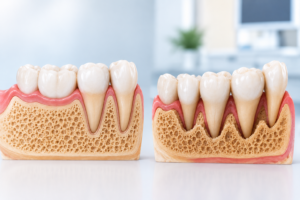
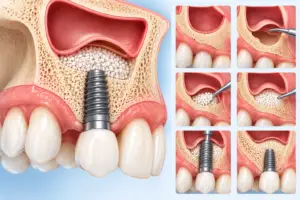
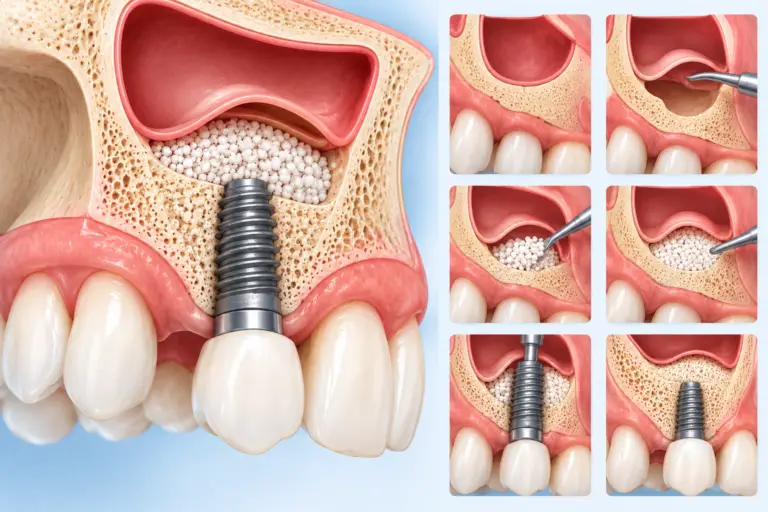
A bone graft is a filler and a scaffold. The graft material forms a matrix that your own bone cells migrate into, gradually replacing the graft with living bone. That process is why grafting is so closely tied to dental restorations such as bridge work and dental implants.
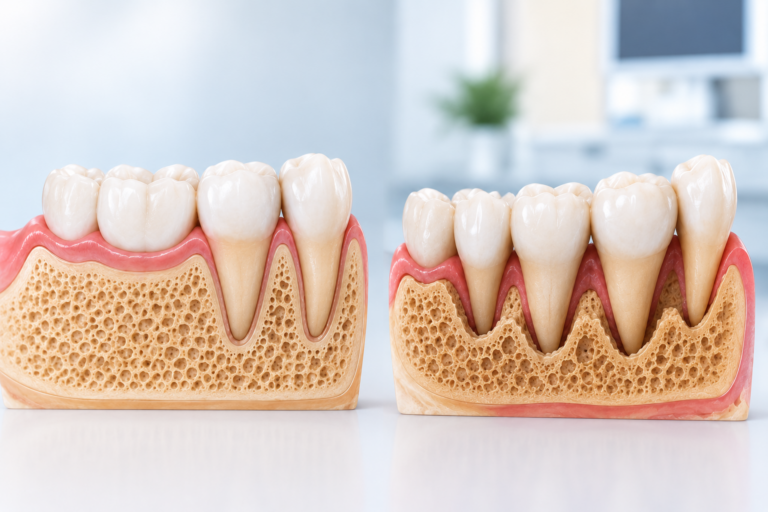
The success of those restorations often hinges on the height, depth, and width of the jawbone at the implant site. When the jawbone has receded or been damaged, an implant cannot be supported on that unstable foundation, and grafting is usually recommended before the final restoration.
Periodontal disease is one of the major factors that affects jaw bone volume, because it can permanently damage the bone that holds teeth in place. That is one reason a periodontal practice is often the setting where grafting is planned and performed. Tooth loss, long-standing gum disease, and the shape of the ridge all feed into the same question: is there enough solid bone to build on?
The Bone Graft Healing Timeline at a Glance
Healing moves through recognizable stages. The windows below are typical, not fixed, and your own schedule depends on the size and location of the graft.
| Phase | Typical window | What is happening |
|---|---|---|
| Inflammation | 0 to 2 weeks | The surgical site clots, swelling peaks and subsides, and the body clears debris while new blood vessels begin to form. |
| Revascularization | 2 to 8 weeks | Blood supply returns to the grafted area, bringing the cells and nutrients that new bone depends on. |
| Bone formation | 8 to 24 weeks | Your bone cells move into the graft matrix and begin laying down new bone through the scaffold. |
| Remodeling and maturation | Months, sometimes longer | The new bone thickens and reorganizes into a load-bearing structure. One clinical overview notes this stage can run months or even years. |
Weeks 1 and 2: Inflammation and the First Checkpoint
The first two weeks are about protecting what was just built. A certain degree of swelling and some pain during the initial few days after the procedure is normal, and most people begin feeling better within a week or two. The graft material itself is not yet fused to anything, so the site is vulnerable.
This is the stretch where following your post-operative instructions matters most. Keeping the mouth clean and avoiding anything that disturbs the site gives the clot and the graft material a chance to stabilize. Skipping that step does not just cause discomfort, it can compromise the foundation the graft is meant to create.
Weeks 2 to 8: Revascularization
Once the initial inflammation settles, the body rebuilds the blood supply to the grafted region. New vessels move into the area, which is what allows bone-forming cells to reach the graft matrix and start working.
From the outside, this phase looks uneventful. The gum may be fully closed, tenderness is usually gone, and eating feels normal again. Under the surface, though, the graft is transitioning from an inert filler into a living part of the jaw. It is common for patients to assume healing is finished at this point. It is not.
Weeks 8 to 24: New Bone Formation
This is the phase that determines whether the graft will support an implant. Your bone cells migrate into the graft matrix and deposit new bone, slowly replacing the graft material with your own tissue.
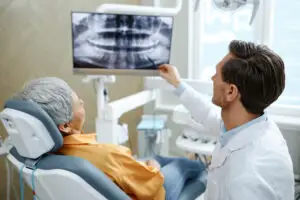
Because so much happens invisibly, this is where the calendar becomes the main tool. A graft can look and feel completely healed while it is still firming up. Your clinician tracks progress with imaging rather than symptoms, which is the only reliable way to judge how much solid bone has formed.
How Long Until an Implant Can Be Placed?
This is the question most patients actually want answered. The ranges in the sources overlap considerably:
- Bone graft healing time is commonly described as taking 3 to 6 months to complete.
- One source puts healing and recovery at 3 to 4 months, and notes it can take longer than four months for the graft to merge with your natural bone.
- Some grafts heal rapidly enough to place an implant in just a few months, while others may take half a year or longer.
- Recovery varies widely between people: some return to their daily routine within a few weeks, while others need a year before moving forward with dental implants.
Those ranges are wide because grafts are not identical. A small graft in a contained site and a large ridge augmentation are different problems with different healing demands. Your own timeline is best set after your clinician reviews the site directly, which is why a specific date is usually confirmed at a follow-up visit rather than on the day of surgery.
What Recovery Actually Feels Like
The pain and the healing run on different clocks. Discomfort and swelling are concentrated in the first few days after surgery, and most people feel substantially better within a week or two. Daily routines often resume within a few weeks.
The bone, however, keeps working for months afterward. That mismatch is the single most useful thing to understand about grafting: feeling normal does not mean the graft has matured, and a quiet jaw does not mean the process has stalled.
What Supports Proper Healing
The instructions your surgical team gives you are not generic advice. They are aimed at the specific window when a graft is most vulnerable. Two themes show up consistently in clinical guidance.
Follow the post-operative care instructions closely. These cover what to eat, how to clean the area, and which activities to hold off on while the site stabilizes. Deviating from them early is one of the few things within your control that can set healing back.
Keep your mouth clean. Maintaining oral hygiene around a healing graft reduces the risk of complications and supports the environment new bone needs. If you are unsure how to clean near the site without disturbing it, ask rather than guess.
Beyond that, the most honest answer is that time does the work. Bone formation is a biological process with its own pace, and no shortcut reliably compresses it.
Questions Worth Asking at Your Reading Consultation
Appointments go quickly, so it helps to arrive with specifics. Consider asking:
- How large is the grafted area, and what healing window do you expect for it?
- When will you re-image the site to confirm new bone formation?
- What signs would mean I should call the office between visits?
- What can I do in the first two weeks to protect the graft?
- If an implant is planned, when would that step realistically happen?
Write the answers down. A timeline that felt clear in the chair is easy to lose track of three weeks later.
Frequently Asked Questions
How long does bone graft healing take in total?
Most sources place complete bone graft healing at 3 to 6 months. One overview describes a 3 to 4 month recovery window and notes it can stretch beyond four months for the graft to merge with your natural bone. Remodeling continues after that, sometimes for much longer. Your clinician confirms maturity with imaging rather than how the site feels.
Can I return to work after a bone graft?
Many patients return to their daily routine within a few weeks, and most begin feeling better within a week or two after surgery. What you do for work matters, since physically demanding jobs may need more time than desk work. Your surgical team can advise based on the size and location of your graft.
How soon after grafting can a dental implant be placed?
Placement depends on how quickly new bone matures. Some grafts heal rapidly enough for an implant in just a few months, while others take half a year or longer. Your clinician will assess bone volume at the site, since implant success hinges on adequate height, depth, and width of jawbone.
Is swelling normal in the first few days?
Yes. A certain degree of swelling and some pain during the initial few days after the procedure is normal and expected. Most people feel noticeably better within a week or two. Contact your periodontal office if swelling increases after it should be settling, or if you have concerns about how the site looks.
What can I do to help the graft heal properly?
Two things come up consistently in clinical guidance: follow your care instructions and keep your mouth clean. Those steps protect the graft during the early weeks when it is most vulnerable. Bone formation itself runs on its own schedule, so patience in the months that follow is part of the process.
Bone graft healing rewards a long view. The first two weeks are about protection, the next several months are about quiet, steady bone production, and the payoff is a foundation strong enough to hold a restoration for years. If you are planning a graft or waiting on one now, keep your follow-up appointments and treat the timeline as a range rather than a deadline. Keystone Periodontal Group in Reading, PA can walk you through where your site stands and what comes next.