
Have you noticed that your teeth look longer than they used to? Maybe your gums bleed when you brush, or hot coffee and cold ice cream suddenly make you wince. These can be signs of gum recession, also called gingival recession, a progressive loss of gum tissue that can eventually expose the roots of your teeth if left untreated. For people looking for gum recession help in Reading, PA, understanding what causes the condition, how it is treated, and what you can do to prevent it is the first step toward protecting your smile.
What Is Gum Recession?
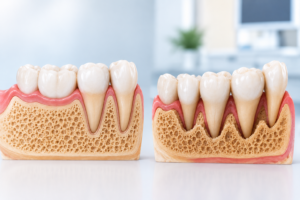
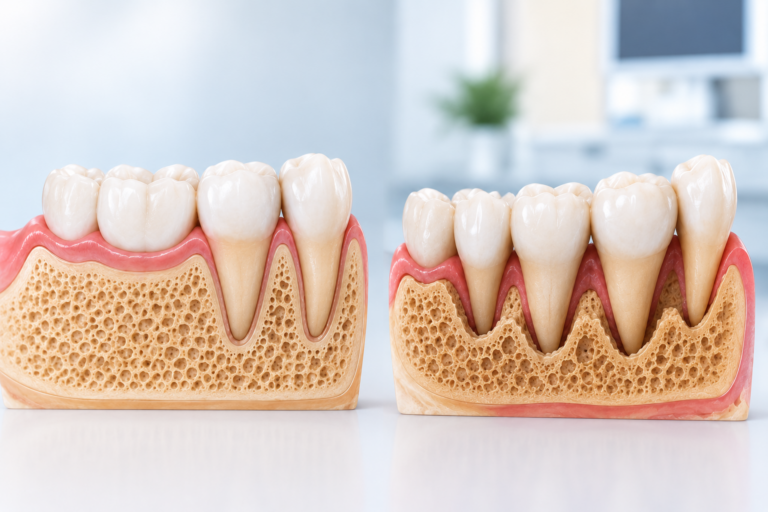
Gum recession refers to the progressive loss of gum tissue. As the gum line moves back, more of the tooth becomes visible, and the sensitive root surfaces underneath lose the protection they need. People often notice that their teeth appear longer than before, or they feel a notch near the gumline. The exposed roots can make teeth sensitive to hot drinks, cold foods, or even the touch of a toothbrush. While a receding gum line changes how your smile looks, it is also a health concern because the tissue that supports your teeth is slowly being reduced.
Common Causes of Gum Recession
Gum recession can happen for a variety of reasons, and often more than one cause is at work. The most common contributing factors include:
- Brushing too hard
- Clenching or grinding teeth
- Gum disease
- Genetics
- Aging
Gum disease deserves special attention because it is a bacterial infection of the gums and the bone that support the teeth. It is usually brought on by a lack of oral hygiene, and it can quietly damage the supporting structures of your teeth over time. When gum disease is left untreated, it can ultimately lead to tooth loss. That is why recognizing the connection between gum disease and receding gums is so important for anyone hoping to keep their natural teeth for life.

Warning Signs and Symptoms
Your gums give you clues when something is wrong. The following warning signs may indicate gum recession or the early stages of gum disease:
- Gums that bleed easily
- Red, swollen, or tender gums
- Gums that have pulled away from the teeth
- Persistent bad breath or a bad taste in the mouth
Teeth that appear longer than before, sensitivity to hot or cold temperatures, and visible notches along the gumline are also common indicators that gum tissue has pulled away and exposed the roots. Because gum recession often develops slowly, you may not notice it until a dental visit or an obvious symptom appears. That makes routine gum screening an important part of dental care.
Why Early Care Matters
Gum disease is an infection of the tissues that surround and support your teeth, and it starts with plaque, the sticky film of bacteria that constantly forms on teeth. The sooner gum disease is detected, the easier it is to treat. The same idea applies to gum recession. Because it is a progressive condition, waiting usually means more gum tissue is lost and more of the tooth root becomes exposed. Periodontal treatment is designed to help restore your overall oral health and protect the gums and bone that hold your teeth in place. If you have been postponing a dental visit, this is one condition where timing can make a real difference.
Gum Recession Treatment in Reading, PA
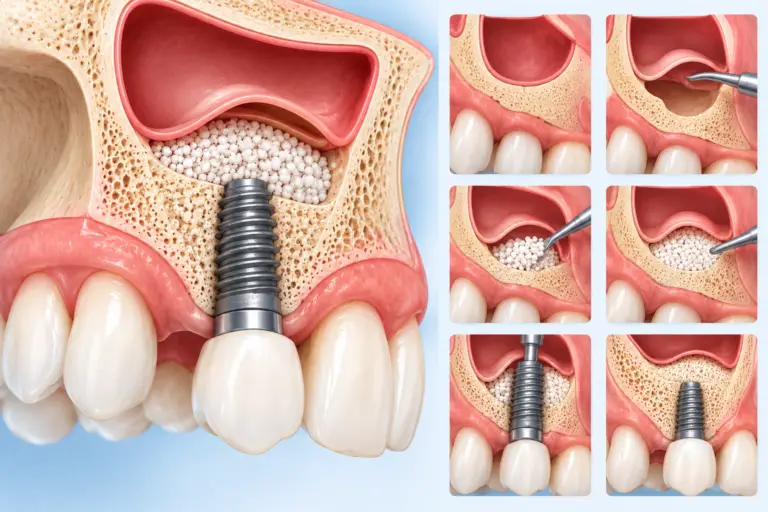
Residents of Reading, PA, have access to specialized periodontal care close to home. Keystone Periodontal Group is a periodontist practice located at 27 Village Center Drive, Reading, PA 19607. It is a female-owned, private practice that focuses on the health of your gums, teeth, jaw, and smile. The practice provides specialized gum care, including gum grafting and gum recession therapy, to restore and maintain oral health. If you are experiencing receding gums, a periodontist can evaluate the amount of tissue loss, check the health of the supporting bone, and identify contributing factors such as gum disease or grinding habits.
Several dental offices in the greater Reading area also offer periodontal screening and treatment for early gum disease. A routine dental appointment often includes a check of your gum tissue, especially if you mention symptoms such as bleeding, tenderness, or teeth that feel longer. However, when gum recession is more advanced, a referral to a periodontist may be the best path forward because these specialists have advanced training in treating the gums and the structures that support your teeth.
How to Prevent Gum Recession
Prevention starts with understanding the habits and conditions that contribute to receding gums. Because brushing too hard is one of the most common causes, take a close look at your technique. Use a toothbrush with soft bristles and gentle pressure. Brushing aggressively does not clean your teeth better, but it can push the gum tissue back over time.
If you clench or grind your teeth, mention it to your dentist or periodontist. This added pressure can strain the gums and supporting tissues, so finding ways to protect your teeth can help prevent recession from getting worse. Practicing consistent oral hygiene also helps prevent gum disease, which is a major cause of gum tissue loss. Finally, do not wait until symptoms appear to schedule a dental visit. Many practices in the Reading area screen your gums whenever you come in, which allows problems to be caught before they progress. September is National Gum Care Month, making it a useful time of year to schedule a checkup if you have been putting one off.
When to Schedule a Periodontal Evaluation
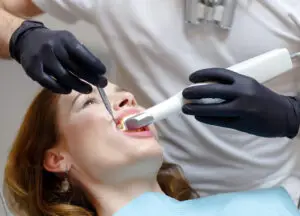
A periodontal evaluation is the clearest way to understand what is happening with your gums. During this exam, a periodontist measures how much gum tissue has been lost, checks the health of the bone that supports the teeth, and looks for signs of gum disease. This type of evaluation is especially important if you have noticed any of the warning signs mentioned above, including gums that bleed easily, red or swollen tissue, persistent bad breath, or teeth that appear longer than they once did.
If you are searching for gum recession care in Reading, PA, you can contact Keystone Periodontal Group at (610) 777-7002 to learn more or to schedule an appointment. Early evaluation can give you a clearer picture of your oral health and the treatment options that may help protect your gums, your roots, and your smile for years to come.
Frequently Asked Questions
What causes gums to recede?
Gum recession can result from several causes, including brushing too hard, clenching or grinding teeth, gum disease, genetics, and aging. Gum disease is a bacterial infection of the gums and supporting bone, and it is often linked to inadequate oral hygiene. Because more than one factor can be involved, a periodontal evaluation is the best way to identify what is contributing to your receding gums.
What are the early warning signs of gum recession?
Early warning signs include gums that bleed easily, red or swollen gums, tender tissue, gums that have pulled away from the teeth, and persistent bad breath or a bad taste. Teeth may also appear longer than before or feel sensitive to hot and cold foods. These symptoms should not be ignored, since gum recession is a progressive condition that can worsen without care.
How is gum recession treated in Reading, PA?
Treatment depends on the severity of the recession and the condition of the surrounding gums and bone. Periodontists such as Keystone Periodontal Group in Reading, PA provide specialized gum care, including gum grafting and gum recession therapy, to protect exposed roots and restore gum health. A thorough evaluation is needed first to determine which approach fits your specific situation.
Can gum recession get worse if I do nothing?
Gum recession is a progressive loss of gum tissue, which means it can continue to advance if the underlying cause is not addressed. Over time, more of the tooth root can become exposed, and gum disease, if present, can damage the bone supporting your teeth. Seeking a professional evaluation early is the best way to prevent further tissue loss.