
Gum recession is something many people don’t notice until it’s already become a problem. It’s a serious condition that can lead to tooth sensitivity, decay, and even tooth loss if left untreated. The good news is that gum recession is often preventable. With simple changes to your daily habits and consistent care, you can protect your gums and maintain a healthy smile.
In this blog, we’ll break down what gum recession really is, why it happens, and what you can do to prevent it effectively. Whether you’re noticing early signs or just want to stay ahead of any dental issues, this guide is designed to help you take charge of your gum health in a way that’s practical and easy to follow.
Key Takeaways
- Gum recession is preventable with proper oral care and lifestyle habits
- Brushing technique, diet, and dental visits all play a role
- Treatments are available, but prevention is easier and less costly
- Early action can protect your smile long-term.
What Is Gum Recession?

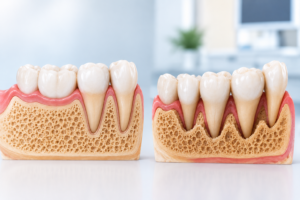
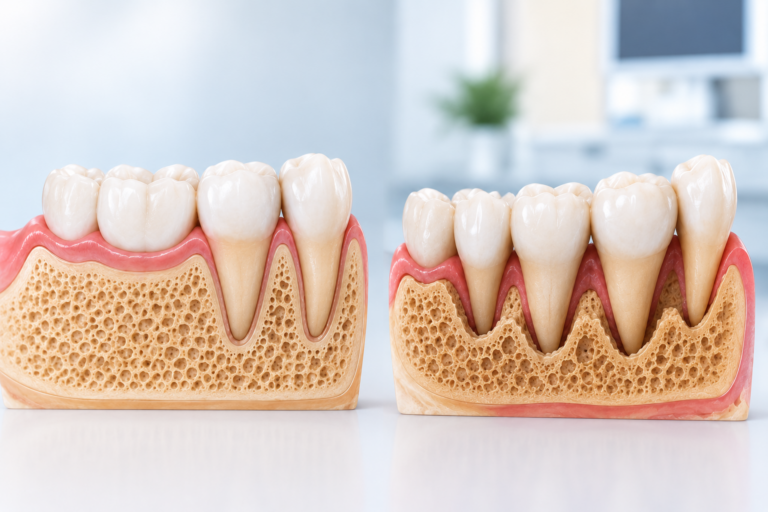
Gum recession happens when the gum tissue around the teeth wears away or pulls back. This exposes more of the tooth, and in some cases, even the root. As a result, teeth may appear longer and become more sensitive to temperature changes or certain foods. Left unchecked, recession can lead to serious oral health issues, including tooth decay, infection, and eventual tooth loss. Moreover, it’s important to understand that gum recession doesn’t happen overnight. It’s usually the result of several contributing factors that build up over time. Knowing what causes it is the first step in preventing it.
Common Causes of Gum Recession
Periodontal Disease: This is one of the most common causes of gum recession. Periodontal disease, also known as gum disease, is an infection of the tissues that support your teeth. It’s usually the result of plaque buildup that, if left untreated, can cause inflammation and destruction of gum tissue and bone.
Aggressive Brushing: Brushing too hard or using a hard-bristled toothbrush can wear away your gum tissue over time. This often happens when people believe brushing harder means cleaner teeth. The truth is, gentle and thorough brushing with a soft-bristled brush is more effective and much safer for your gums.
Poor Oral Hygiene: Skipping brushing or flossing, or not cleaning thoroughly, allows plaque to build up along the gumline. Over time, this can lead to gum irritation, infection, and eventually recession. Consistent daily care is essential.
Misaligned Teeth or Bite Problems: When teeth are out of alignment, they can place uneven pressure on the gums and bone during biting and chewing. This added pressure can cause gum tissue to recede.
Hormonal Changes: Women may experience gum sensitivity and vulnerability due to hormonal changes during puberty, pregnancy, and menopause. These fluctuations can make the gums more reactive to plaque and bacteria.
Tobacco Use: Tobacco slows down healing and affects blood flow to the gums. Both smoking and chewing tobacco are known to increase the risk of gum disease and recession.
Age: As we age, the gums naturally begin to recede due to years of brushing, eating, and general wear. Older adults are at greater risk, especially if they have had inconsistent oral care over the years.
Stress and Teeth Grinding: Grinding your teeth, especially at night, can put pressure on the gums and teeth, leading to gum recession. Chronic stress also lowers the immune response, making it harder for the body to fight off infections like gum disease.
How to Prevent Gum Recession: Useful Tips
Taking preventive steps is essential to protect your gums before recession starts. This includes both daily habits and long-term choices.
Adopt Good Oral Hygiene Habits: Brushing twice a day with a soft-bristled toothbrush and fluoride toothpaste is the foundation of gum health. Use small circular motions and avoid scrubbing back and forth. Flossing daily removes plaque from between the teeth and below the gumline where your toothbrush can’t reach.
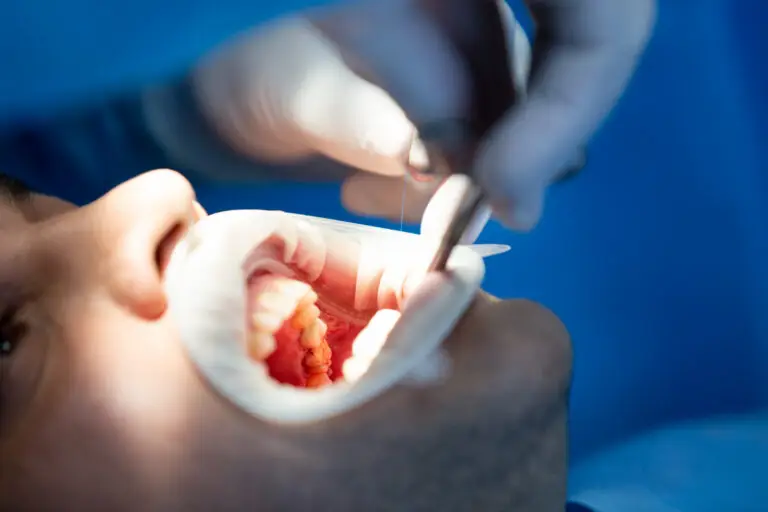
Visit Your Dentist Regularly: Regular dental checkups are vital. Dentists can spot early signs of gum recession and provide treatment before it becomes serious. Professional cleanings also remove tartar that you can’t remove with brushing alone.
Use the Right Tools: An electric toothbrush with a pressure sensor can help prevent overbrushing. Your dentist may also recommend a water flosser if you have trouble using traditional floss.
Manage Your Bite and Teeth Alignment: If your teeth are misaligned, consider orthodontic treatment to reduce uneven pressure. A custom night guard may be advised if you grind your teeth while you sleep.
Make Lifestyle Changes: Quit smoking or chewing tobacco to improve your gum health. Reducing stress through exercise, meditation, or therapy can also reduce grinding and improve immune response.
Eat a Balanced Diet: A diet rich in vitamins and minerals, especially Vitamin C and calcium, supports gum health. Leafy greens, citrus fruits, dairy, and nuts are great choices. Avoid excessive sugar and acidic foods, which can feed harmful bacteria and erode enamel.
Stay Hydrated: Drinking plenty of water helps wash away food particles and keeps your mouth clean throughout the day. It also supports saliva production, which plays a natural role in keeping bacteria in check.
Monitor Your Gums: Pay attention to changes in your gums. If you notice teeth looking longer, more sensitivity, or small pockets forming at the gumline, it’s time to call your dentist.
“Preventing gum recession starts with small, consistent habits. At Keystone, we help patients understand their risk and take simple steps to protect their smile every day.” — Dr. Amanda Clemente, Keystone Periodontal Group
Treatment Options for Gum Recession
Even with the best dental care, gum recession can still occur for some individuals. Fortunately, there are several effective treatments to manage the condition and protect your oral health. Non-surgical options like scaling and root planing remove plaque and tartar from beneath the gumline and smooth the root surfaces to support healing. Your dentist may also recommend antimicrobial rinses or prescribe antibiotics to reduce bacteria. In many cases, improving your daily brushing and flossing habits can significantly slow or prevent further recession.
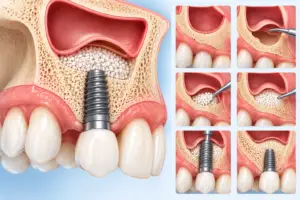
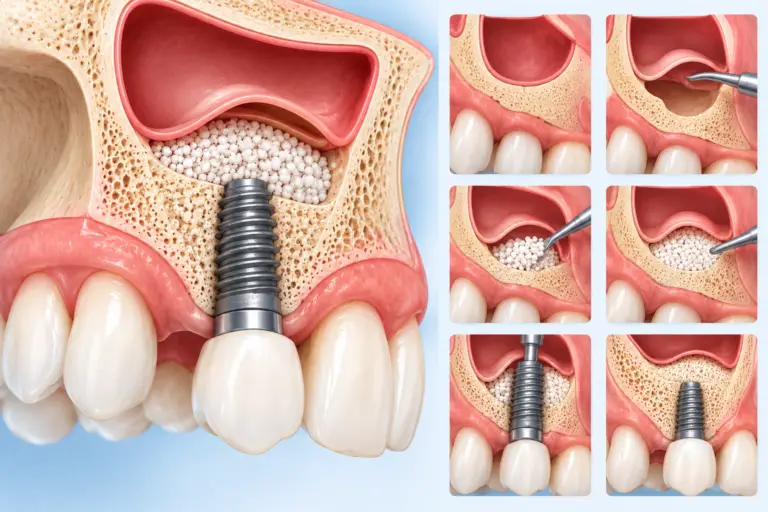
When the recession is more advanced, surgical treatments may be needed. Gum graft surgery involves using tissue from another area of your mouth to cover exposed roots and restore the gumline. Pocket reduction gently lifts the gums for deep cleaning and then repositions the tissue securely. Laser therapy offers a less invasive approach by removing diseased tissue with greater precision and comfort. New treatments like platelet-rich plasma therapy are also being explored to promote faster healing and better tissue regeneration using your body’s own cells.
Why Choose Keystone Periodontal?
At Keystone Periodontal Group, we take gum health seriously. Dr. Amanda Clemente and the skilled team offer advanced periodontal care in a comfortable and supportive environment. We focus on personalized prevention plans, using the latest technology and treatments that align with each patient’s needs. From early diagnosis to precision treatment, we aim to keep your smile strong and your gums healthy for life. Our care is thorough, compassionate, and focused on helping you understand and manage your oral health confidently. Therefore, we highly recommend you experience our services once and then feel the difference in the quality of services the Keystone Periodontal team provides.
The Final Thought
By understanding the causes and solutions for gum recession, you can take proactive steps today to preserve your oral health for the long term. Prevention is always the best treatment, and small changes can make a big difference.
Frequently Asked Questions
1. Can gum recession grow back naturally?
Unfortunately, gum tissue does not regenerate on its own. However, treatment can stop the progression and improve appearance and function.
2. What toothbrush should I use to prevent gum recession?
Always choose a soft-bristled toothbrush and brush gently in circular motions. An electric brush with a pressure sensor can be helpful, too.
3. Is gum graft surgery painful?
Most patients experience mild discomfort, which can be managed with pain relievers. Healing typically takes a few weeks, and your periodontist will guide you through recovery.
4. Can diet really affect my gum health?
Yes. A balanced diet rich in vitamins, especially vitamin C and calcium, can help strengthen gum tissue and support your body’s ability to fight infection.
5. How often should I visit the dentist to prevent gum issues?
Twice a year is the general recommendation, but those at higher risk for gum issues may need more frequent visits. Your dentist can provide a schedule that suits your needs.