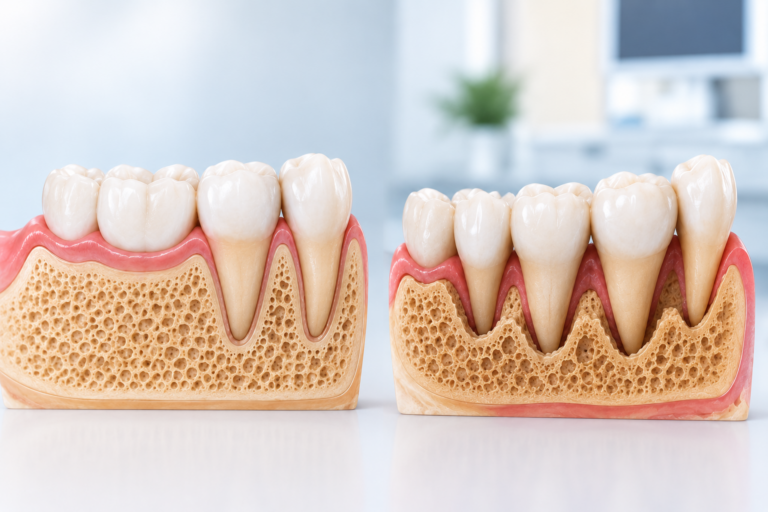
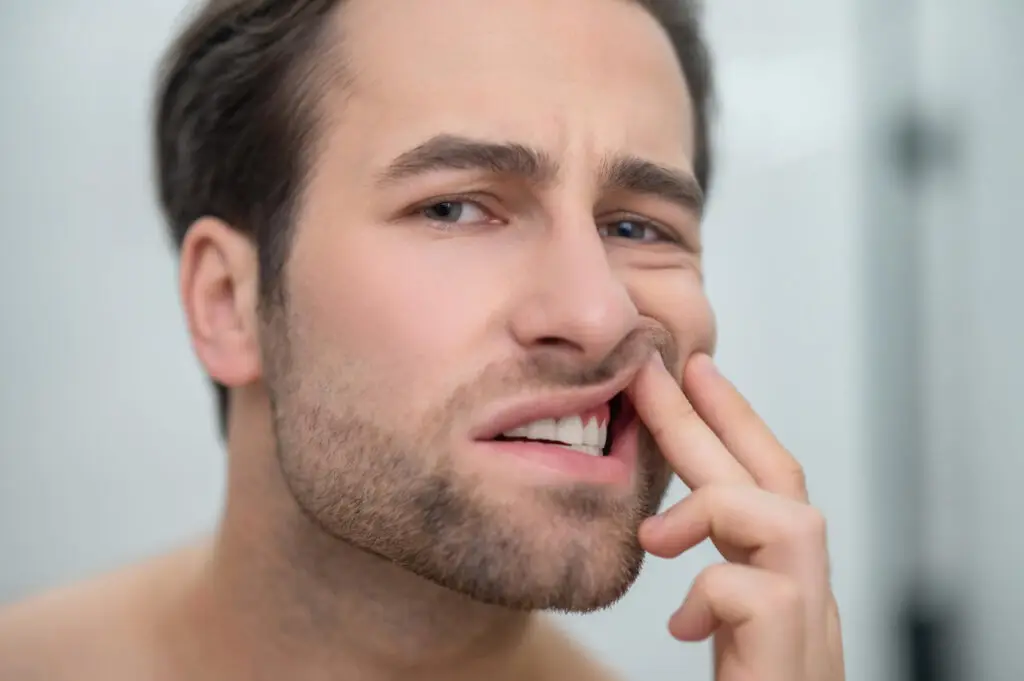
If your teeth suddenly look longer than they did a few years ago, you are not imagining it. Gum recession happens when the gum tissue around your teeth wears away or pulls back, exposing more of the tooth and sometimes the root underneath. It is one of the most common reasons people start searching for answers, and almost everyone wants to know the same thing first: can gum recession be reversed?
The honest answer has two parts. Lost gum tissue does not grow back on its own, so natural regrowth is not something to expect. At the same time, the word reversed is not entirely wrong. In early stages, the right care can halt recession or improve it slightly, and modern surgical treatment can rebuild a gum line that has already receded. What is possible depends heavily on how far the recession has progressed and what caused it.
What the Evidence Says About Reversing Gum Recession
Gum recession cannot naturally reverse itself once gum tissue has been lost. Receding gums do not grow back on their own through brushing, rinsing, or simply waiting. However, appropriate treatment can help protect the remaining tissue, address the underlying cause, and prevent the recession from progressing.
The important distinction is between natural regrowth and clinical restoration. While the body cannot regenerate gum tissue that has already receded, periodontal treatments can restore coverage around exposed tooth roots and improve the appearance and health of the gum line.
The right treatment depends on factors such as the extent of recession, its underlying cause, gum health, and the condition of the affected tooth. A periodontal evaluation can help determine whether monitoring, preventive care, or a procedure such as gum grafting is appropriate.
Why Gum Tissue Does Not Grow Back Naturally
Gum tissue does not behave like skin on your arm, which can knit itself back together after a scrape. Once the tissue around a tooth recedes, it stays gone. Home remedies, oils, and specialty toothpastes may feel soothing, but none of them rebuild tissue that has already been lost. A review of home remedies for recession makes this clear: gum recession can’t be reversed with home care alone.
That does not make home care pointless. The same review points out that your daily routine still plays a huge role in protecting your gums. The goal of home care is not regrowth. It is stopping the damage from continuing, which is the only way to keep a mild recession from becoming a serious one.
What Causes Gum Recession in the First Place
Gum recession can develop for several reasons rather than from one single cause. Common contributing factors include brushing too aggressively, smoking, gum disease, genetics, and the natural shape or position of the teeth. Repeated pressure from forceful brushing can gradually irritate or wear down the gum tissue, while smoking can affect overall gum health. Some people may also be more susceptible because of naturally thin gums or other anatomical factors.
Because the causes can vary, treatment also depends on what is driving the recession. Someone whose gums are receding because of aggressive brushing may need to change their brushing technique, while recession associated with gum disease may require periodontal treatment. Identifying the underlying cause is an important first step toward protecting the gums and choosing the appropriate treatment.
Symptoms That Signal It Is Time for an Evaluation
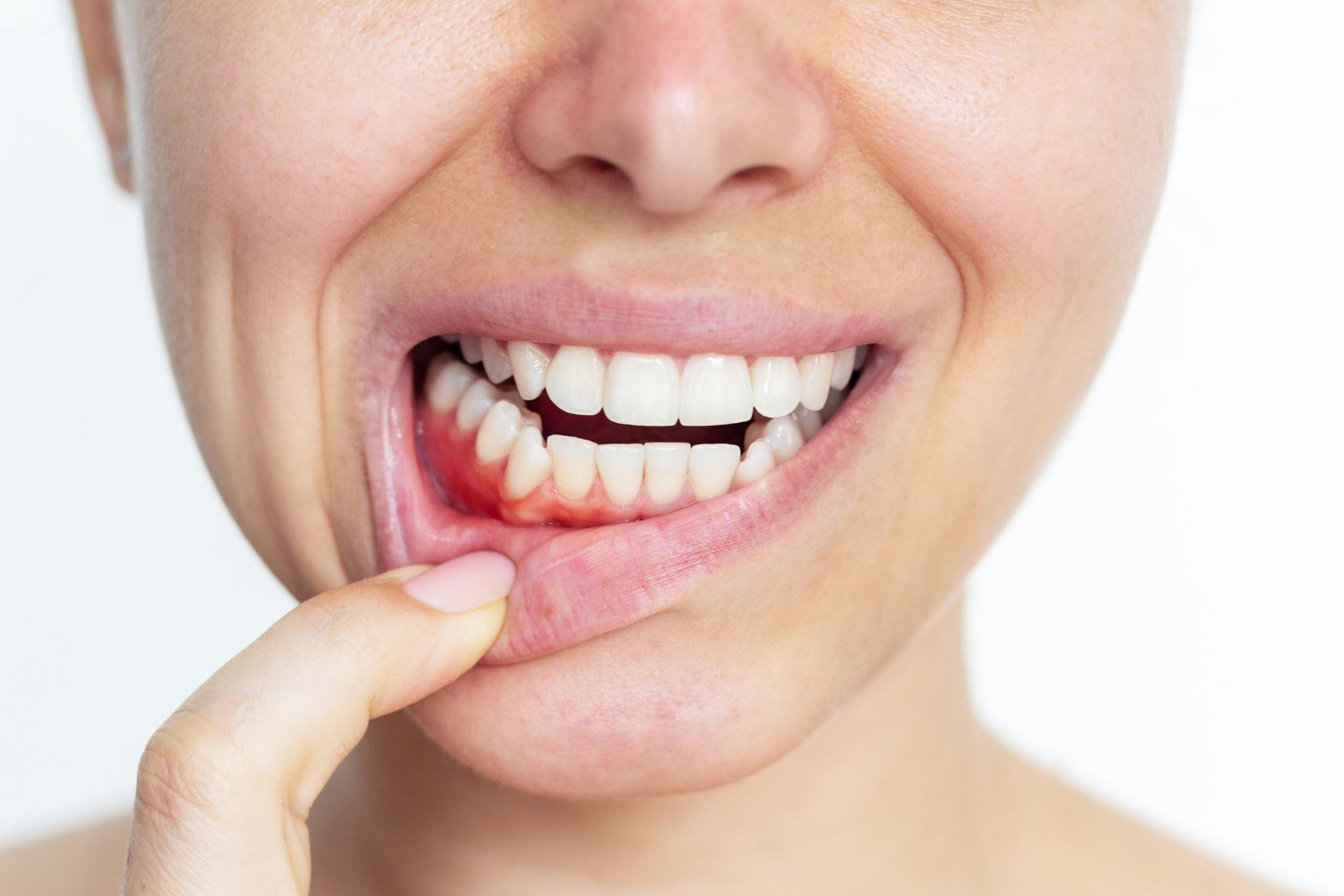
Recession does not always announce itself, which is one reason people are surprised when a dentist mentions it. Common signs include teeth that look longer than they used to, sensitivity, loose teeth, and bad breath. Exposed roots are often the reason cold drinks suddenly bother you, because the root surface was never meant to be uncovered.
Long before those symptoms appear, a clinician can measure the gum line and track changes over time. That is part of why regular professional cleanings matter. They are also one of the few interventions that research links to actually improving early recession.
When Gum Recession Can Be Halted or Partly Reversed
Here is where the nuance lives. In early stages, improved oral hygiene and professional cleanings may halt or slightly reverse gum recession. That is a meaningful exception to the blanket statement that recession cannot be reversed, and it is the reason early evaluation matters so much.
Early-stage recession
When recession is mild and the cause is something controllable, such as brushing technique, the gum line may stabilize or improve slightly with better hygiene and professional care. Any improvement is usually modest. No one should expect a full return to an earlier gum line through hygiene alone, but stopping the loss is a real win.
Moderate to advanced recession
Once a meaningful amount of tissue has been lost, hygiene alone will not bring it back. This is where clinical treatment takes over. The possibility of reversing recession depends on various factors, including the underlying causes and the stage at which it is addressed, which is why a personalized evaluation matters more than a general rule.
Treatments That Restore the Gum Line
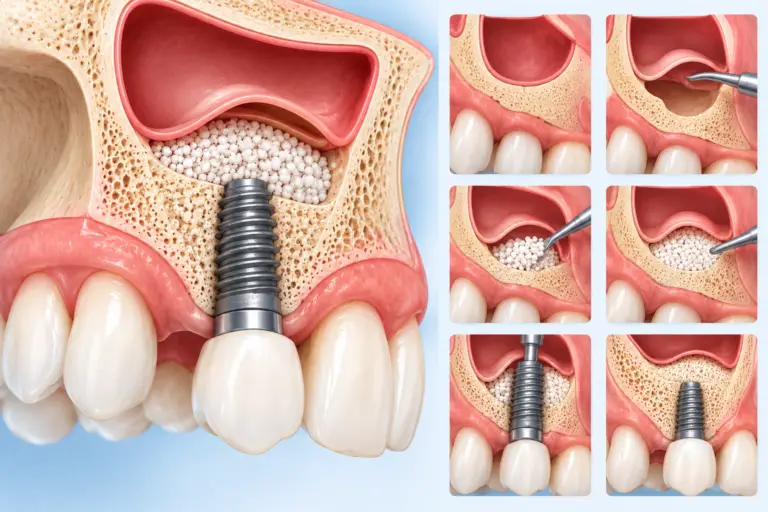
Gum grafting is one of the most established procedures for treating significant gum recession. During the procedure, a periodontist places healthy gum tissue over areas where the gums have receded, helping cover exposed tooth roots and restore a more natural gum line. Rather than encouraging lost tissue to grow back on its own, gum grafting provides new tissue to the affected area.
Surgical treatment is not always necessary. Depending on the cause and severity of the recession, treatment may include improving brushing techniques, addressing gum disease, using antimicrobial rinses, or making other changes to protect the gums. When recession is more advanced, a periodontal evaluation can help determine whether gum grafting or another procedure is appropriate.
| Approach | What it can realistically achieve |
|---|---|
| Improved oral hygiene | May halt or slightly reverse recession in early stages |
| Professional cleanings | Supports gum health and can help stabilize early recession |
| Antimicrobial rinses and antibiotics | Listed among treatment options; they do not replace lost tissue |
| Gum grafting surgery | Reconstructs the gum line and covers exposed tooth roots |
| Home remedies alone | Cannot reverse recession on their own |
What Home Care Can and Cannot Do
Home care cannot reverse recession on its own, but it is not a side note either. It is the foundation that keeps whatever treatment you receive from being undone. Gentle brushing, attention to the gum line, and regular professional visits all support the same goal: keeping the gum tissue you still have.
Be skeptical of promises about regrowing gums at home. Reviews of home remedies consistently separate what helps from what does not, and regrowth lands firmly in the second category. Any product or routine promising new gum tissue should be treated with caution.
Why Early Evaluation Changes the Outcome
Recession tends to progress. Tissue that has pulled back rarely returns on its own, and the factors that caused it usually do not disappear. That combination means the cost of waiting is often more lost tissue and more complex treatment later.
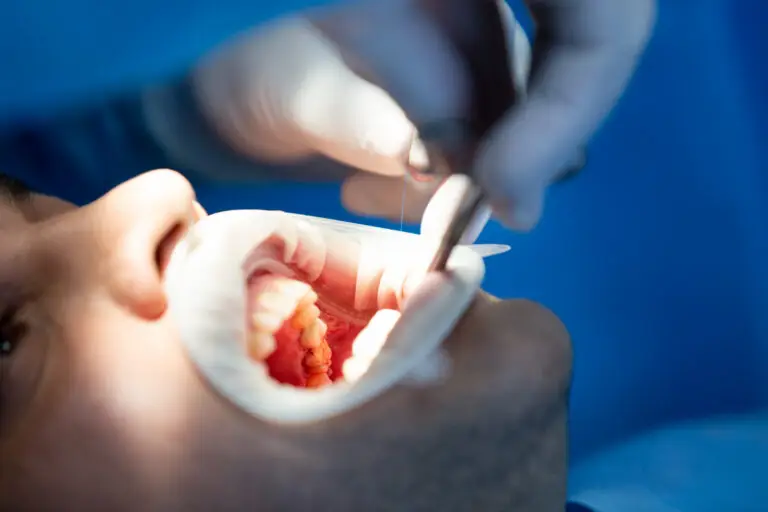
An evaluation gives you something a search engine cannot: a measurement of your own gum line, an assessment of what is driving the recession, and a clear picture of which options apply to you. A periodontal practice such as Keystone Periodontal Group in Reading, PA focuses on this kind of gum care, along with gum grafting and recession therapy, so patients can get an answer based on their own mouth rather than a general rule.
How to Protect Your Gum Line After Treatment
Whether your recession is being managed with hygiene, a rinse, or a graft, maintenance is what holds the result. Treatment addresses the tissue you have already lost or the disease process driving it. Your daily habits determine whether that work lasts.
That means a soft touch when brushing, keeping up with professional cleanings, and addressing the habits that contributed to recession in the first place. It also means watching for changes. If your teeth start looking longer again, that is a signal to get the gum line measured rather than wait for the next routine visit.
Frequently Asked Questions
Can receding gums grow back naturally?
No. Once gum tissue has receded, it does not regrow on its own. Home care cannot rebuild what has been lost, which is why products promising new gum growth deserve skepticism. The practical goal of daily care is to stop the recession from progressing, and clinical treatment such as grafting is what can actually restore a gum line that has already receded.
Is gum recession reversible without surgery?
Sometimes, in a limited way. In early stages, improved oral hygiene and professional cleanings may halt or slightly reverse gum recession. Once tissue loss is more advanced, hygiene alone will not bring the gum line back, and surgical options such as gum grafting become the realistic route to covering exposed roots.
What causes gum recession?
Causes vary from person to person. The Cleveland Clinic notes that aggressive brushing, smoking, and genetics all contribute to gum recession. Because the causes differ, the right treatment differs too. A periodontist typically looks at brushing habits, health history, and the way your gums and teeth are built before recommending a plan.
How does gum grafting restore the gum line?
Gum grafting reconstructs the gum line and covers exposed tooth roots, which is what makes it the most direct answer to the question of reversing recession. It does not rely on the body regrowing tissue on its own. Instead, the procedure rebuilds the coverage the tooth has lost and helps prevent further recession.
Does home care still matter if it cannot reverse recession?
It matters a great deal. Even though gum recession can’t be reversed with home care alone, your daily routine still plays a huge role in protecting your gums. Consistent, gentle care helps keep the tissue you still have and supports whatever treatment a periodontist recommends. Home care is not a cure, but it is the foundation everything else builds on.
Conclusion
Gum recession may not grow back naturally, but that does not mean you have to live with worsening recession or exposed tooth roots. Early evaluation can help identify the cause, protect remaining gum tissue, and determine whether conservative care or gum grafting is appropriate. If you have noticed longer-looking teeth, sensitivity, or changes in your gum line, Keystone Periodontal Group can evaluate your gums and explain your treatment options. Schedule a periodontal evaluation today to address recession before it progresses and take the next step toward healthier, better-protected gums.