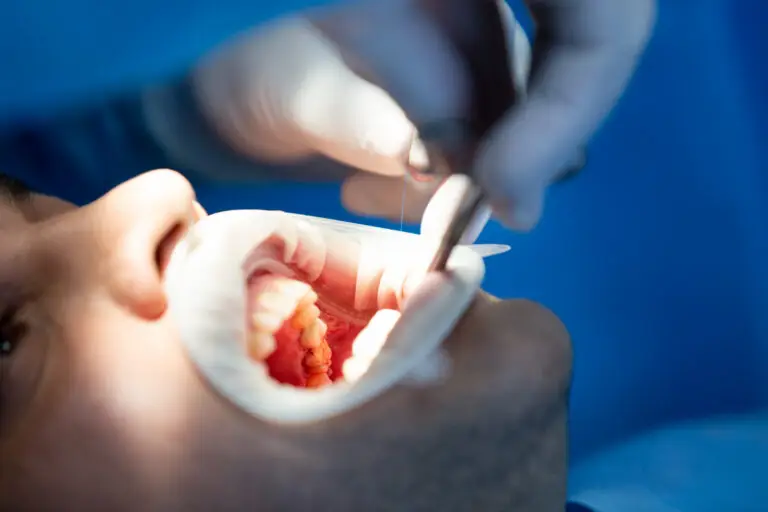

Tooth extractions are often seen as a last resort in dental care, but they play a critical role in protecting oral health. According to the American Dental Association, millions of tooth extractions are performed in the United States each year, with severe tooth decay and gum disease leading the list of reasons. While most patients feel nervous about losing a tooth, the truth is that an extraction can often prevent serious complications like infections, damage to surrounding teeth, and worsening oral health.
Understanding why extractions are needed and what to expect during and after the procedure can make the experience less stressful. Whether it’s removing a tooth due to damage, disease, or preparation for orthodontic treatment, having the right knowledge helps patients feel confident and prepared.
Key Takeaways
- Tooth extractions protect oral health when repair is not possible.
- Common reasons include severe decay, gum disease, overcrowding, impacted teeth, trauma, medical conditions, and denture preparation.
- The process is safe, with proper anesthesia and aftercare to support recovery.
- Complications like dry socket or infection are rare but possible, highlighting the need for careful post-procedure care.
What Is a Tooth Extraction?

A tooth extraction is a dental procedure where a tooth is carefully removed from its socket in the jawbone. Extractions can be simple or surgical. A simple extraction removes a visible tooth, while surgical extractions are needed when teeth are impacted, fractured, or not easily accessible. Both approaches are performed with anesthesia to ensure patient comfort.
While losing a tooth may seem concerning, extractions are sometimes the best way to stop infection, reduce pain, and protect the surrounding teeth and gums.
7 Common Reasons for Tooth Extractions
1. Severe Tooth Decay
Tooth decay is one of the most frequent reasons for extractions. When cavities progress untreated, bacteria can erode the enamel and penetrate deeper into the tooth, affecting the dentin and pulp. Treatments like fillings or root canals are effective for many cases, but when decay is too extensive, the tooth can no longer be saved. Extraction becomes necessary to stop the spread of infection and prevent complications like abscesses.
2. Advanced Gum Disease
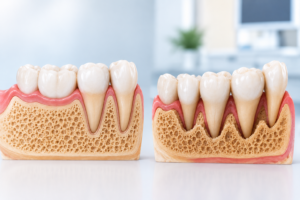
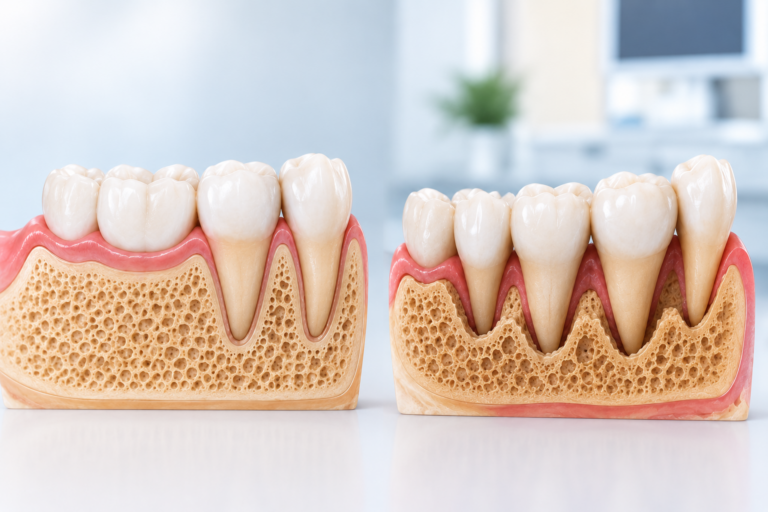
Gum disease, or periodontal disease, is another major cause of extractions. In its advanced stages, gum disease destroys the supporting structures that hold teeth in place. When teeth become loose, they can no longer function properly and may need to be removed. Extracting diseased teeth helps protect the surrounding gums and bone while also preventing the infection from spreading further.
3. Overcrowding
Tooth extractions are sometimes performed for orthodontic reasons. When there is not enough room in the jaw for teeth to align properly, overcrowding occurs. This is particularly common in children and teenagers preparing for braces. By removing one or more teeth, orthodontists can create the space needed for healthy alignment and long-term oral function.
4. Impacted Teeth
Impacted teeth, especially wisdom teeth, are a common reason for surgical extractions. These teeth often grow at awkward angles or fail to erupt fully, staying trapped under the gum. Impacted teeth can cause pain, swelling, overcrowding, and even damage to nearby teeth. Extraction helps prevent these complications and provides long-term relief.
5. Dental Trauma
Accidents and injuries can lead to fractures or severe damage to teeth. While dentists always attempt to save a tooth with restorative treatments like crowns or bonding, sometimes the damage is beyond repair. Extracting the injured tooth is often the best solution to protect the patient’s overall oral health.
6. Certain Medical Conditions
Patients with certain medical conditions may need extractions to reduce the risk of infection. For example, individuals undergoing cancer treatments or organ transplants often have compromised immune systems. If a damaged or decayed tooth poses a risk, removing it before treatment begins is a safer option.
7. Preparation for Dentures
In some cases, teeth are extracted to prepare the mouth for dentures. Removing remaining teeth allows for a proper fit and better function of the appliance, ensuring patients can chew, speak, and smile comfortably.
“When a tooth can’t be saved, it can feel overwhelming for patients. I always remind them that an extraction isn’t the end but a step toward restoring comfort and protecting their health.” – Dr. Amanda Clemente
What to Expect During a Tooth Extraction
Pre-Extraction Consultation
Before the procedure, your dentist or periodontist will evaluate your dental and medical history. X-rays are often taken to understand the tooth’s position and the surrounding bone. This consultation helps determine the safest and most effective extraction method.
Anesthesia Administration
Anesthesia is given to keep you comfortable. Local anesthesia is common for simple extractions, while sedation or general anesthesia may be used for complex cases such as impacted wisdom teeth.
The Extraction Process
During a simple extraction, the dentist uses specialized instruments to loosen and remove the tooth. For surgical extractions, a small incision may be made in the gum to access the tooth, and sometimes the tooth is sectioned into smaller pieces for easier removal.
Post-Extraction Care
After the tooth is removed, gauze is placed to control bleeding. You’ll receive instructions to support healing, such as avoiding smoking, drinking through straws, or engaging in strenuous activity. Soft foods and careful oral hygiene are recommended until healing progresses.
Recovery Expectations
Mild swelling and discomfort are normal for a few days. Over-the-counter pain relievers or prescribed medications help manage discomfort. Rinsing gently with warm salt water and sticking to soft foods supports healing. Most patients recover within a week, though surgical extractions may take longer.
Common Postoperative Complications
Dry Socket
Dry socket occurs when the blood clot at the extraction site dislodges too soon, exposing the bone. It causes severe pain that radiates to the ear or jaw. While not common, following aftercare instructions can lower the risk.
Infection
Infections can occur if bacteria enter the extraction site. Symptoms include swelling, pus, fever, or persistent pain. Taking prescribed antibiotics and practicing good oral hygiene helps reduce this risk.
General Risks and Discomfort
It’s normal to experience swelling, bruising, and mild pain after the procedure. Ice packs and pain relievers are effective for managing discomfort. Serious complications like nerve injury or jawbone issues are rare, especially when treated by experienced professionals.
Why Choose Keystone Periodontal
Keystone Periodontal understands that the thought of a tooth extraction can feel overwhelming. Our goal is to make the process as comfortable and stress-free as possible. With advanced technology, gentle techniques, and a patient-centered approach, we provide care that prioritizes both your comfort and your long-term oral health. Our team takes the time to explain every step, answer your questions, and guide you through recovery. Patients trust us not only for our expertise but also for the compassionate care that makes all the difference.
Moving forward
Tooth extractions may sound intimidating, but they are often the key to protecting your overall oral health. From severe decay and gum disease to trauma or preparation for orthodontics, extractions serve an important purpose. By knowing what to expect before, during, and after the procedure, you can approach treatment with confidence. With the right care and guidance, recovery is smooth, and your oral health is well-protected for the future.
Read more of our related blogs here.
Frequently Asked Questions
1. Are tooth extractions painful?
No. With modern anesthesia, you will feel little to no pain during the procedure. Some discomfort afterward is normal, but it is manageable with medication and aftercare.
2. How long does it take to recover from a tooth extraction?
Most people recover within 7 to 10 days, though surgical extractions like impacted wisdom teeth may take a little longer.
3. What foods can I eat after an extraction?
Soft foods like yogurt, mashed potatoes, and smoothies are recommended. Avoid crunchy, spicy, or hot foods until healing progresses.
4. Can I go back to work after a tooth extraction?
It depends on the complexity of the procedure. Many patients return to work the next day after a simple extraction, while surgical cases may need a couple of days of rest.
5. What should I do if I experience severe pain or swelling after an extraction?
Contact your dentist right away. These symptoms may indicate an infection or dry socket that requires professional attention.