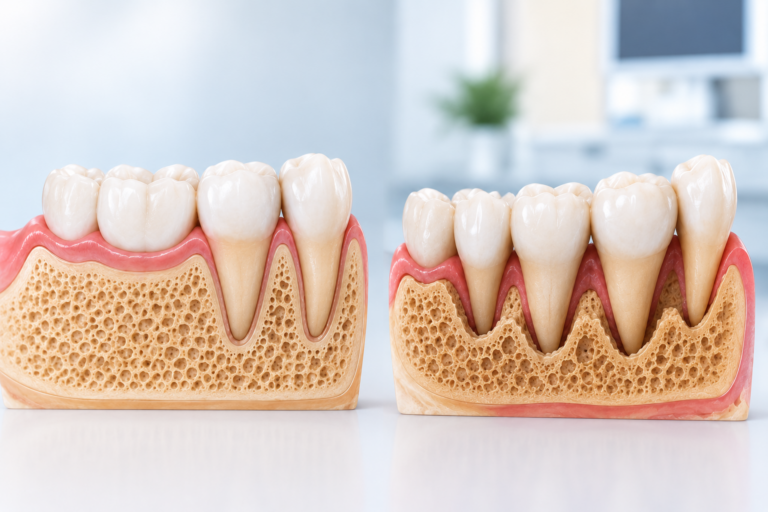

A tooth extraction is a surgical procedure performed to remove a tooth from its socket. Dentists and oral surgeons recommend extractions for many reasons, including severe decay, a fractured tooth, advanced gum disease, an impacted tooth, or crowded teeth. While the goal of removing the tooth is the same, the method used can differ significantly. Understanding the difference between a simple extraction and a surgical tooth extraction can help you know what to expect if your dentist or specialist recommends removing one or more of your teeth.
What is a Simple Tooth Extraction?
A simple tooth extraction is performed on a tooth that is fully visible above the gum line. This type of extraction does not require any incisions in the gum tissue. A general dentist typically performs simple extractions using local anesthesia to numb the area. The dentist uses an instrument called an elevator to loosen the tooth and then forceps to remove it from its socket. Because the tooth is accessible and fully erupted, the process is usually straightforward and completed relatively quickly.
What is a Surgical Tooth Extraction?
A surgical tooth extraction is a more complex procedure that requires an incision in the gum to access the tooth. An oral and maxillofacial surgeon typically performs this procedure, though some general dentists also offer it. Surgical extraction may be performed under local anesthesia with or without sedation. The surgeon may need to remove bone around the tooth or section the tooth into pieces to remove it safely and gently. This approach is necessary for teeth that are impacted, broken off at the gum line, or have complex root structures. Wisdom tooth extraction is a common example of a surgical tooth extraction.
Impacted Teeth and Wisdom Teeth
An impacted tooth is one that cannot fully erupt through the gum. Impacted wisdom teeth may cause pain, infection, or damage to nearby teeth, so removal is often recommended. There is some disagreement among dental specialists about whether to remove asymptomatic impacted wisdom teeth. The decision is usually made on a case-by-case basis after evaluating the potential risks and benefits. If a tooth is impacted, it will almost certainly require a surgical approach for removal.
Key Differences Between Simple and Surgical Tooth Extraction
The main difference between the two procedures lies in the accessibility of the tooth and the steps required to remove it. The table below outlines the primary contrasts to help you better understand your treatment options.
| Feature | Simple Tooth Extraction | Surgical Tooth Extraction |
|---|---|---|
| Visibility | Tooth is fully visible above the gum line. | Tooth may be impacted or broken below the gum line. |
| Incision | No incision in the gum is required. | An incision in the gum is required to access the tooth. |
| Bone Removal | Bone removal is not needed. | Bone removal may be required to extract the tooth. |
| Tooth Sectioning | The tooth is removed whole. | The tooth may be cut into sections for easier removal. |
| Provider | Can be performed by a general dentist. | Typically performed by an oral and maxillofacial surgeon. |
| Anesthesia | Local anesthesia is most common. | Local anesthesia with or without sedation is common. |
| Recovery | Generally shorter with fewer restrictions. | Recovery typically takes 7-10 days with specific activity restrictions. |
What to Expect During a Surgical Tooth Extraction
The time required for a surgical tooth extraction varies depending on the tooth’s position, root curvature, bone thickness, and the patient’s overall health. On the day of the procedure, you will receive local anesthesia to numb the area. If sedation is used, you may also receive medication to help you relax. You will feel pressure during the procedure but should not feel sharp pain. The surgeon carefully makes an incision in the gum tissue to expose the tooth and bone. If necessary, bone is removed or the tooth is sectioned to minimize trauma.
Potential Risks of Surgical Extraction
As with any surgical procedure, there are some risks involved. These include dry socket, infection, nerve injury, sinus damage, and prolonged bleeding. Common side effects like bleeding, bruising, and discomfort are expected as the area heals. It is helpful to know that the worst pain is typically on the third day after the procedure. Your oral surgeon will review these risks with you and provide specific instructions to manage them.
Recovery and Aftercare for Surgical Tooth Extraction
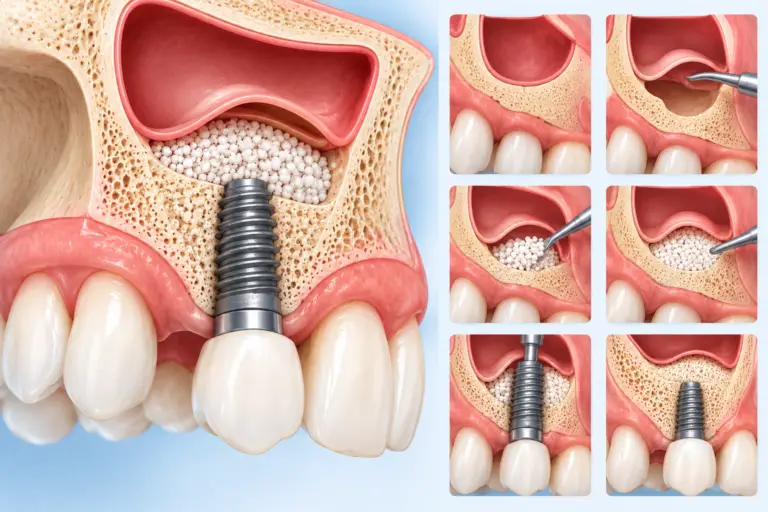
Recovery time after a surgical tooth extraction is typically 7 to 10 days. The first 24 hours are the most critical for healing, as a blood clot must form and stabilize in the socket. To protect the extraction site and promote healing, you will need to follow specific aftercare instructions. Avoid lifting over 10 pounds, as strenuous activity can increase bleeding. Do not smoke or use straws, as the sucking motion can dislodge the blood clot and lead to dry socket. Hard or sticky foods should also be avoided. Stick to soft foods and stay hydrated. For most teeth except wisdom teeth, your dentist or surgeon will likely discuss replacing the extracted tooth with a dental implant to help prevent bone loss and maintain the structure of your jaw.

Why Choose Keystone Periodontal for Tooth Extraction?
Keystone Periodontal Group combines advanced periodontal expertise with compassionate patient care to provide safe and comfortable tooth extractions. Every treatment plan is tailored to your unique oral health needs, whether you require a simple tooth extraction or a more complex surgical procedure. Our experienced team uses modern technology, gentle techniques, and comprehensive aftercare guidance to support a smooth recovery and long-term oral health. If tooth replacement is recommended, we also offer dental implant solutions to help restore your smile and preserve jawbone health.
Conclusion
Understanding the differences between a simple tooth extraction and a surgical tooth extraction can help you feel more confident about your treatment. While simple extractions are ideal for fully erupted teeth, surgical extractions are often necessary for impacted, damaged, or difficult-to-access teeth. A thorough evaluation by an experienced dental specialist will determine the most appropriate approach based on your individual needs. With proper treatment and aftercare, you can recover comfortably and maintain a healthy smile for years to come.
Frequently Asked Questions
How long does a surgical tooth extraction take?
The length of a surgical tooth extraction depends on several factors, including the tooth’s position, root shape, surrounding bone, and the complexity of the procedure. A straightforward extraction may take 20 to 40 minutes, while removing an impacted wisdom tooth or a tooth with complex roots can take longer. Your dental specialist will provide a more accurate estimate during your consultation.
Is a surgical tooth extraction more painful than a simple extraction?
Both simple and surgical tooth extractions are performed using local anesthesia to help keep you comfortable during the procedure. Surgical extractions may also involve sedation, depending on your treatment plan. Because a surgical extraction requires an incision and may involve removing bone or sectioning the tooth, you may experience more swelling and discomfort during recovery. Most patients can manage these symptoms with prescribed or over-the-counter pain medication, and discomfort typically improves within a few days.
Can a general dentist perform a surgical tooth extraction?
Simple tooth extractions are commonly performed by general dentists. However, surgical tooth extractions are often recommended for teeth that are impacted, broken below the gum line, or have complex root structures. In these cases, a periodontist or oral surgeon may perform the procedure using advanced techniques to help ensure safe and effective treatment.
What happens if I don’t remove an impacted wisdom tooth?
An impacted wisdom tooth may remain symptom-free for some time, but it can also increase the risk of pain, infection, gum disease, tooth damage, or cyst formation. Whether removal is necessary depends on factors such as the tooth’s position, your oral health, and the likelihood of future complications. After a thorough examination, your dental specialist can recommend whether monitoring or surgical removal is the most appropriate option for your situation.