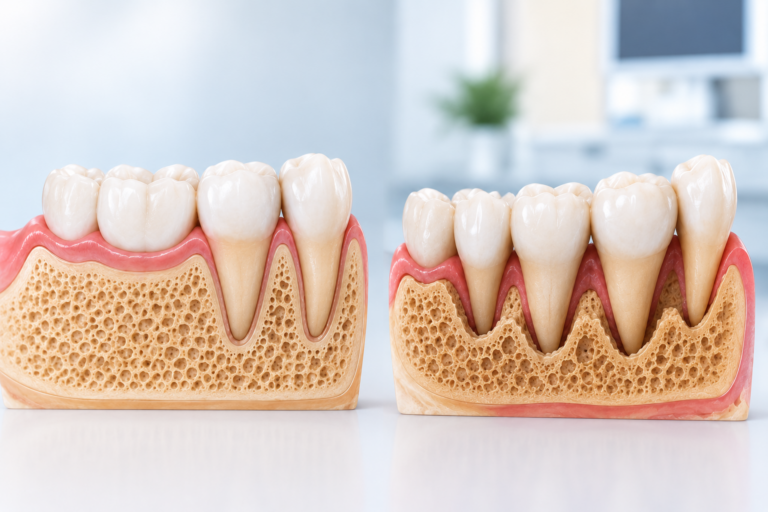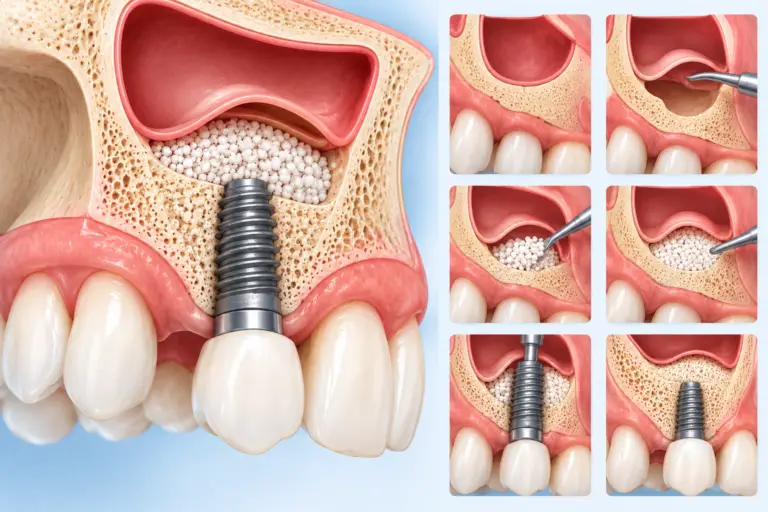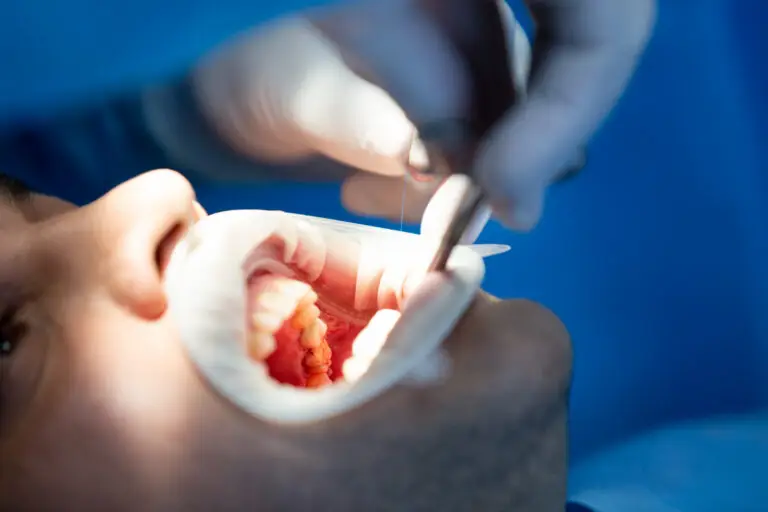
Gum recession can make teeth look longer, age a smile, and cause sensitivity to hot, cold, or sweet foods. For years, the standard response was traditional gum grafting, a procedure that involves cutting tissue and placing sutures. Pinhole gum grafting in Reading, PA offers a different route. The Pinhole Surgical Technique PST™ is minimally invasive and does not cut gum tissue, making it a much less painful option for many patients.
At Keystone Periodontal Group, a periodontal practice in Reading, PA, specialized gum care is provided with a boutique, patient-focused approach. If you are exploring ways to treat receding gums, understanding how the pinhole technique works can help you decide whether this modern approach fits your needs.
What Is Pinhole Gum Grafting?
The Pinhole Surgical Technique, also known as the Chao Pinhole Surgical Technique, is a no-incision, no-suture solution for gum recession. Instead of removing gum tissue from one area of the mouth and attaching it to another, the procedure repositions existing gum tissue so it covers exposed tooth roots and creates a more even gum line.
Some practices describe the treatment as the lunchtime gum lift because it can be done quickly and comfortably in the office. The nickname points to a key difference from traditional grafting: no grafts and no sutures are involved. This makes the procedure appealing to patients who want to address gum recession without a more invasive surgical experience.
How the Pinhole Surgical Technique Works
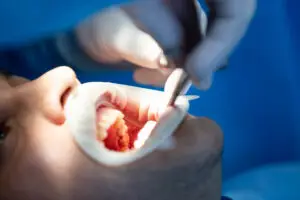
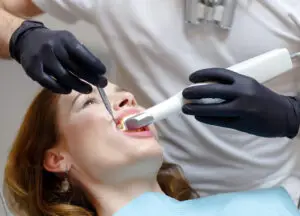
Rather than making a long incision along the gum line, the periodontist creates a small pinhole in the gum. Through this tiny entry point, specialized instruments are used to gently loosen the gum tissue. The tissue is then repositioned so it covers the exposed root surfaces.
Because the procedure uses no cutting and no sutures, gum shrinkage is repaired through a small opening in the gums. The goal is a restored gum line that looks more even and a lower chance of the sensitivity that often comes with receding gums. The procedure is performed using minimally invasive microsurgical techniques, which allow for precise treatment of the affected area.
Pinhole Gum Grafting vs. Traditional Gum Grafting
Traditional gum grafting has been used for years to treat receding gums. In general terms, it involves cutting gum tissue and using sutures to hold tissue in place. The Pinhole Surgical Technique takes a different approach. Instead of adding tissue, it treats gum recession by repositioning the gum tissue that is already present.
Because there is no cutting of gum tissue, the pinhole approach is often much less painful. There are no grafts to harvest and no sutures to remove. This can make the experience less involved for patients who want an alternative to traditional grafting. Patients who are looking for a less invasive way to manage gum recession may find this distinction meaningful.
| Aspect | Traditional Gum Grafting | Pinhole Surgical Technique |
|---|---|---|
| Cutting of gum tissue | Uses cutting | Does not cut gum tissue |
| Sutures | Uses sutures | No sutures |
| Graft tissue | Uses graft tissue | No grafts |
| Repair method | Tissue is cut and secured | Existing tissue is repositioned through a small pinhole |
Why Gum Recession Should Not Be Ignored
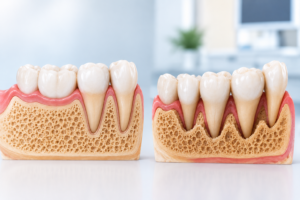
Gum recession is more than a cosmetic concern. When gum tissue pulls away from the teeth, tooth roots become exposed. This can make teeth appear longer and can cause sensitivity to temperatures and sweets. Exposed roots can also make a smile look older over time.
Treating recession with a minimally invasive option can help restore the gum line and protect the area around the tooth. A periodontist can identify what is causing the recession and recommend the most appropriate treatment based on your individual needs. Periodontal care focuses not only on the appearance of the smile but also on the long-term health of the supporting tissues around the teeth.
Who Is a Good Candidate for Pinhole Gum Surgery?
A periodontist will determine whether the pinhole technique is right for you based on the amount of recession, the condition of your gum tissue, and your overall oral health. The procedure is designed for people who want to treat gum recession without the cutting and sutures used in traditional grafting.
Periodontists use minimally invasive microsurgical techniques to perform this type of gum recession treatment. If you have receding gums and want to avoid a traditional gum graft, the pinhole approach may be worth discussing during your evaluation. Candidacy is determined at the time of your consultation, so it is important to have a professional assessment before choosing a procedure.
What to Expect During Treatment
The pinhole procedure is done in the periodontal office. It is described as a quick and comfortable experience when compared with traditional gum grafting. Since no sutures are needed, there is no need to return for suture removal.
After treatment, patients follow the aftercare instructions provided by their periodontist. The absence of cuts and stitches can make recovery easier for many patients, though each case is unique and should be managed under professional guidance. The periodontist will let you know what you need to do after the procedure and what to watch for during healing.

Restoring the Gum Line Without Surgery
One of the main appeals of the Pinhole Surgical Technique is that it restores the gum line without the need for an incision. The procedure is completed comfortably in the office, and many people are able to return to their routine quickly, which is why some call it the lunchtime gum lift.
The technique is designed to treat gum recession by repositioning the gum tissue so it covers exposed roots and looks more even. For patients who are concerned about the pain and downtime associated with traditional grafting, this approach can be a significant advantage. A restored gum line can also help reduce the tooth sensitivity that often accompanies recession.
Preparing for Your Periodontal Consultation
Before your appointment, it helps to write down any symptoms you have noticed, such as tooth sensitivity, uneven gums, or visible roots. You can also list any dental history that may relate to gum recession. This gives the periodontist a clear picture of your concerns.
During the consultation, ask about the pinhole technique, how it compares with traditional grafting, and what your recovery would involve. The periodontist can review your gum tissue and explain whether a minimally invasive approach is appropriate. Having these details in hand makes it easier to choose the right treatment for your situation.
Pinhole Gum Grafting in Reading, PA
Keystone Periodontal Group offers specialized periodontal care to patients in Reading, PA. The practice focuses on gum recession therapy, gum grafting, dental implants, and cosmetic procedures. The team is female-owned and emphasizes a boutique, patient-focused experience.
If you have been researching pinhole gum grafting Reading PA, the next step is a periodontal consultation. During this visit, the periodontist can examine your gum tissue, explain your treatment options, and let you know whether the Pinhole Surgical Technique fits the level of recession you are experiencing. The practice provides care designed around each patient’s needs, with an emphasis on comfort and clear communication.
Frequently Asked Questions
Is pinhole gum grafting painful?
The Pinhole Surgical Technique is minimally invasive and does not cut gum tissue, making it a much less painful option compared with traditional gum grafting. Because there are no incisions and no sutures, many patients find the procedure more comfortable. Your periodontist will discuss pain management and aftercare before treatment begins.
How does pinhole gum grafting differ from traditional gum grafting?
Traditional gum grafting involves cutting gum tissue and using sutures to secure grafts in place. The pinhole technique repairs gum recession through a small pinhole in the gums and repositions existing tissue. There are no grafts, no cuts, and no sutures, which can reduce discomfort and simplify the recovery process.
How long does the pinhole procedure take?
The pinhole approach is performed in the periodontal office and is often described as a quick and comfortable procedure. Because it does not require cutting or sutures, the treatment is less involved than traditional gum grafting. Your periodontist can provide a specific timeline based on the number of teeth being treated.
What is recovery like after pinhole gum surgery?
The Pinhole Surgical Technique uses no cutting and no sutures, which makes recovery easier for many patients compared to traditional gum grafting. Patients follow the periodontist’s aftercare instructions after the procedure. The periodontist will guide you on any follow-up care needed to make sure the gum line heals well.
Conclusion
Gum recession can affect both the appearance of your smile and the comfort of your teeth, but traditional gum grafting is not the only treatment option. Pinhole gum grafting offers a minimally invasive approach that repositions existing gum tissue without grafts, incisions, or sutures. If you are considering pinhole gum grafting in Reading, PA, Keystone Periodontal Group can evaluate your gum health and explain which treatment is best for your needs. Contact Keystone Periodontal Group today to schedule a periodontal consultation and take the first step toward a healthier, more even gum line.