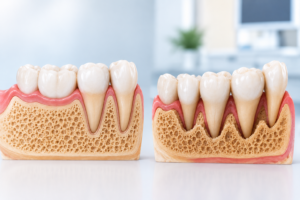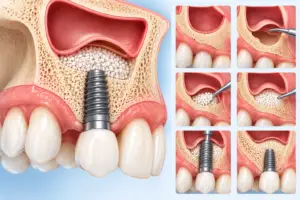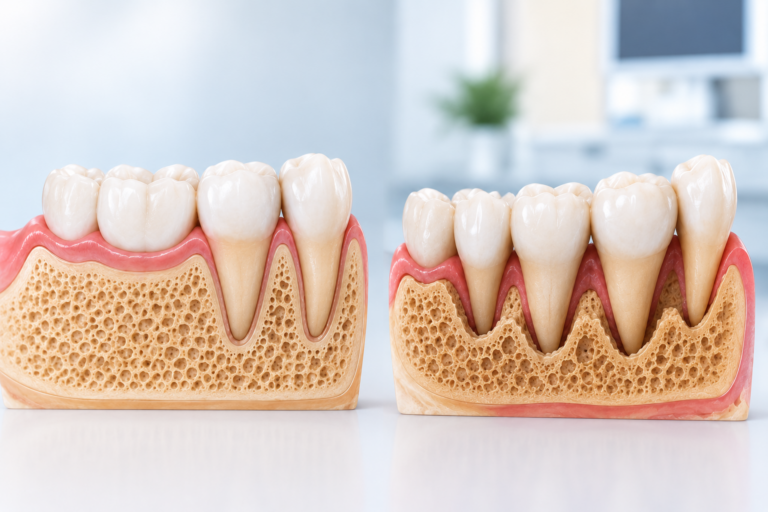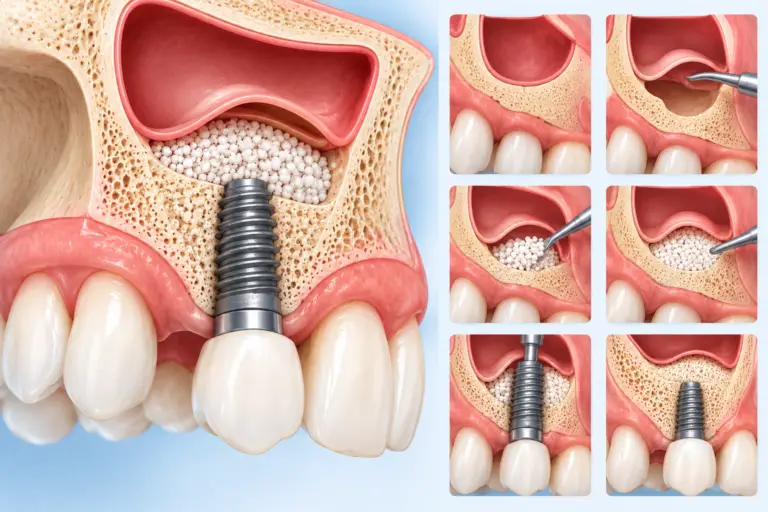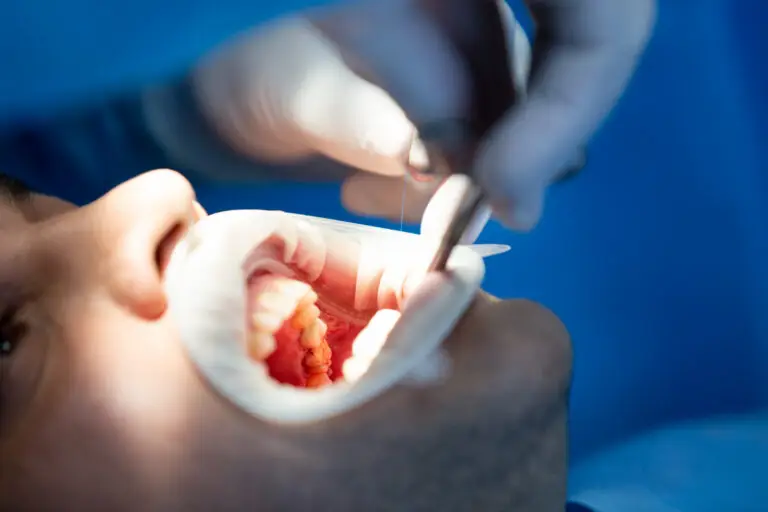
Gum graft surgery is a dental procedure used to treat thinning gums and gum recession. It covers exposed tooth roots and adds volume to the gum line, which improves overall oral health. Gum grafting also has a good success rate and can reduce the risk of severe gum disease. Because the graft needs time to attach and develop a blood supply, recovery is just as important as the procedure itself. The choices you make in the days and weeks after surgery directly affect how smoothly you heal.
This article walks through the typical gum graft recovery timeline, the habits that support healing, and the behaviors that can get in the way. If you follow the dos and avoid the don’ts, you give the graft the best possible chance to settle in and protect your teeth for years to come.
What to Expect During Gum Graft Recovery
Gum graft recovery happens in distinct phases rather than one single event. Most people experience the most discomfort in the first two or three days, notice real improvement within a week, and return to their usual routine after about one month. Complete healing can take up to three months, and the tissue may continue maturing for up to six months.
The first 24 to 48 hours
The initial one to two days are focused on blood clot formation and pain management. Swelling is normal, and discomfort is usually at its peak during this window. Ice packs applied to the surgical area for three to five minutes at a time during the first 24 hours help keep swelling down. Anti-inflammatory medication such as ibuprofen is commonly recommended for at least one week to reduce pain and inflammation. This early period sets the tone for the rest of your recovery, so rest as much as possible.
The first two weeks
The first two weeks are the active healing phase. This is when the graft establishes its blood supply, sutures come out, and the palate begins to heal if tissue was taken from the roof of the mouth. The graft is most vulnerable during this stage, which is why dietary changes and careful hygiene matter so much. Your periodontist will remove or dissolve the sutures according to the planned timeline, and you should continue protecting the site until you are told otherwise.
One month and beyond
After about a month, most patients can resume normal activities, and the mouth should feel close to normal. Full healing can take up to three months, and some patients still see improvements in tissue maturation for up to six months. The exact timeline varies depending on the size of the graft and how well you followed the aftercare plan. If you have questions about your progress, your periodontal team is the best source of guidance.

The Dos of Gum Graft Recovery
Recovery after gingival grafting can be managed through three main strategies: pain control, dietary adjustments, and proper oral hygiene. When these are handled consistently, the healing process tends to be smoother and more predictable.
Follow post-operative instructions completely
Following post-operative instructions is the foundation of a successful recovery. These instructions are written for your specific procedure and cover everything from medication to activity limits. They exist to protect the graft during its most fragile weeks. Treat them as a daily checklist. Even small deviations, such as skipping a dose of medication or eating something you were told to avoid, can slow your progress.
Eat soft foods
Eating soft foods is one of the most protective choices you can make during the active healing phase. Soft foods require minimal chewing and are much less likely to disturb the graft or irritate the healing palate. Plan your meals before surgery so you have a variety of soft options ready at home. This reduces the temptation to reach for something hard or crunchy when you are hungry and tired.
Manage pain and swelling on schedule
Apply ice packs to the surgical area for three to five minutes at a time during the first 24 hours. Take anti-inflammatory medication like ibuprofen for at least one week to control swelling and discomfort. Managing pain early is easier than trying to catch up after it becomes severe. If your periodontist provides specific medication instructions, follow them exactly.
Practice gentle oral hygiene
Oral hygiene remains important during recovery, but the approach must be gentle. Avoid brushing or flossing directly over the surgical site until your periodontist confirms it is safe. Keep the rest of your mouth clean to protect your overall oral health while the graft heals. When you do resume brushing near the site, use a soft touch and follow any technique guidance you received.
The Don’ts of Gum Graft Recovery
The don’ts are the mirror image of the dos. They protect the graft from the specific habits that can disrupt healing. Keep these in mind for the duration of your recovery.
- Don’t skip your post-operative instructions. They are not generic advice. They are designed around your procedure and your healing needs.
- Don’t rush back to your normal diet. Hard, crunchy, or chewy foods can disturb the graft before it establishes a secure blood supply.
- Don’t brush or floss aggressively near the surgical site. Let the area heal undisturbed until your periodontist gives you the go-ahead.
- Don’t neglect pain and swelling in the early days. Use ice packs and medication as recommended rather than waiting for discomfort to become severe.
If you are ever unsure whether an activity or food is safe during recovery, err on the side of caution. A few extra days of soft foods and gentle care is a small price to pay for protecting the graft.
Gum Graft Recovery Timeline at a Glance
Recovery times are often described in layers. Most gum graft recovery takes one to two weeks for daily comfort, four to six weeks for complete healing, and up to six months for full tissue maturation. Other sources note that full healing can take up to three months, with a normal activity level resuming after about one month.
| Timeline | What Happens |
|---|---|
| First 24 to 48 hours | Blood clot formation and pain management |
| First two weeks | Active healing; graft establishes blood supply, sutures come out |
| 1 to 2 weeks | Daily comfort returns for most patients |
| About 1 month | Normal activities typically resume |
| 4 to 6 weeks | Complete healing of the graft |
| Up to 3 months | Full healing |
| Up to 6 months | Full tissue maturation |
What Helps Gum Grafts Heal Faster?
Several habits work together to speed up recovery. Controlling pain and swelling with ice packs and anti-inflammatory medication keeps the body from spending energy on inflammation. A soft food diet protects the graft from physical disturbance. Gentle oral hygiene keeps the rest of the mouth clean without threatening the surgical site. Advanced treatment options can also play a role. Some procedures using platelet-rich fibrin can accelerate healing and reduce recovery time compared with traditional gum grafting methods. Ask your periodontist if this option is suitable for your case.
Why Choose Keystone Periodontal for Gum Grafting?
Choosing the right periodontal specialist can make a meaningful difference in your gum grafting experience and recovery. Keystone Periodontal provides specialized periodontal care focused on treating gum recession and protecting long-term oral health. The team takes a personalized approach to treatment, explains each step clearly, and provides detailed post-operative guidance to support proper healing.
Whether you need gum grafting to protect exposed tooth roots, improve gum health, or address recession, Keystone Periodontal can help you understand your options and choose an approach suited to your needs. Reach out to Keystone Periodontal today to learn more about gum grafting and take the next step toward healthier gums.
Frequently Asked Questions
How long does gum graft recovery take?
Most patients reach daily comfort within one to two weeks. Complete healing typically takes four to six weeks, and full tissue maturation can take up to six months. Some sources describe full healing as taking up to three months. The timeline depends on the size of the graft and how closely you follow your aftercare plan.
What is the best way to manage pain and swelling after gum graft surgery?
The best approach is to start early. Apply ice packs to the surgical area for three to five minutes at a time during the first 24 hours, and take anti-inflammatory medication such as ibuprofen for at least one week. The most discomfort usually occurs in the first two or three days, followed by real improvement within a week.
What foods should I eat after a gum graft?
Soft foods are the safest option during the active healing phase because they require little chewing and will not disturb the graft or the healing palate. Prepare a variety of soft meals before surgery so you are not tempted to eat anything hard or crunchy while the area is still fragile.
Can anything speed up gum graft healing?
Yes. Following post-operative instructions, eating soft foods, practicing gentle oral hygiene, and controlling pain and swelling with ice packs and anti-inflammatory medication all support faster healing. Some grafting techniques that use platelet-rich fibrin can also accelerate recovery and reduce healing time compared with traditional methods. Talk to your periodontist about which approach is right for you.
Conclusion
Gum graft recovery requires patience, proper care, and close attention to your periodontist’s instructions. Eating soft foods, managing swelling, practicing gentle oral hygiene, and protecting the surgical site can support smooth healing and better results. Avoiding habits that may disturb the graft is equally important. If you are considering gum grafting or have concerns about your recovery, Keystone Periodontal is here to help. Contact our periodontal team today to discuss your gum health, explore your treatment options, and take the next step toward healthier, stronger gums.