
A gum graft is a common treatment for gum recession, designed to protect your teeth and restore your smile. When successful, it strengthens the gum line and prevents further damage. But like any surgical procedure, a gum graft does not always go as planned. Gum graft failure is a possibility, and knowing what to watch for can help you respond quickly. This article explains what gum graft failure means, the common causes, the signs to look for, and the steps you can take to protect your results.
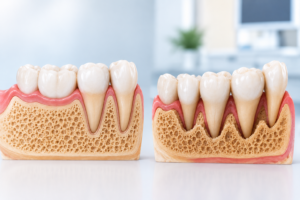
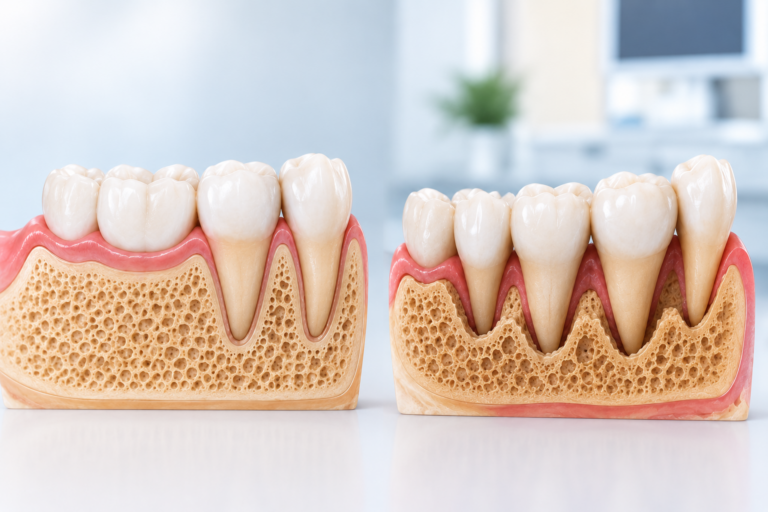
Gum recession can leave the roots of your teeth exposed. Gum graft surgery, also known as a gingival graft, is a periodontal procedure aimed at treating gum recession and protecting exposed tooth roots. Gum grafting can rebuild lost tissue, which is why it is often recommended when the gums have pulled away from the teeth. Still, patients should understand that healing is not guaranteed, and complications can occur.
What Does Gum Graft Failure Mean?
A failed gum graft occurs when the transplanted tissue does not properly integrate with your existing gums. Instead of healing into place, the tissue may detach, lose its blood supply, or break down. When this happens, the graft cannot do its job, and the tooth root may remain exposed or become more vulnerable to damage.
It is important to understand that not every complication means the graft has failed. Some discomfort, swelling, and color changes are normal parts of healing. Gum graft failure refers to a more serious problem where the tissue does not survive or stay in place. The key is being able to recognize the difference and seeking care when something seems off. Your periodontist is the best person to determine whether the healing process is on track.
What Causes a Gum Graft to Fail?
Gum grafts can fail due to a few reasons. These include the degree of gum recession, oral hygiene and lifestyle habits, and the procedure itself. Understanding these causes can help you take steps to reduce your risk before and after surgery.
The Degree of Gum Recession
The severity of gum recession before surgery can affect how well the graft heals. When there is advanced recession, there may be less healthy gum tissue available to support the transplanted tissue. This can make it harder for the graft to integrate with the existing gums. Patients with significant recession may face a higher risk, which is why early treatment is often encouraged. Addressing recession before it progresses can give the graft a better foundation.
Oral Hygiene and Lifestyle Habits
Your daily habits play a major role in healing. Poor oral hygiene can increase the risk of infection and other complications after surgery. Lifestyle habits can also interfere with the healing process and raise the chances of gum graft failure. Maintaining good oral hygiene and addressing habits that can harm your gums are important parts of preparation and recovery. Your periodontist can discuss which habits matter most in your situation.
The Procedure Itself
The surgical procedure and the conditions around it can influence the outcome. As with any surgery, there are risks involved. The way the graft is placed, the health of the surrounding tissue, and how well the area is cared for after surgery all matter. Choosing an experienced periodontist and following their instructions can help reduce risks related to the procedure. Even with careful technique, however, healing is not entirely predictable.

Signs of a Failed Gum Graft
Recognizing the signs of gum graft failure early can make a meaningful difference. A large white patch of tissue that has come off the tooth is a common sign of failure. Usually, this indicates the graft has lost blood supply. When a graft loses its blood supply, it cannot survive, and the tissue may separate from the tooth.
Other common gum graft failure symptoms include ongoing pain, unusual color changes, bleeding, or the graft not staying in place. A failed graft may also show signs of graft sloughing, which means the tissue is breaking down or shedding. Infection is another concern. Signs of infection include pain, swelling, redness, or pus. Any combination of these symptoms should be taken seriously.
Watch for the following signs after gum graft surgery:
- A large white patch of tissue that has come off the tooth
- Excessive bleeding
- Ongoing pain that does not settle
- Unusual color changes in the graft area
- Swelling, redness, or pus, which may indicate infection
- The graft not staying in place
If you notice any of these signs, do not assume the issue will resolve on its own. Contact your periodontist for an evaluation as soon as possible.
What to Do If You Suspect Gum Graft Failure
Early intervention can often make the difference between saving the graft and needing a revision. If you think your graft may have failed, the most important step is to schedule an appointment with your periodontist. They can examine the area, determine what is happening, and recommend the next steps. Ignoring the problem rarely helps, and delaying care can make the situation harder to address.
In some cases, the graft can be saved if the problem is caught quickly. In other situations, a revision procedure may be needed. Your periodontist will explain your options based on what they see. Keeping your periodontist informed about your symptoms, including any pain, bleeding, or changes in the appearance of the graft, is essential.
Your periodontist may also adjust your aftercare plan to support healing. Following those instructions carefully, even when the area feels uncomfortable, gives the tissue the best chance to recover. Do not attempt to treat a suspected failure on your own. Professional evaluation is the safest path.
How to Prevent Gum Graft Failure
Prevention starts before surgery and continues through recovery. Good oral hygiene and healthy lifestyle habits are key factors in reducing the risk of gum graft failure. Your periodontist will provide specific instructions based on your situation, and following them matters more than most people realize.
Keeping the surgical area clean as directed helps prevent infection. Avoiding habits that can interfere with healing is just as important. Lifestyle habits that are rough on your gums can put the graft at risk. If you have questions about what is safe during recovery, ask your periodontist rather than guessing.
It is also wise to attend follow-up appointments. These visits allow your periodontist to monitor the healing process and catch any problems early. Regular checkups after you have healed can help you maintain the results and keep your gums healthy over time. Prevention does not end when the initial recovery period is over.
Gum Graft Healing and What to Expect
Understanding the normal healing process can help you tell the difference between routine recovery and a real problem. Some swelling and discomfort are expected after gum graft surgery. The tissue needs time to integrate with your existing gums, and that process takes patience. Gum grafting can rebuild lost tissue, though, like any procedure, it may not always heal as expected.
When healing goes as planned, the graft gradually becomes part of the gum line. When it does not, you may notice signs that something is wrong. Being familiar with the healing process before your surgery can make it easier to spot issues early. Your periodontist can explain what is normal at each stage and what should prompt a call to the office. Do not hesitate to reach out with concerns.
Frequently Asked Questions
Here are answers to common questions about gum graft failure and recovery.
What are the first signs of gum graft failure?
A large white patch of tissue that has come off the tooth is one of the clearest signs, and it usually indicates the graft has lost blood supply. Other signs include excessive bleeding, ongoing pain, unusual color changes, swelling, redness, pus, or the graft not staying in place. If you notice these symptoms, contact your periodontist promptly.
Can a failing gum graft be saved?
Early intervention can often make the difference between saving the graft and needing a revision. If you suspect a problem, do not wait to see if it resolves on its own. A prompt evaluation by your periodontist gives you the best chance of preserving the graft and avoiding additional surgery.
Why did my gum graft fail?
Gum grafts can fail due to a few reasons. These include the degree of gum recession before surgery, oral hygiene and lifestyle habits, and the procedure itself. Advanced recession may leave less support for the graft, while poor oral hygiene or certain habits can interfere with healing. Your periodontist can help identify the likely cause in your case.
Does a white patch on the graft always mean failure?
A large white patch of tissue that has come off the tooth is a common sign of gum graft failure, and it usually indicates the graft has lost blood supply. Not every white area is the same, however. It is important to have the area examined by a periodontist rather than trying to judge it on your own.
How can I protect my graft during recovery?
Follow your periodontist’s aftercare instructions closely, keep the surgical area clean as directed, and avoid habits that can interfere with healing. Good oral hygiene and healthy lifestyle habits before and after surgery support a successful result. Attend follow-up appointments so your periodontist can monitor your progress and address concerns early.
Conclusion
A gum graft can treat gum recession, protect exposed tooth roots, and support lasting oral health, but proper healing requires careful aftercare and professional monitoring. Watch for warning signs such as persistent pain, heavy bleeding, unusual discoloration, swelling, pus, or tissue becoming loose. If these symptoms appear, contact your periodontist promptly rather than waiting for them to improve. Concerned about gum graft healing or recession? Contact Keystone Periodontal Group today for a personalized evaluation, expert guidance, and the right treatment plan to protect your gums, teeth, and long-term smile.