
Many people think of gum disease as a dental problem that affects only their mouth. The reality is much bigger than that. Over the past decade, more and more studies have revealed that oral health plays an important role in overall health. One of the most significant connections is between gum disease and cardiovascular health. What happens in your mouth may have a direct impact on your heart.
According to the Centers for Disease Control and Prevention (CDC), heart disease is the leading cause of death in the United States, claiming one life every 33 seconds. At the same time, gum disease affects nearly half of all adults over the age of 30. These numbers show why the oral-systemic link is such an important topic in modern healthcare. Researchers have found that untreated gum disease may contribute to the development or worsening of heart disease, stroke, and other serious health conditions.
This blog will help you understand how gum disease is connected to heart health, why this link matters, and what you can do to protect yourself. It will also share how dental professionals can be part of the solution, not just for a healthy smile but for a healthy heart.
Key Takeaways
- Gum disease is linked to inflammation in the body, which plays a role in cardiovascular disease.
- Oral bacteria can enter the bloodstream and may contribute to plaque buildup in blood vessels.
- Early detection and treatment of gum disease can help lower heart health risks.
- Preventive care, lifestyle choices, and routine dental visits are essential for maintaining both oral and heart health.
- Dentists can help identify cardiovascular risk factors during regular dental checkups.
What Is Gum Disease

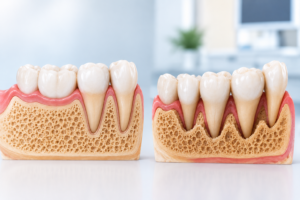
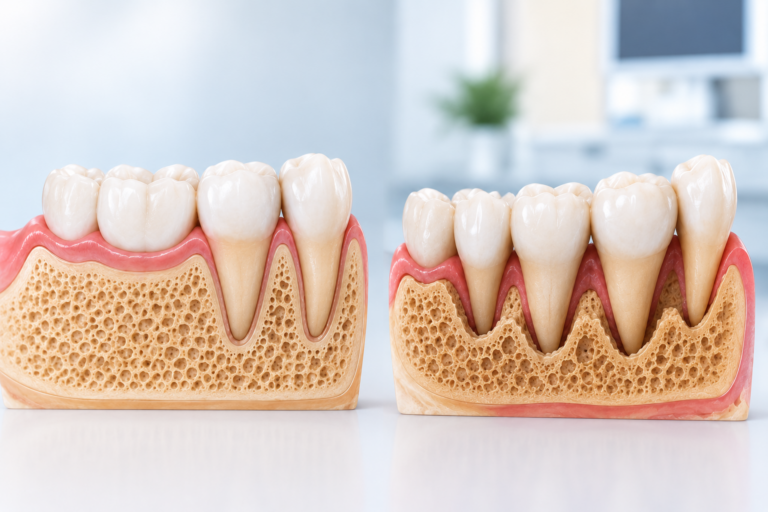
Gum disease, also called periodontal disease, is a chronic bacterial infection that affects the gums and the bone supporting the teeth. It often begins quietly and without pain, which makes it easy to overlook in its early stages. The first stage is gingivitis, where symptoms may include red and swollen gums, bleeding while brushing or flossing, and mild discomfort. If not treated at this stage, it can progress to periodontitis. This more advanced stage involves deeper infection, bone damage, gum recession, loose teeth, and even tooth loss.
The most common cause of gum disease is plaque, a sticky film of bacteria that forms on teeth. Poor oral hygiene allows this plaque to build up and harden, leading to infection and inflammation. Risk factors that increase the likelihood of gum disease include smoking, diabetes, hormonal changes, certain medications, and genetic predisposition. The infection does not remain confined to the mouth. Once bacteria enter the bloodstream, they can travel to other parts of the body, affecting major systems, including the cardiovascular system.
Early detection is essential. Gum disease is not only treatable but also preventable with proper care, making regular dental visits an important part of overall health.
Understanding Heart Disease
Heart disease remains the leading cause of death among adults globally. High blood pressure, high cholesterol, and smoking are among the most common risk factors. Hypertension is often called a “silent killer” because many people have it without knowing. Over time, it can lead to heart attacks and strokes.
Researchers have found that more than 90% of systemic diseases, including heart disease, can have oral health manifestations. This means that ongoing issues in the mouth may signal or even influence conditions elsewhere in the body. Gum disease in particular has been linked to higher levels of inflammation in the bloodstream, which can increase cardiovascular risk. When harmful bacteria travel from infected gums into the bloodstream, they can contribute to plaque buildup in arteries. This process, called atherosclerosis, can reduce blood flow and increase the risk of heart attack or stroke.
Maintaining good cardiovascular health involves more than just taking care of the heart. It includes understanding how oral health can contribute to heart health outcomes.
The Oral-Systemic Connection
The oral-systemic connection refers to the growing body of evidence that links oral health to overall health. Your mouth is not separate from the rest of your body. It is an entry point to many systems, including your bloodstream. Poor oral hygiene allows harmful bacteria to thrive in the mouth. When gum tissues become inflamed or infected, these bacteria can easily enter the bloodstream through tiny openings in the gums.
Once in the bloodstream, bacteria can trigger the immune system and cause inflammation throughout the body. This inflammation is a key factor in many systemic diseases, especially heart disease. Inflammation contributes to the formation of fatty deposits in the arteries, which can lead to blockages, reduced oxygen flow, and serious cardiovascular events.
The relationship between gum disease and cardiovascular health is complex. While researchers continue to explore all the details, the evidence is clear that untreated gum disease increases the risk of heart disease. Elevated levels of C-reactive protein, an inflammatory marker associated with both gum disease and heart conditions, have been observed in individuals with periodontal problems. This shared marker highlights how closely oral health and cardiovascular health are connected.
When I speak of the oral-systemic connection, I’m simply reminding us that gum health is part of whole-body health. The mouth and the heart truly share a story. — Dr. Amanda Clemente
Gum Disease and Cardiovascular Risks
When gum disease is not treated, the bacteria and inflammation in the mouth can impact the entire cardiovascular system. These are some of the ways gum disease may increase heart health risks:
- Inflammation and Blood Vessel Damage: Chronic inflammation from gum disease can contribute to damage in blood vessels, making them more prone to narrowing and blockages.
- Bacteria in the Bloodstream: Oral bacteria entering the bloodstream may attach to fatty deposits in the arteries, increasing the likelihood of blood clots.
- Plaque Formation: These bacteria can contribute to arterial plaque buildup, which reduces the flow of oxygen-rich blood to the heart.
- Increased Inflammatory Markers: Elevated C-reactive protein levels are associated with both periodontal disease and cardiovascular disease, reinforcing their connection.
Studies suggest that people with gum disease may be at a higher risk of heart attack, stroke, and other cardiovascular problems compared to those with healthy gums. Even though other factors like smoking and lifestyle choices also play a role, gum health remains a significant piece of the puzzle.
Controversies and Considerations
Not every study agrees on how strong the connection between gum disease and heart disease is. Some researchers argue that shared risk factors, such as smoking, poor diet, or other lifestyle choices, may contribute to both conditions. This means gum disease may not directly cause heart disease in every case, but it can make existing risk factors worse. Despite these debates, most health professionals agree that oral health is a critical part of overall health. Gum disease can make the heart work harder by fueling inflammation, which is already a known risk factor for cardiovascular problems. Even if gum disease is not the sole cause of heart disease, it remains an important factor to manage.
The Role of Dental Professionals
Dental professionals are in a unique position to support both oral and heart health. During regular dental check-ups, dentists can identify signs of gum disease early and help patients take preventive steps before it progresses. Some programs, such as Healthy Smiles, Healthy Hearts™, focus on integrating dental and medical care to promote heart health. With more than 134,000 dental practices in the United States, dentists can serve as an early line of defense against cardiovascular disease. Routine exams can include screenings for high blood pressure or referrals to medical care if needed. This holistic approach allows dental care to go beyond teeth and gums, supporting a patient’s overall health and well-being.
Prevention and Lifestyle Modifications
Preventive care remains the best way to reduce the risk of gum disease and protect your heart. A few simple daily habits and health choices can make a big difference:
- Brush your teeth twice a day with fluoride toothpaste.
- Floss daily to remove plaque and food particles between teeth.
- Schedule regular dental checkups for professional cleanings and early detection of any issues.
- Eat a balanced diet rich in vitamins, antioxidants, and nutrients.
- Avoid tobacco use, as smoking increases the risk of both gum disease and heart disease.
- Stay active and manage conditions like diabetes or high blood pressure.
A heart-healthy lifestyle often overlaps with habits that support oral health. Regular exercise, good nutrition, and avoiding tobacco can lower the risk of both gum disease and cardiovascular disease.
Public Health and Research Impact
For more than forty years, research funded by the National Institute of Dental and Craniofacial Research (NIDCR) has explored the connections between oral health and systemic health. The findings have shown that oral health affects not only the mouth but also major body systems. This growing understanding is shaping how public health strategies address chronic diseases.
Integrating dental care with general health care can lead to earlier detection of risks, better management of chronic conditions, and improved outcomes for patients. The future of preventive health may rely on closer collaboration between dental and medical professionals.
Why Choose Keystone Periodontal
Choosing the right periodontal care provider can make a real difference in both your oral and overall health. Keystone Periodontal focuses on more than treating gum disease. We believe in looking at the bigger picture of your health. Our team works with advanced diagnostic tools and proven treatment methods to help you achieve healthier gums and a stronger foundation for your teeth. We emphasize patient education, personalized care, and early intervention to support not only your smile but also your long-term wellness. By choosing us, you’re choosing a team that genuinely cares about your complete health, not just your dental treatment plan.
The Bottom Line
The connection between gum disease and cardiovascular health is a powerful reminder that your mouth and your body are closely linked. Gum disease does not just affect your smile. It can influence inflammation, blood vessel health, and heart disease risk. Regular dental care, a healthy lifestyle, and collaboration between dental and medical professionals can make a significant impact on overall health outcomes. Even though researchers continue to study how strong this link is, one thing is certain. Taking care of your oral health is one of the best things you can do for your heart.
Frequently Asked Questions
1. Can gum disease really cause heart problems?
Gum disease does not directly cause heart disease, but it can increase risk factors. Bacteria and inflammation in the mouth can travel through the bloodstream and contribute to cardiovascular issues.
2. How can I know if my gum disease is affecting my heart health?
There are no immediate symptoms linking the two. However, if you have gum disease and other heart risk factors, such as high blood pressure or a family history of heart disease, talk to both your dentist and doctor.
3. Can treating gum disease lower my risk of heart disease?
Treating gum disease can help lower inflammation in the body, which may reduce cardiovascular risks. Studies have shown improvements in inflammatory markers after periodontal treatment.
4. How often should I visit a dentist to prevent gum disease?
Regular visits every six months are recommended, but patients with gum disease or high-risk factors may need more frequent visits.
5. What lifestyle changes help protect both my gums and heart?
A balanced diet, good oral hygiene, regular exercise, quitting smoking, and routine dental care can protect both your gum health and your heart health.