
Tooth extraction is a common dental procedure that involves removing a tooth when it cannot be saved or when keeping it may affect your oral health. Dentists may recommend an extraction for reasons such as severe tooth decay, advanced gum disease, a broken tooth, impacted wisdom teeth, or to prepare for orthodontic treatment. While the idea of having a tooth removed can feel overwhelming, modern techniques and anesthesia make the procedure safe and comfortable for most patients.
If you are considering tooth extractions in Reading, PA, understanding the different types of extractions, what happens during the procedure, and how to care for the extraction site afterward can help you feel more confident. This guide explains the extraction process, recovery tips, and answers common questions to help you know what to expect.
Types of Tooth Extractions
In the Reading area, dental professionals generally classify tooth extractions into two main categories: simple extractions and surgical extractions. Understanding the difference helps patients know what to expect before their appointment.
Simple Extractions
A simple extraction is used when a tooth is fully visible above the gum line and can be removed without surgery. It is often recommended for teeth that are badly decayed, damaged, or causing pain. Your dentist will examine the tooth, take X-rays, and numb the area with local anesthetic before gently loosening and removing it. The procedure is usually quick, and you’ll receive aftercare instructions to support a smooth recovery.
Surgical Extractions
A surgical extraction is needed when a tooth is impacted, broken below the gum line, or cannot be removed with a simple extraction. It is often used for impacted wisdom teeth or teeth with difficult roots. After reviewing digital X-rays, your dentist will numb the area and may make a small incision to access the tooth. In some cases, a little bone is removed or the tooth is divided into sections for easier removal. The area is then cleaned, and stitches may be placed to help healing. Recovery may take a bit longer than with a simple extraction.
The Tooth Extraction Process in Reading, PA
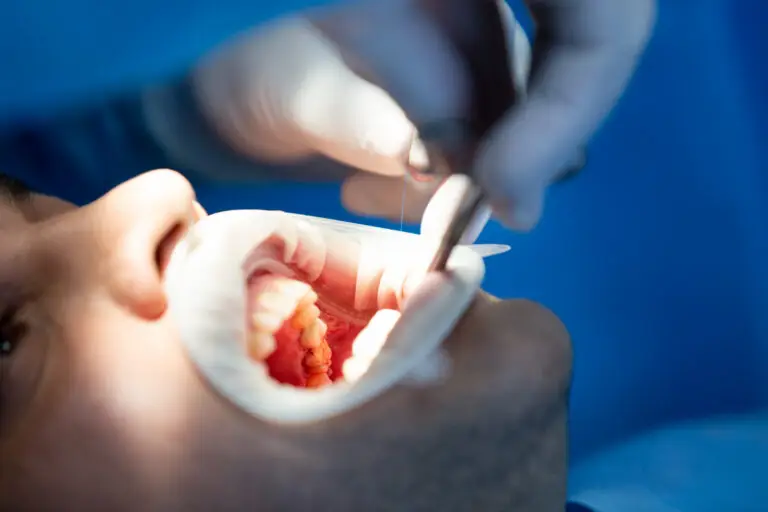
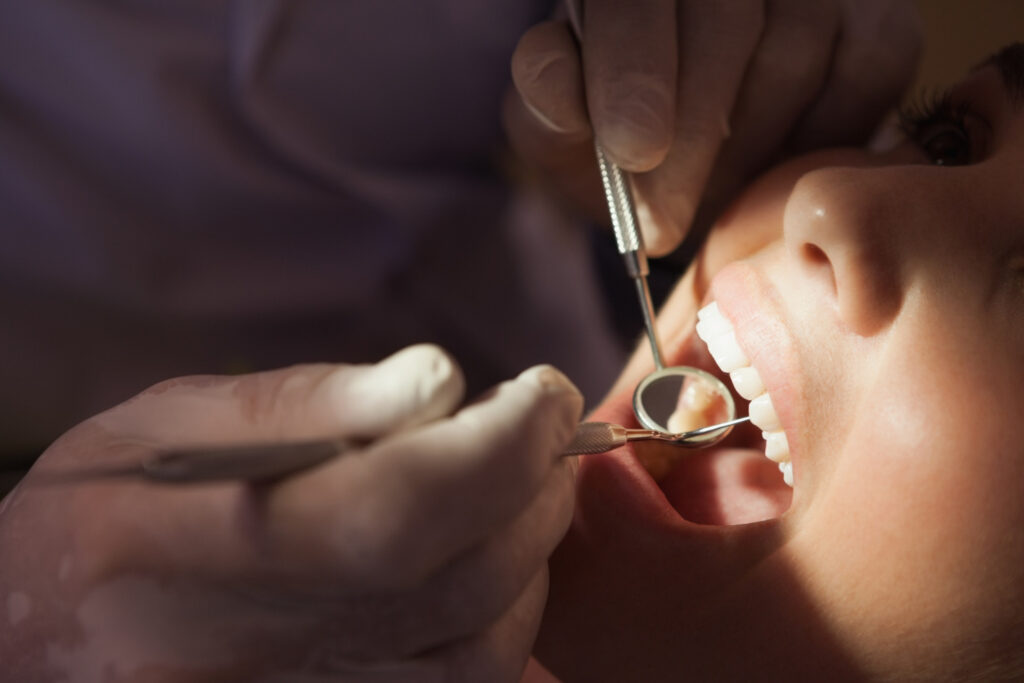
Every tooth extraction starts with a thorough evaluation to determine the safest and most effective treatment plan. Your periodontist will examine your tooth, review digital X-rays, and discuss your symptoms and medical history. If an infection is present, medication may be recommended before the procedure. On the day of your appointment, the treatment area is numbed with a local anesthetic to keep you comfortable throughout the extraction. For more complex cases, such as impacted or damaged teeth, a small incision may be made to safely remove the tooth. Once the extraction is complete, the area is cleaned, gauze is placed to control bleeding, and you’ll receive detailed aftercare instructions to support proper healing and reduce the risk of complications.
Cost of Tooth Extraction in the Reading Area
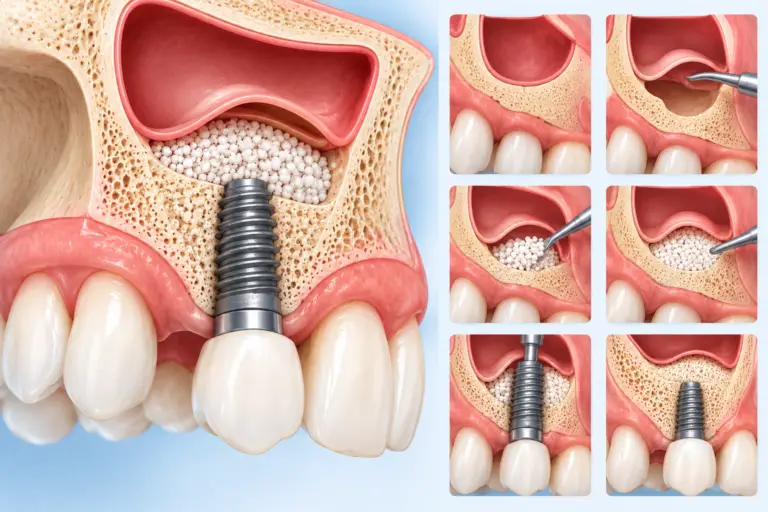
The cost of a tooth extraction depends on several factors, including the type of extraction, the condition of the tooth, and whether additional procedures such as bone grafting or sedation are needed. Since every patient’s treatment needs are different, the exact cost can only be determined after a comprehensive examination and digital X-rays. At Keystone Periodontal Group, you’ll receive a personalized treatment plan with a clear cost estimate before your procedure. The team also works with many dental insurance providers and can help you understand your coverage and available payment options.
Recovery and Aftercare
Following your aftercare instructions helps ensure a smooth recovery after a tooth extraction. For the first 24 hours, rest, keep the gauze in place as directed, and avoid using a straw, smoking, spitting forcefully, or rinsing vigorously. An ice pack and keeping your head slightly elevated can help reduce swelling.
Eat soft foods like yogurt, mashed potatoes, applesauce, or soup for a few days, and drink plenty of water. Mild pain and swelling are normal and can usually be managed with the medications recommended by your periodontist.
If you have severe pain, persistent bleeding, increasing swelling, or signs of infection, contact your dental office right away. These may be signs of a complication, such as dry socket, that needs prompt treatment.
Why Choose Keystone Periodontal Group for Tooth Extractions in Reading, PA?
Choosing the right provider for a tooth extraction is important for your comfort, safety, and long-term oral health. At Keystone Periodontal Group, our experienced periodontists use advanced diagnostic technology and modern techniques to perform both simple and surgical tooth extractions with precision and care. Every treatment plan is Personalized to your individual needs, and we take the time to explain your options, answer your questions, and help you feel at ease throughout the process. From your initial consultation to your recovery, our team is committed to providing compassionate care and supporting your healing every step of the way.
Conclusion
Whether you need a simple extraction or a more complex surgical procedure, understanding the process can help you feel prepared and confident. Knowing what to expect before, during, and after treatment also plays an important role in a smooth recovery. If you have a damaged, infected, or impacted tooth, the team at Keystone Periodontal Group can evaluate your condition and recommend the treatment that’s right for your oral health.
Frequently Asked Questions
How long does a tooth extraction take?
The length of a tooth extraction depends on the complexity of the procedure. A simple extraction is often completed within 20 to 40 minutes, while a surgical extraction may take longer if the tooth is impacted or requires stitches. Your periodontist will explain what to expect before your procedure.
How much does a tooth extraction cost in Reading, PA?
The cost of a tooth extraction varies based on factors such as the type of extraction, the condition of the tooth, and whether additional procedures like bone grafting or sedation are needed. After a comprehensive examination and digital X-rays, you’ll receive a personalized treatment plan with a detailed cost estimate. If you have dental insurance, your provider can also help you understand your coverage and payment options.
What is dry socket and how is it treated?
Dry socket is a condition that can occur when the blood clot protecting the extraction site becomes dislodged too soon, exposing the underlying bone. It can cause severe pain, bad breath, and an unpleasant taste in the mouth. If dry socket develops, your periodontist can clean the area and place a medicated dressing to relieve discomfort and promote healing.
When can I eat normally after a tooth extraction?
You should eat soft foods for the first few days after your extraction and avoid hard, crunchy, or chewy foods until the area has healed. Most patients can gradually return to their normal diet within about a week, depending on the complexity of the extraction and how well the site is healing. Always follow your periodontist’s aftercare instructions for the best recovery.