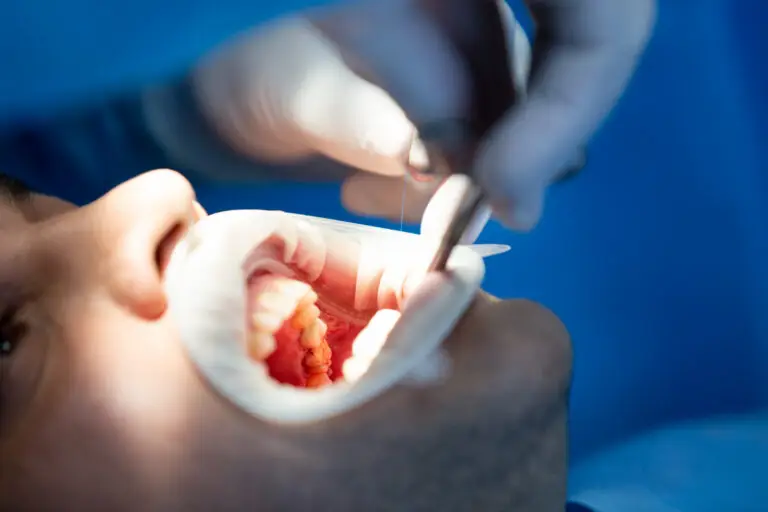

A smile is one of the first things people notice. It communicates warmth, confidence, and joy. However, for individuals with a gummy smile, that joy may be overshadowed by self-consciousness. A gummy smile is when too much gum tissue shows when smiling, often making teeth look shorter than they actually are. While some may view it as a minor concern, for many, it affects their confidence, social interactions, and even the quality of their life.
According to the American Academy of Cosmetic Dentistry (AACD), nearly half of adults are unhappy with their smile, and excessive gum display is one of the most common reasons people seek cosmetic dental care.
Studies have shown that patients with a gummy smile report a significant impact on self-esteem and may even avoid smiling in social situations. The good news is that advances in modern dentistry and periodontics now offer a wide range of treatment options to correct this condition, from minimally invasive procedures to advanced surgical solutions.
Key Takeaways
- A gummy smile occurs when excessive gum tissue is visible during smiling.
- Causes include genetic traits, abnormal dental development, jaw structure, and muscle activity.
- Treatments range from simple noninvasive options, like Botox and laser gum contouring, to advanced surgical interventions, such as crown lengthening or orthognathic surgery.
- Both surgical and non-surgical approaches can deliver excellent results depending on the individual’s unique condition.
- Professional evaluation is essential to identify the underlying cause before treatment.
What is a Gummy Smile?

A gummy smile refers to an excessive display of gum tissue when someone smiles. Typically, two to four millimeters of gum showing is considered within the normal range. Anything more than that often gives the appearance of shorter teeth or disproportion between the teeth, lips, and gums. While some people are comfortable with this natural variation, others feel it takes away from the beauty of their smile.
A gummy smile is not only an aesthetic concern. In some cases, it is linked with underlying dental or skeletal issues that can affect oral function. Identifying the root cause of a gummy smile is essential because treatment should not only improve aesthetics but also support oral health.
Causes of a Gummy Smile
There are several reasons why a gummy smile develops. Understanding these causes helps in selecting the right treatment plan.
Genetic Factors
Genetics plays a large role in how our smile develops. In many cases, a gummy smile runs in families. This may be due to naturally excessive gum tissue or shorter-looking teeth, both of which can create a gum-heavy smile.
Abnormal Dental Development
During childhood, normal dental development involves teeth erupting and gums receding to expose them fully. When this process, known as passive eruption, does not occur correctly, the gums remain too low on the teeth. This condition results in teeth that appear short and partially hidden by gum tissue.
Skeletal Factors
Jaw development plays a major role in smile aesthetics. Vertical maxillary excess, where the upper jaw grows longer than normal, leads to increased gum visibility. Similarly, jaw misalignment can cause the upper jaw to protrude, adding to the gummy appearance.
Muscular Factors
Sometimes the problem lies with the muscles of the upper lip. A hyperactive upper lip muscle pulls the lip higher than usual when smiling, showing more gum tissue.
Other Contributing Factors
Other influences include thick gum tissue, unusual tooth eruption patterns, or habits and orthodontic problems that affect gum display. Environmental and lifestyle factors can also play a role, although genetics and development remain the most common causes.
Treatment Options for a Gummy Smile
The good news for patients is that a gummy smile can be treated successfully with modern dental techniques. Treatments fall into two main categories: nonsurgical and surgical. The right choice depends on the cause, severity, and desired outcome.
Non-Surgical Treatment Options
Orthodontic Treatment
For patients whose gummy smile is caused by bite issues, orthodontics may be recommended. Braces or Invisalign can realign the teeth and jaws, improving both function and appearance.
Botox Injections
When the problem is a hyperactive upper lip muscle, Botox offers a simple solution. By relaxing the muscle, Botox prevents the lip from rising too high and reduces gum exposure. Results are temporary, usually lasting three to six months, but repeat treatments can maintain the effect.
Laser Gum Contouring
Laser contouring reshapes the gum line to expose more of the tooth structure. This minimally invasive procedure results in little bleeding or discomfort and provides instant results. It is best suited for patients with excessive gum tissue but normal jaw alignment.
Surgical Treatment Options
Crown Lengthening
This procedure removes excess gum tissue and sometimes a small amount of bone to reveal more of the tooth surface. It is especially effective for patients with teeth that appear short due to overlying gums.
Gingivectomy
For cases involving enlarged or overgrown gums, a gingivectomy surgically removes the excess tissue. This procedure helps reshape the gum line and improve smile balance.
Lip-Lowering Surgery
This surgical method repositions the upper lip so it rests lower when smiling, covering more gum tissue naturally. It is a good option when muscle activity is the main cause.
Orthognathic (Jaw) Surgery
When the cause of the gummy smile is skeletal, such as vertical maxillary excess, orthognathic surgery may be necessary. This procedure repositions the jaw to correct the structural imbalance. While more invasive, it provides long-term, dramatic results.
“I often see people worry when they notice more gum than tooth when they smile, or when their teeth look shorter than they should. Those are real signs a gummy smile might be hiding under what you see.” — Dr. Amanda Clemente
Recovery and Maintenance
Recovery times vary depending on the treatment. Non-surgical procedures like laser contouring often require only a day or two of healing. More invasive procedures, such as crown lengthening or jaw surgery, may need weeks of recovery.
Aftercare includes:
- Follow a soft-food diet for several days after surgery.
- Practicing careful oral hygiene to prevent infection.
- Taking prescribed medications for pain and inflammation.
- Attending follow-up appointments to ensure proper healing.
Long-term results also depend on ongoing care. Orthodontic patients, for example, must wear retainers as prescribed to maintain results. For surgical patients, routine dental checkups and good oral hygiene are key to preserving outcomes.
Emotional and Financial Considerations
A gummy smile affects more than appearance. Many patients report feeling embarrassed or avoiding smiling in public. Correcting the condition often leads to higher confidence and greater social comfort.
However, financial considerations cannot be overlooked. Surgical procedures in particular can be costly. Patients are encouraged to discuss insurance coverage, financing options, and realistic outcomes with their dental provider.
Effectiveness and Patient Satisfaction
Studies consistently show high satisfaction among patients who undergo treatment for a gummy smile. Nonsurgical options are praised for quick recovery and minimal discomfort. Surgical interventions, though more intensive, are valued for their long-lasting and dramatic improvements.
Whether through Botox, laser contouring, or jaw surgery, patients report increased confidence, greater willingness to smile, and improved overall quality of life.
Why Choose Keystone Periodontal?
Keystone Periodontal, we understand that a gummy smile is more than a cosmetic concern. It can impact confidence, oral function, and even day-to-day happiness. Our team takes time to carefully evaluate each patient to identify the root cause of their gummy smile and recommend the most effective treatment. We use advanced technology and modern techniques to ensure safe, comfortable, and lasting results. Most importantly, we prioritize compassionate care, tailoring every treatment plan to meet the unique needs of our patients. When you choose us, you are choosing a dedicated partner who values both your oral health and your confidence in your smile.
Conclusion
A gummy smile is a condition that affects both appearance and confidence, but it does not have to be permanent. From simple Botox injections to advanced jaw surgery, a wide range of treatments can restore balance and harmony to your smile. The key is understanding the cause, exploring the best treatment options, and working with an experienced periodontal specialist. With the right care, patients can achieve not just an improved smile but also a boost in self-esteem and quality of life.
Frequently Asked Questions
1. Is a gummy smile purely a cosmetic issue?
No. While it is often viewed as cosmetic, it can also be linked to underlying dental or skeletal conditions that affect oral health.
2. How long do Botox treatments for a gummy smile last?
Typically, Botox lasts about three to six months. Repeat treatments are required to maintain results.
3. Is laser gum contouring painful?
Laser contouring is minimally invasive, with most patients reporting little to no pain. Discomfort is usually mild and manageable.
4. Will insurance cover treatment for a gummy smile?
Coverage depends on the cause and the type of treatment. Procedures considered cosmetic may not be covered, while those addressing functional issues sometimes are.
5. How do I know which treatment is right for me?
A consultation with a specialist is the best way to determine the underlying cause of your gummy smile and explore the most effective treatment options.