Gum recession often starts quietly. The gum tissue slowly pulls away from your teeth, exposing the roots underneath, and many patients do not notice it right away. Because the process is gradual, the early signs can be easy to dismiss or attribute to something else. Recognizing the early signs of gum recession gives you the best chance to slow the process, protect your teeth, and avoid more serious dental problems later.
What Is Gum Recession?
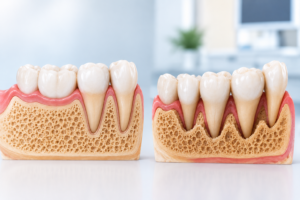
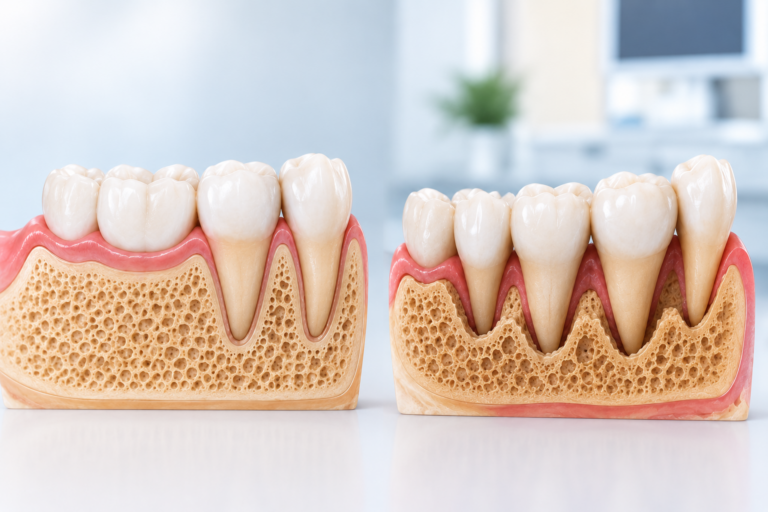
Gum recession is defined as the loss of gum tissue or the retraction of the gingival border from the tooth, which exposes the tooth’s roots. It is a common condition among adults, although symptoms can appear as early as adolescence. In a healthy mouth, gum tissue fits snugly around each tooth and protects the root structure below the visible crown. When that tissue begins to pull away, the protective covering is lost and the tooth becomes more vulnerable.
Because gum recession tends to happen gradually, patients may not immediately notice that anything has changed. The earliest changes can be subtle, such as a slight ache along the gum line or a little bleeding during brushing. Without close attention, the tissue can continue to recede for months or even years before the problem becomes obvious.
Why Early Detection Matters
The most apparent sign of gum recession is tooth root exposure, but by the time the roots are visible, the condition has already advanced. That is why the milder, earlier warnings are so important. Gum recession cannot be reversed, but treatment can prevent it from getting worse. If the condition is not treated, a patient’s risk of tooth decay and tooth loss increases. Patients are also likely to experience increased pain and sensitivity as more of the tooth root becomes exposed.
Acting early does not just preserve your smile. It also protects the supporting structures that keep your teeth stable over the long term. The sooner you identify the warning signs, the more options you have and the less aggressive the needed treatment is likely to be.
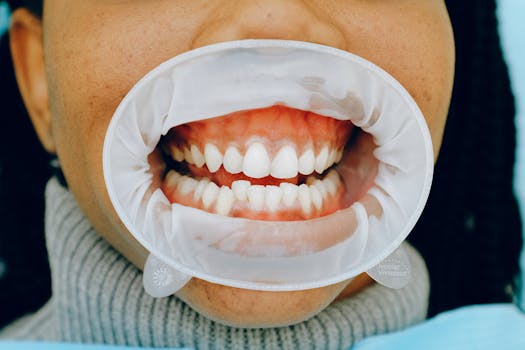
The Early Signs of Gum Recession
The early signs of gum recession are often mild at first. They may come and go, or they may seem like normal oral irritation. If you notice any of the following, it is worth paying attention rather than waiting to see if the symptoms disappear on their own.
Tender, Red, or Swollen Gums
Gums may become red, swollen, and tender. They can appear inflamed and may feel sore to the touch. In the early stages, this may feel like a minor irritation near the gum line, similar to the discomfort that can follow aggressive flossing. The key difference is that inflamed gum tissue does not settle down on its own when the cause is recession. Redness and swelling are signs that the tissue is under stress.
Bleeding After Brushing or Flossing
Bleeding after brushing or flossing is one of the most common early warnings. Healthy gums should not bleed from regular, gentle cleaning. When gum tissue begins to recede, tenderness and bleeding often follow. If your toothbrush or floss shows pink streaks, or if your gums feel sore after cleaning, this is a signal that the gum tissue is irritated and may be pulling away from the teeth.
Tooth Sensitivity to Hot or Cold Foods
Increased tooth sensitivity is frequently one of the first signs that patients notice. If hot or cold foods make your teeth ache, the cause may be gum recession rather than a cavity. As the gums pull away, the tooth roots become exposed, and exposed roots and dentine are much more sensitive to temperature changes. Sensitivity that appears suddenly, or that lingers after eating, deserves a closer look.
Teeth That Look Longer
If your teeth appear longer than they used to, your gum line is likely shrinking. This is one of the most visually obvious early changes, although it often happens so gradually that patients only notice it when looking at old photographs. Longer-looking teeth are a sign that the gum tissue has already moved, and the condition can continue if nothing is done.
A Shrinking or Uneven Gum Line
The gum line itself may start to look uneven, with notches near the base of one or more teeth. Some patients describe a visible difference in the length of neighboring teeth. A shrinking gum line is one of the clearest anatomical changes that occurs early in recession. Even if there is no pain, a change in the shape of the gum line should not be ignored.
Pain or Discomfort Near the Gum Line
Some patients experience pain or discomfort near the gum line even before visible recession is obvious. This discomfort may be mild and intermittent at first, then become more constant as the tissue continues to recede. Pain that is localized to one tooth or one section of the mouth is often a clue that the gum tissue in that area is pulling away.
Bad Breath That Does Not Resolve
Ongoing bad breath can also be a warning sign. When gum tissue recedes, it can create areas where bacteria collect and are difficult to clean. This bacterial buildup contributes to persistent bad breath even when you brush and floss regularly. If you notice bad breath along with other symptoms on this list, it may be related to gum recession.
Loose Teeth or Teeth That Appear to Separate
As gum recession progresses, it can affect the supporting structures of the teeth. Some patients notice that their teeth feel loose or that spaces are opening up between teeth that used to fit closely together. Loose or separating teeth are a more advanced sign, and they indicate that the condition requires attention soon.
A Quick Reference for Common Early Signs
| Sign | What you may notice | Why it matters |
| Tender, red, or swollen gums | Gums look inflamed and feel sore when touched | Irritation often appears before visible tissue loss |
| Bleeding gums | Pink streaks on the toothbrush or floss | Signals gum tissue is irritated and may be receding |
| Tooth sensitivity | Aching when eating hot or cold foods | Exposed roots and dentine react to temperature |
| Longer-looking teeth | More of the tooth crown is visible in the mirror | The gum line is pulling away from the teeth |
| Shrinking gum line | Uneven gum edges or notches near the tooth base | Gum tissue loss is already underway |
| Bad breath | Persistent odor despite regular brushing | Bacteria collect in areas where tissue has receded |
| Loose teeth | Teeth feel unstable or appear to separate | Supporting gum structures are being affected |
No single sign is definitive on its own. Gum recession often presents with a combination of these symptoms, and they may be limited to one tooth or spread across several areas of the mouth.
What Causes Gum Recession?
Gum recession is caused by a number of factors, and understanding the cause is an important step in deciding how to respond. Aggressive brushing is a common contributor. Brushing with too much force or using a stiff brush can wear away gum tissue over time. Smoking is another factor that has been linked to recession, as tobacco use affects blood flow and the health of oral tissues. Genetics can also play a role, which means some people are more prone to gum recession even when they take good care of their teeth.
Because several causes can be at work at the same time, treating gum recession is not simply a matter of changing one habit. A periodontal evaluation is the most reliable way to identify the contributing factors and to establish a plan that addresses them.
When to Act
If you notice any of the early signs described above, the best time to act is now. Waiting until the roots are clearly exposed or the teeth feel loose allows the condition to move into a more advanced stage. Since gum recession cannot be reversed, the goal of early care is to stop the process before more tissue is lost.
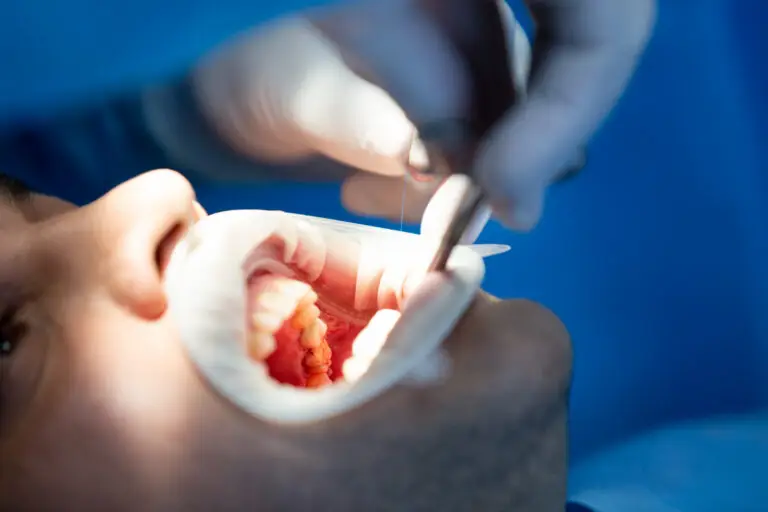
You should also pay attention to changes that appear mild. Sore gums, minor bleeding, or sensitivity that comes and goes are often brushed off as normal. But these are the very symptoms that indicate the early stages of gum recession. A periodontal appointment can determine whether your symptoms are related to recession or to another cause, and it can identify the right treatment before the condition worsens.
How Gum Recession Is Treated
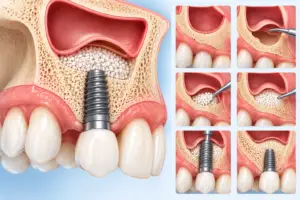
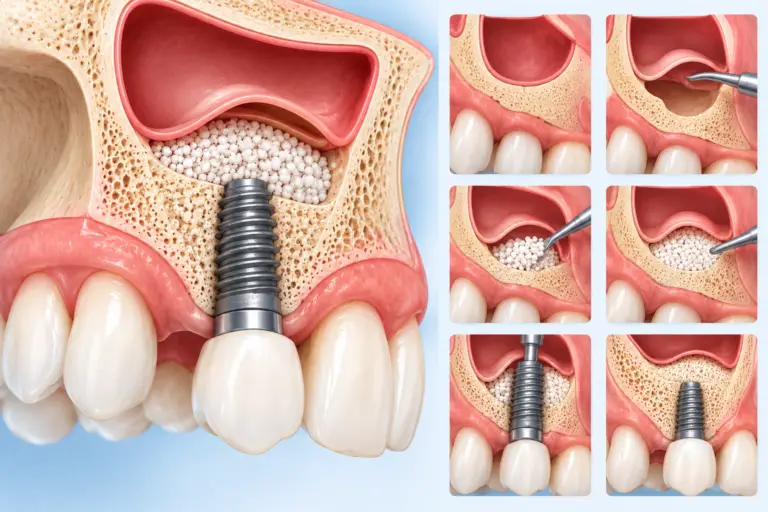
Treatment options for gum recession depend on how much tissue has been lost and what is causing the recession. Common approaches include antibiotics and antimicrobial mouth rinses to control bacteria and inflammation. In more advanced cases, surgery may be recommended to restore or protect the gum tissue. These treatments cannot reverse gum recession that has already occurred, but they can prevent it from getting worse.
The earlier the condition is caught, the more conservative the treatment can be. This is why the early signs of gum recession matter so much. Acting while the symptoms are still mild gives you the opportunity to protect your teeth and gums before decay, sensitivity, and tooth loss become serious risks.
Frequently Asked Questions
What does early gum recession feel like?
Early gum recession often feels like mild soreness or tenderness along the gum line. Gums may look red, swollen, or inflamed, and they may bleed when you brush or floss. Some people first notice sensitivity to hot or cold foods, while others simply see that their teeth look longer because the gum tissue is pulling away. The symptoms can be subtle at first.
Can gum recession be reversed?
Gum recession cannot be reversed. Once gum tissue has pulled away from the tooth, it does not grow back on its own. However, treatment can prevent the condition from getting worse. Options such as antibiotics, antimicrobial mouth rinses, and surgery are used to manage the problem and protect the teeth from further damage, so acting early gives you the best chance of a good outcome.
What happens if gum recession is left untreated?
If gum recession is left untreated, the risk of tooth decay and tooth loss increases. As more of the tooth root becomes exposed, patients are likely to experience increased pain and sensitivity. The gum tissue continues to recede gradually, which means the condition does not stabilize on its own. Seeking care early can stop the progression and reduce the chance of serious complications.
Who is at risk for gum recession?
Gum recession is caused by several factors, including aggressive brushing and smoking. Genetics can also play a role, which means some people are more prone to it even with good oral care. The condition is prevalent among adults, although symptoms can appear as early as adolescence. Knowing your risk factors helps you watch for the earliest signs and seek care sooner.