
Missing a tooth changes more than your smile. It can affect how you chew, how you speak, and how confident you feel in daily life. When you begin exploring replacement options, two approaches often come up: a single tooth implant and an implant-supported bridge. Both restore the gap and both use dental implants, but they are designed for different situations. Understanding the pros and cons of each can help you have a clearer conversation with your dental team.
Understanding the Two Tooth Replacement Options
Before comparing the two treatments, it helps to know what each one actually is. A single tooth implant is a freestanding replacement that addresses both the root and the crown of a missing tooth. An implant-supported bridge, on the other hand, is designed to fill a gap of two or more consecutive missing teeth using implants as anchors. The two options share some technology, but their goals and treatment plans are different.
What Is a Single Tooth Implant?
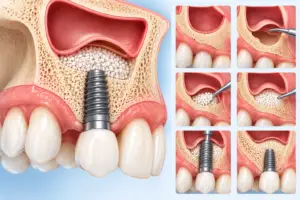
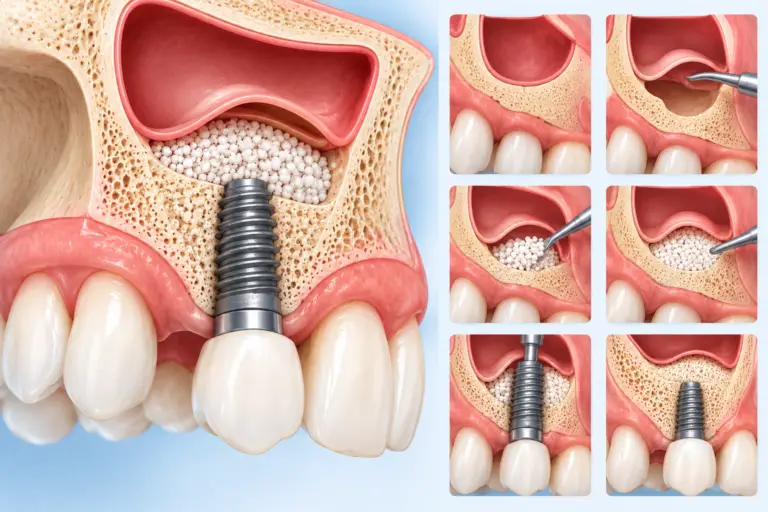
A single tooth implant replaces the root and crown independently. The implant itself is placed into the jawbone to act as the root, and a crown is attached on top to function as the visible tooth. Because it is freestanding, it does not rely on neighboring teeth for support. This makes it an especially attractive option when the teeth next to the gap are healthy and you want to leave them completely untouched.
What Is an Implant-Supported Bridge?
An implant-supported bridge is used when you are missing two or more consecutive teeth. Instead of using your natural teeth as the anchoring points, the bridge is supported by dental implants placed in the jawbone. This design combines the efficient coverage of a bridge with the secure foundation of implants, and it is generally considered the better choice when multiple teeth in a row are missing.
Pros and Cons of a Single Tooth Implant
A single tooth implant is one of the most studied options in modern tooth replacement. For a single missing tooth, it offers a combination of function, appearance, and longevity that many patients find appealing. Still, it comes with trade-offs that are worth weighing carefully.
Pros of a Single Tooth Implant
- Freestanding design that does not depend on adjacent teeth
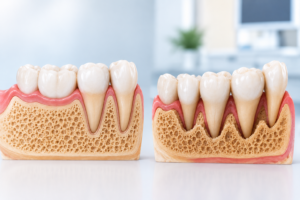
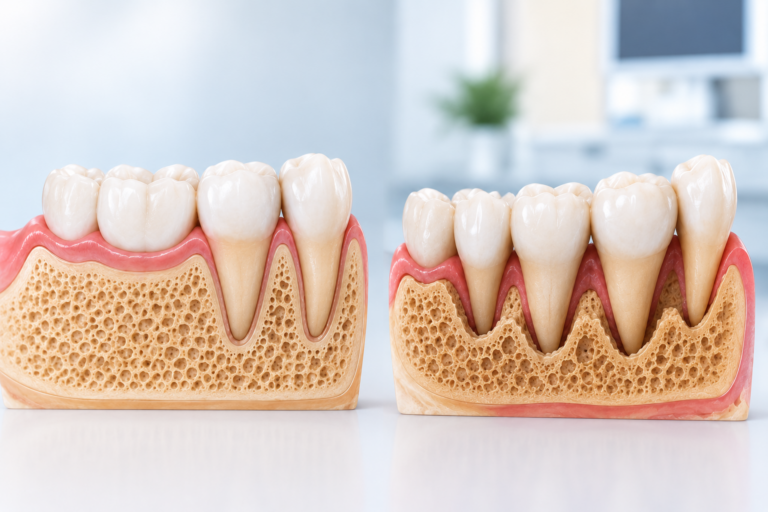
- Helps preserve the jawbone over time
- Preserves the integrity of healthy teeth next to the gap
- Often offers superior longevity compared with bridges
- Provides a natural-looking result
- Replaces both the root and the crown independently
The freestanding nature of a single tooth implant is a significant advantage. Because it does not use neighboring teeth for support, those teeth are not modified or ground down. Research has long noted that implants preserve the integrity of sound teeth adjacent to the missing area, which is a key reason dentists often prefer them when the surrounding teeth are healthy.
Bone preservation is another major benefit. The implant sits in the jawbone and provides stimulation similar to a natural root, which helps maintain the bone in that area. And for patients who want a long-term solution, the superior longevity of a single tooth implant is often the deciding factor.
Cons of a Single Tooth Implant
- Placement requires a surgical procedure
- Treatment generally takes longer than a bridge
A dental implant requires surgery to place the implant in the jawbone, and the full process can take longer because the bone needs time to heal around the implant before the crown is attached. Patients looking for a faster treatment option may find the longer healing period an important consideration.

Pros and Cons of an Implant-Supported Bridge
An implant-supported bridge is a practical solution when the gap is too wide for a single implant. It restores the area efficiently and avoids the need to place a separate implant for every missing tooth, which is a meaningful advantage for patients with multiple consecutive gaps.
Pros of an Implant-Supported Bridge
- Efficiently restores a gap of two or more missing teeth
- Offers strong stability from implant support
- Provides a natural-looking appearance
- Helps maintain the jawbone
- Avoids the need for one implant per missing tooth
The stability of an implant-supported bridge is one of its strongest qualities. Because the bridge is anchored to implants in the bone rather than to natural teeth, it feels secure during chewing and speaking. The appearance is also a highlight, since modern bridges can be designed to blend in with the surrounding teeth.
Jawbone maintenance is another important benefit. Like single tooth implants, the implants that support this type of bridge stimulate the bone and help preserve it over time. That sets it apart from traditional bridges, which address the crown portion of the tooth but do not replace the root or provide the same bone stimulation.
Cons of an Implant-Supported Bridge
- Placement of the implants is a surgical procedure
- Less ideal when only one tooth is missing
The main drawback is that this option still requires surgery to place the implants. It is also not the right fit for every patient. If you are missing just a single tooth, a single tooth implant is the more straightforward and appropriate solution. The implant-supported bridge only becomes the better option when multiple consecutive teeth are missing.
Cost and Longevity: How the Options Compare
Cost and longevity are important factors to consider when comparing a dental bridge with a single-tooth implant. However, the overall cost and lifespan can vary based on your oral health, treatment needs, materials, and the specific restoration recommended by your dental provider.
| Option | Cost Considerations | Longevity |
|---|---|---|
| Dental bridge | Costs vary based on the type of bridge and materials used | Can provide long-term tooth replacement with proper care |
| Single-tooth implant | May involve multiple stages of treatment | Designed to provide a durable, long-term solution |
While a bridge may involve a simpler treatment process, a single-tooth implant replaces the missing tooth root and provides a stable foundation for the restoration. Your dentist or periodontist can evaluate your oral health and explain which option is better suited to your needs.
Choosing the Right Option for Your Situation
There is no single solution that works for everyone. The right choice depends on the number of missing teeth, the condition of your remaining teeth, your oral health, and your treatment goals.
If You Are Missing One Tooth
A single-tooth implant can be a suitable option when you are missing one tooth. It is independently supported and can help preserve the surrounding bone without requiring the neighboring healthy teeth to support the restoration.
If You Are Missing Two or More Consecutive Teeth
When two or more adjacent teeth are missing, an implant-supported bridge may be an option. It can replace multiple missing teeth using implant support while providing stability and function.
If You Want to Protect Healthy Adjacent Teeth
For patients with healthy teeth beside a missing tooth, an implant can help avoid using those teeth as supports. Unlike a traditional bridge, a single-tooth implant is independently anchored in the jaw, allowing the neighboring teeth to remain intact.