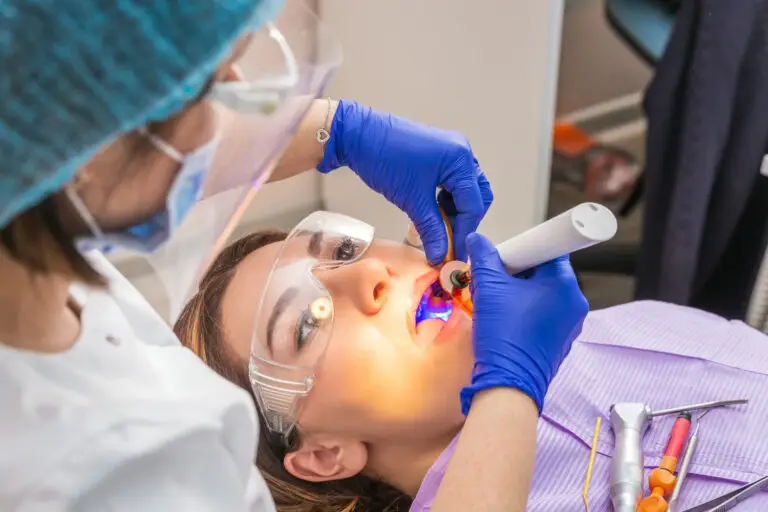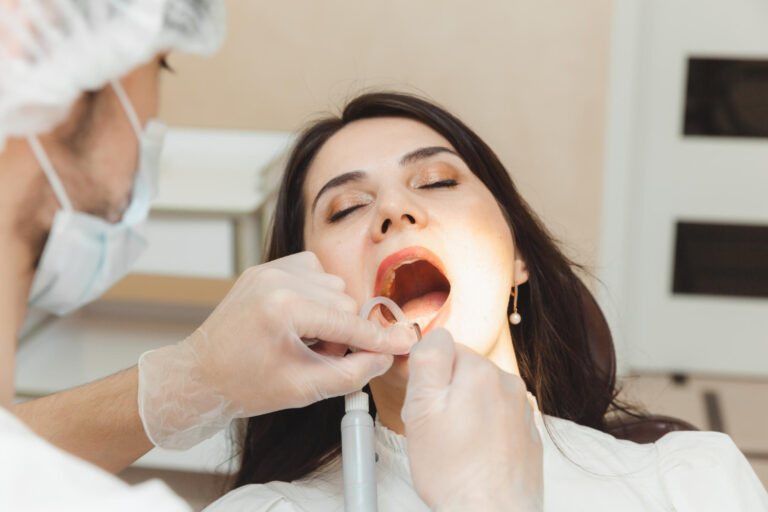
A dental implant is only as stable as the bone that surrounds it. When a tooth is lost, the jawbone in that area begins to shrink, and the ridge that once supported the tooth slowly flattens. By the time a patient is ready for an implant, there may not be enough bone left to hold one securely. Bone regeneration treatment in Reading, PA addresses that problem directly by rebuilding the foundation before the implant is placed.
Keystone Periodontal Group is a periodontal practice in Reading, PA offering gum care, dental implants, and cosmetic procedures, with a boutique, patient-focused approach from a female-owned team. Bone regeneration sits at the intersection of those services, because it is usually the step that makes implant placement possible in the first place.
Why the Jawbone Matters When You Plan for Dental Implants
Natural tooth roots stimulate the bone around them every time you chew. That stimulation keeps the bone dense and tall. When a tooth is removed or lost, the stimulation stops, and the body responds by resorbing bone that no longer seems necessary. The change can be noticeable within months and continues over time.
An implant is a titanium post that fuses with living bone through a process called osseointegration. That fusion depends on having enough bone volume and quality. If the ridge is too thin, too short, or too soft, the implant may be unstable, may sit at an awkward angle, or may not be possible at all without first rebuilding the site.
This is also why timing matters. According to the practice’s own recovery guidance, gum tissue heals relatively quickly while the underlying bone takes much longer, and full healing of the jawbone can take three to six months. Planning bone regeneration early, ideally around the time of extraction, often reduces how much rebuilding is needed later.
What Bone Regeneration Treatment Actually Does
Bone regeneration is a regenerative approach, meaning it supports the body’s natural healing process rather than simply managing the surface problem. The goal is to give the jaw the structure and space it needs to lay down new bone in an area where it has been lost.
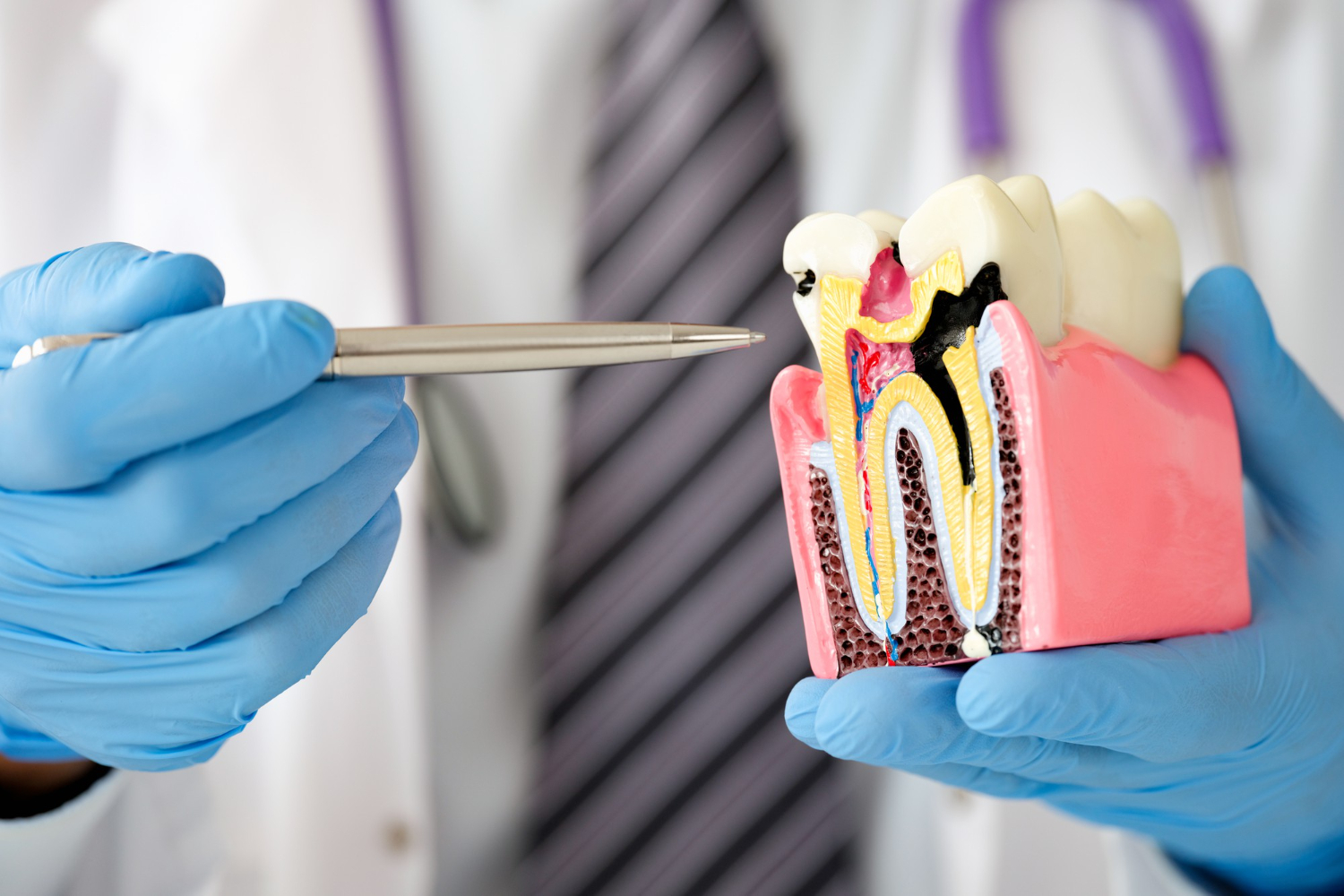
In practice, a clinician places grafting material into the deficient site. That material acts as a scaffold, holding space and giving the body a framework to build on. In many cases a barrier membrane is placed over the graft to keep soft tissue from growing into the space where bone should form. Over the following months, the graft is gradually replaced or integrated as new bone develops.
The result is a ridge that can accept an implant, or an implant site that can heal more predictably. Bone regeneration can be performed at the time of an extraction, as a separate procedure before implant placement, or alongside implant surgery when a small deficiency needs to be corrected.
Two Common Approaches to Rebuilding Jawbone
Not every case calls for the same technique. Two widely employed methods are ridge preservation, also called socket grafting, and guided bone regeneration.
Ridge Preservation and Socket Grafting
Ridge preservation is typically done at the moment of tooth removal. Grafting material is placed into the empty socket to limit the collapse of bone that normally follows an extraction. The idea is to preserve as much of the existing ridge as possible rather than rebuild from scratch later.
This approach is common when a patient knows an implant will be needed but wants to heal first, or when the extraction site is in a visible area where ridge contour matters. Preserving the socket early often simplifies the implant appointment considerably.
Guided Bone Regeneration
Guided bone regeneration is used when bone is already missing and needs to be rebuilt. A graft is placed over or into the deficient area, and a membrane is positioned to protect the site while new bone forms underneath. This technique can address horizontal width loss, vertical height loss, or a combination of both.
Guided bone regeneration is frequently combined with other procedures. A documented case report in the clinical literature describes multidisciplinary treatment involving bone regeneration, soft tissue grafting, and orthodontic tooth movement working together in the same patient. That kind of coordination is common when both hard and soft tissues need attention around a future implant.
What Causes Jawbone Loss in the First Place
Several situations lead patients to seek bone regeneration, and understanding the cause helps set realistic expectations for treatment.
- Tooth extraction, especially when the socket is left ungrafted
- Advanced periodontal disease, which damages the bone that supports teeth
- Long-term missing teeth, where the ridge has had years to resorb
- Trauma or injury to the jaw
- Infection around a tooth that has eroded surrounding bone
- Ill-fitting dentures that place chronic pressure on the ridge
Because periodontal disease is one of the most common drivers of bone loss, it is often addressed at the same time as regeneration. Rebuilding bone in an area where active gum disease continues would put the new graft at risk, so controlling the disease first is usually part of the plan.
How Long Bone Regeneration Takes
Bone does not rebuild on a convenient schedule. The practice’s recovery guidance notes that the jawbone can take three to six months to heal fully, which is considerably longer than the soft tissue above it. That timeline shapes the entire implant plan.
In many cases, the implant is placed after the graft has had time to mature. In other cases, a clinician may place the implant at the same time as the graft and allow both to heal together. The decision depends on how much bone was missing, how stable the implant will be, and whether the site needs to support a temporary restoration.
| Stage | What Typically Happens |
|---|---|
| Graft placement | Grafting material and, when needed, a membrane are positioned in the deficient site. |
| Early healing | Soft tissue closes over the site while the graft is stabilized. |
| Bone maturation | New bone develops through and around the graft over several months. |
| Implant placement | The implant is placed once the ridge can support it predictably. |
Preparing for Bone Regeneration Treatment
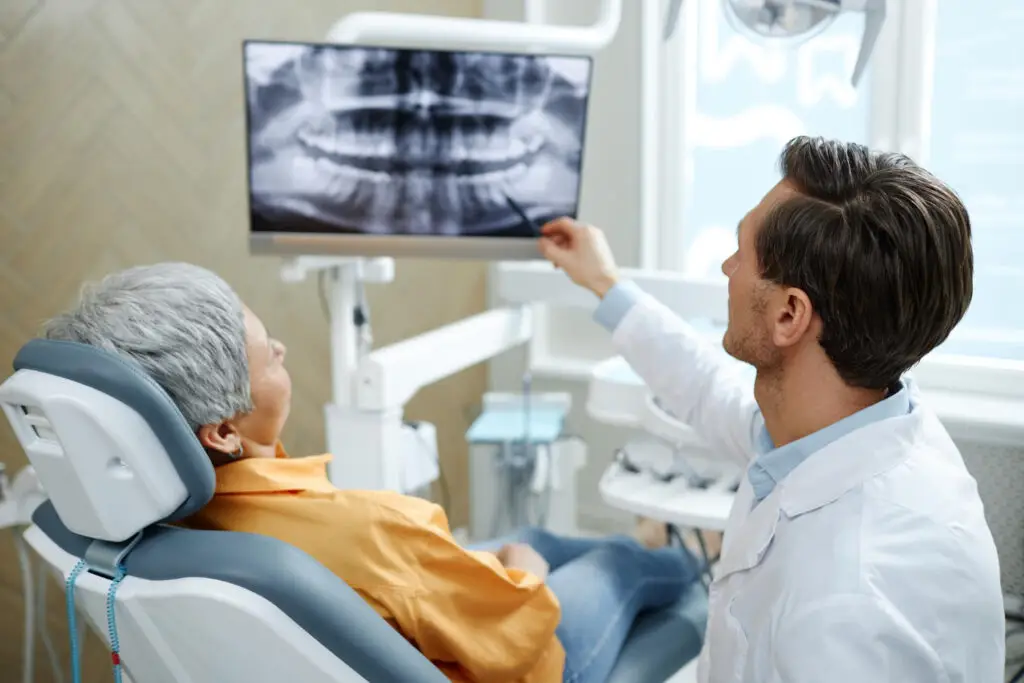
Preparation starts with a thorough evaluation. A clinician reviews your health history, examines the gum tissue, and uses imaging to measure how much bone is present and where it is missing. That information determines which technique is appropriate and whether any other treatment, such as periodontal therapy or a soft tissue graft, should come first.
Medications and health conditions that affect healing are part of the conversation. So is smoking, which interferes with blood flow and can compromise a graft. Patients are usually given specific instructions about eating, oral hygiene around the site, and activity levels in the days after the procedure.
What Recovery Looks Like
Most patients describe the days after bone regeneration as similar to recovery from an extraction. Swelling and tenderness are expected, and they typically ease over the first week. The practice’s recovery guidance for extractions covers practical steps such as protecting the clot, avoiding strenuous activity early on, and choosing soft foods while the site settles.
The visible healing is only part of the story. The site may look and feel normal long before the bone underneath has finished maturing. That gap is why follow-up imaging matters. It confirms whether the graft has integrated well enough to move forward with an implant.
Patients should plan on several months between grafting and implant placement in many cases. That wait is not a delay in care. It is the period during which the foundation is actually being built.
Combining Bone Regeneration With Other Treatments
Bone is rarely the only tissue that needs attention. Gum recession, thin soft tissue, or an uneven gum line can all affect how an implant restoration looks and how well it holds up. Soft tissue grafting is sometimes performed in addition to bone regeneration so that the final result has both a solid foundation and adequate coverage.
Restoring a single tooth in a visible part of the smile can involve several coordinated steps. The clinical literature includes cases where hard tissue regeneration, soft tissue grafting, and tooth movement were combined to rebuild both the bone and the gum contours around a compromised site. Coordinating those steps from the beginning usually produces a more predictable outcome than treating each problem in isolation.
Why See a Periodontal Specialist in Reading, PA
Bone regeneration involves surgery on the structures that support teeth, which places it squarely within periodontal expertise. A specialist evaluates the gum tissue, the bone, and the bite together and can move between procedures when a case requires more than one.
Keystone Periodontal Group provides that care in Reading, PA with a patient-focused approach from a female-owned team. Because the practice handles gum care, implants, and cosmetic procedures, patients can move through regeneration, implant placement, and the finishing details without being referred from office to office. That continuity tends to make the timeline easier to understand and the outcome easier to predict.
If you have been told you need an implant but do not have enough bone, or if you are facing an extraction and want to protect the ridge from the start, a consultation is the logical first step. Imaging and an exam will show exactly what is present, what is missing, and how much rebuilding the site needs.
Frequently Asked Questions
Is bone regeneration treatment painful?
Most patients report discomfort similar to what follows a tooth extraction. Swelling and soreness are common in the first few days and usually ease within a week. The area is numbed during the procedure itself. Your clinician will provide instructions for managing discomfort at home.
How long after bone grafting can I get an implant?
It depends on how much bone was missing and how well the graft integrates. Jawbone healing can take three to six months, so many patients wait several months before implant placement. Some cases allow the graft and implant to be placed together. Follow-up imaging confirms when the site is ready.
Can I skip bone regeneration and still get an implant?
Sometimes, if enough bone remains. When the ridge is deficient, placing an implant without grafting risks instability and poor long-term results. A periodontal evaluation with imaging will show whether the bone volume in your case is sufficient or whether regeneration should come first.
Does gum disease affect bone regeneration results?
Yes. Active periodontal disease damages the bone that supports teeth and can compromise a graft. Most treatment plans address the disease first so the graft has a stable, healthy environment. Once inflammation is controlled, rebuilding the ridge becomes more predictable.
Are there alternatives if I do not want surgery?
Alternatives such as bridges or dentures can replace missing teeth without placing an implant, though they do not restore bone stimulation the way an implant does. Your clinician can review the tradeoffs for your situation and explain what each option means for the ridge over time.